
A Holistic Approach to Sustainable Weight Loss: What Works and Why
Discover sustainable weight loss strategies with effective diet plans, understanding calorie deficit, and making informed choices for long-term health success.
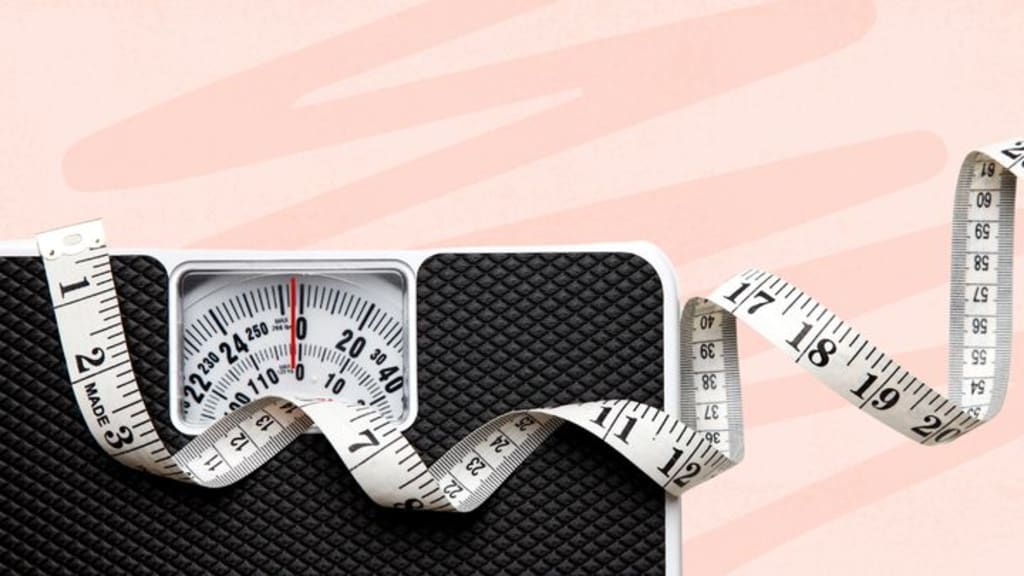
When it comes to weight loss, the internet is flooded with a plethora of advice, tips, and fad diets. However, sustainable weight loss is not about quick fixes; it's about making informed choices that align with your body's needs. The journey to weight loss is not a one-size-fits-all approach. Understanding the science behind how your body works and choosing the right diet plan can make all the difference in achieving long-term success.
The Science of Weight Loss
At its core, weight loss is about creating a calorie deficit—burning more calories than you consume. However, not all calories are created equal, and the types of food you consume can have different effects on your body. For instance, foods high in protein can boost metabolism, reduce appetite, and promote muscle growth, while foods high in refined sugars can lead to insulin resistance and fat storage.
To lose weight effectively, it's essential to focus on nutrient-dense foods that keep you full and satisfied while providing the necessary vitamins and minerals your body needs. A diet high in lean proteins, complex carbohydrates, and healthy fats can help you achieve your weight loss goals without feeling deprived.
Popular Diet Plans That Work
There are countless diet plans available, but not all of them are sustainable or healthy in the long term. Here are some of the most popular and effective diet plans that have been shown to help with weight loss:
The Mediterranean Diet
The Mediterranean diet is not just a diet but a lifestyle. It emphasizes whole, unprocessed foods like fruits, vegetables, whole grains, legumes, and healthy fats like olive oil. This diet is rich in antioxidants and anti-inflammatory compounds, which can help prevent chronic diseases while promoting weight loss. The Mediterranean diet is also flexible, allowing you to enjoy a variety of foods without feeling restricted.
The DASH Diet
The Dietary Approaches to Stop Hypertension (DASH) diet is designed to lower blood pressure but is also effective for weight loss. It emphasizes fruits, vegetables, whole grains, and lean proteins while limiting salt, sugar, and unhealthy fats. The DASH diet is balanced and nutrient-rich, making it a sustainable option for long-term weight loss and overall health improvement.
Intermittent Fasting
Intermittent fasting is not a diet but an eating pattern that alternates between periods of eating and fasting. There are various methods, such as the 16/8 method, where you fast for 16 hours and eat during an 8-hour window. Intermittent fasting can help reduce calorie intake, improve metabolic health, and promote fat loss without the need to count calories or restrict certain foods.
Plant-Based Diets
Plant-based diets focus on foods derived from plants, including fruits, vegetables, nuts, seeds, oils, whole grains, legumes, and beans. This diet is high in fiber, which can help you feel full longer and reduce calorie intake. Plant-based diets are also rich in vitamins, minerals, and antioxidants, making them a healthy choice for weight loss and overall well-being.
The Keto Diet
The ketogenic diet is a low-carb, high-fat diet that shifts your body into a state of ketosis, where it burns fat for fuel instead of carbohydrates. This diet can lead to rapid weight loss, especially in the initial stages, but it requires careful planning and monitoring to avoid nutrient deficiencies. The keto diet is best suited for those who enjoy high-fat foods and can stick to the strict carbohydrate restrictions.
The MIND Diet
The MIND diet is a hybrid of the Mediterranean and DASH diets, focusing on brain-healthy foods to reduce the risk of cognitive decline. It emphasizes leafy greens, berries, nuts, whole grains, and lean proteins while limiting red meat, butter, and sweets. While the MIND diet is designed for brain health, it also promotes weight loss by encouraging the consumption of nutrient-dense, low-calorie foods.
WW (Weight Watchers) Diet
The WW (formerly Weight Watchers) diet is a flexible plan that assigns points to foods based on their nutritional value. You can eat whatever you want as long as you stay within your daily points allowance. The WW diet encourages healthy eating habits, portion control, and regular physical activity, making it a practical and sustainable option for weight loss.
Choosing the Right Diet for You
With so many diet plans available, choosing the one that fits your lifestyle and preferences is crucial. A diet that is too restrictive or difficult to follow is unlikely to be successful in the long term. Before starting any diet plan, it's essential to consult with a healthcare professional to ensure it meets your nutritional needs and aligns with your health goals.
Additionally, weight loss is not just about diet; it's about making lifestyle changes that support your overall well-being. Regular physical activity, adequate sleep, stress management, and staying hydrated are all important factors in achieving and maintaining a healthy weight.
Final Thoughts
Sustainable weight loss is achievable with the right approach. By focusing on nutrient-dense foods, creating a calorie deficit, and choosing a diet plan that fits your lifestyle, you can lose weight and keep it off long-term. Remember, there is no one-size-fits-all solution to weight loss, and what works for one person may not work for another. Be patient with yourself, make gradual changes, and focus on building healthy habits that will last a lifetime.
For more tips on healthy living and weight management, check out GetKuwa.com, where you can find a variety of products and resources to support your wellness journey.
About the Creator
Keep reading
More stories from sahmed shaikh and writers in Blush and other communities.
Common Himalayan Shilajit Myths in the UAE – Busted by Facts!
Shilajit, a powerful and mineral-rich substance found in the higher Himalayan terrains, is well-known for its numerous health benefits. With its growing popularity, especially in regions like the UAE, a number of myths have emerged, often overshadowing its true potential. Today, we’re here to bust some of the most common myths surrounding this potent substance and reveal the facts you need to know.
By sahmed shaikh2 years ago in Blush
Safe & Hygienic Brows in Atlanta: What Clients Should Know
Getting permanent brows can be a life-changing beauty decision. Whether you choose combination brows, microblading, or ombré powder brows, safety and hygiene must be your priority. This is because these procedures that involve depositing pigment into the skin, genuine sanitation, and professional standards are needed to protect your health and achieve the best results.
By Milla Rosen8 days ago in Blush




Comments
There are no comments for this story
Be the first to respond and start the conversation.