
4 Effective Tips on How to Treat Adult Acne
Getting the Perfect Face

Many people are unaware that **adult acne** is a common condition that can affect individuals well beyond their teenage years. The widespread misconception that acne only occurs during adolescence often leads adults to feel confused or even embarrassed when breakouts continue or return later in life. While acne is indeed most prevalent during the teenage years due to hormonal changes, it can also persist—or even begin—for the first time in adulthood.
In fact, a significant number of adults, particularly women, continue to experience acne well into their 30s, 40s, and beyond. Adult acne may result from a range of causes, including hormonal imbalances, stress, diet, genetics, environmental factors, and the use of comedogenic skincare or cosmetic products.
It is also worth noting that the skin of an adult is fundamentally different from that of a teenager. Adult skin tends to be drier and less resilient, so treatments that may have worked in the past may no longer be appropriate. With that in mind, here are four essential tips to help treat adult acne effectively and safely.
1. Choose the Right Over-the-Counter (OTC) Acne Treatment
Start by selecting a reputable over-the-counter acne treatment product. These products are typically effective for mild breakouts and can often be purchased at local pharmacies. Look for ingredients such as **benzoyl peroxide**, **salicylic acid**, or **retinoids**, which are known to target acne-causing bacteria, exfoliate the skin, and promote cell turnover.
However, it is crucial to be cautious when choosing products. Some may contain harsh ingredients that can irritate or dry out adult skin. If you are unsure about which product to use, consult a dermatologist who can recommend a treatment tailored to your skin type and acne severity. Alternatively, seek advice from trusted friends or family members who have dealt with similar issues. Conducting your own research—by reading product reviews or reviewing clinical recommendations—can also guide you toward a safe and effective solution.
2. Consider Professional Cosmetic Procedures for Severe Acne
For moderate to severe acne, or if OTC treatments are ineffective, professional cosmetic procedures performed by a licensed dermatologist may offer better results. Procedures such as **microdermabrasion**, **chemical peels**, and **laser resurfacing** can significantly reduce acne and improve overall skin texture.
Microdermabrasion exfoliates the skin’s surface, removing dead skin cells and unclogging pores, while laser treatments can target deeper layers of the skin to reduce inflammation and stimulate collagen production. It is essential to undergo these procedures in a reputable dermatology clinic to ensure hygiene, safety, and effectiveness. Always verify the qualifications of the practitioners and the cleanliness of the equipment used.
3. Avoid Squeezing or Popping Pimples
One of the most important—and often ignored—tips for treating adult acne is to **resist the urge to squeeze or pop pimples**. Although it may seem like a quick fix, this habit can worsen the problem by pushing bacteria and pus deeper into the skin, increasing inflammation, and leading to scarring or hyperpigmentation.
Instead of picking at your skin, allow blemishes to heal naturally or apply topical treatments to reduce swelling and speed up the healing process. If a pimple becomes painful or particularly stubborn, consult a dermatologist for professional extraction.
4. Maintain a Healthy Diet and Lifestyle
Your lifestyle choices can significantly influence your skin health. Eating a balanced diet rich in **fruits, vegetables, whole grains, and lean proteins** can help your body manage inflammation and regulate hormone levels. In particular, foods high in antioxidants and omega-3 fatty acids support skin regeneration and may reduce acne flare-ups.
Hydration is equally important. Drinking at least eight glasses of water a day helps flush toxins from your body and keeps your skin hydrated, which is essential for healing and maintaining elasticity.
Additionally, ensure that you get adequate sleep and manage stress effectively. Chronic stress can trigger hormonal fluctuations that exacerbate acne. Aim for at least **seven to eight hours of sleep** per night, and consider stress-reducing practices such as exercise, meditation, or journaling to support both your mental and dermatological health.
Final Thoughts
While adult acne can be frustrating, it is a manageable condition. By using appropriate over-the-counter treatments, considering professional dermatologic procedures when necessary, avoiding habits that can worsen acne, and maintaining a healthy lifestyle, you can significantly reduce breakouts and improve your skin’s overall appearance.
Remember, results may take time, and what works for one person may not work for another. Be patient, and do not hesitate to consult a healthcare professional for personalized advice. With consistency and proper care, clearer and healthier skin is well within reach.
About the Creator
LaMarion Ziegler
Creative freelance writer with a passion for crafting engaging stories across diverse niches. From lifestyle to tech, I bring ideas to life with clarity and creativity. Let's tell your story together!
Keep reading
More stories from LaMarion Ziegler and writers in Blush and other communities.
Online Dating
Once upon a time, people generally met their future spouses when they were in high school. Then came the advent of the practically mandatory four-year college degree and people began putting off marriage until later... and later... and later. Now it isn’t uncommon for people to wait until they’re in their early thirties to get married, if they marry at all. Unfortunately, it is a lot harder to meet people when you aren’t going out to football games and rec-room parties, so... enter the glorious age of online dating.
By LaMarion ZieglerExclusive • 8 months ago
Magazine Dreams: A Powerful Psychological Drama About Obsession, Identity, and the Pursuit of Recognition
In recent years, psychological character studies have become an important part of modern cinema. Films that focus on the inner struggles of individuals often reveal more about human nature than traditional narratives centered on action or spectacle. One such film is Magazine Dreams, a psychological drama written and directed by Elijah Bynum.
By Backlinks Cart7 days ago in Blush
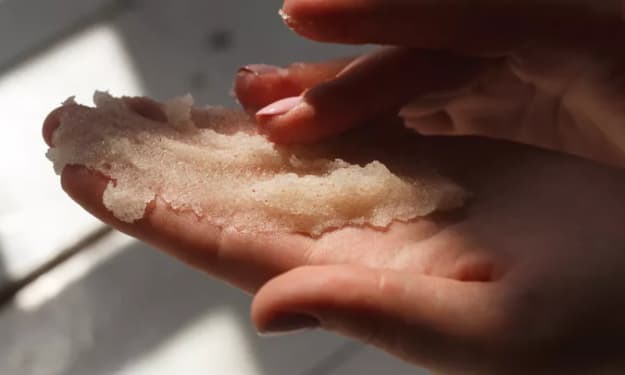
How to Use a Sugar Scrub the Right Way for Softer, Smoother Skin
In This Article ✅What Is a Sugar Scrub? ✅How to Properly Use a Sugar Scrub Your shower routine probably has all the basics covered: shampoo, conditioner, and sudsy body wash. But a fourth addition to this regimen—a good old fashioned sugar scrub—can make all the difference both in terms of your skin’s hydration and overall glow factor. With insights from a seasoned skincare pro, we’re diving into what sugar scrubs are and why they’re an absolute shower must, plus a quick rundown on how to properly use a sugar scrub.
By Good health to everyone6 days ago in Blush
TUS NUA - ch 53
TUS NUA – ch 53 New Beginnings – Mia and Midnight (*)(*)(*) Finola knew Ali’s brother-in-law needed to put his mind at rest. She fed her arm through his and led him outside. “We’ll sit here. If you like, I can put a block around us so our conversation will be private.”
By Margaret Brennan7 days ago in Fiction



Comments
There are no comments for this story
Be the first to respond and start the conversation.