
Why the “80s and 90s Are Back
Why the “80s and 90s Are Back: How Retro Pop Culture Is Shaping 2024 Marketing Strategies
Why the “80s and 90s Are Back: How Retro Pop Culture Is Shaping 2024 Marketing Strategies
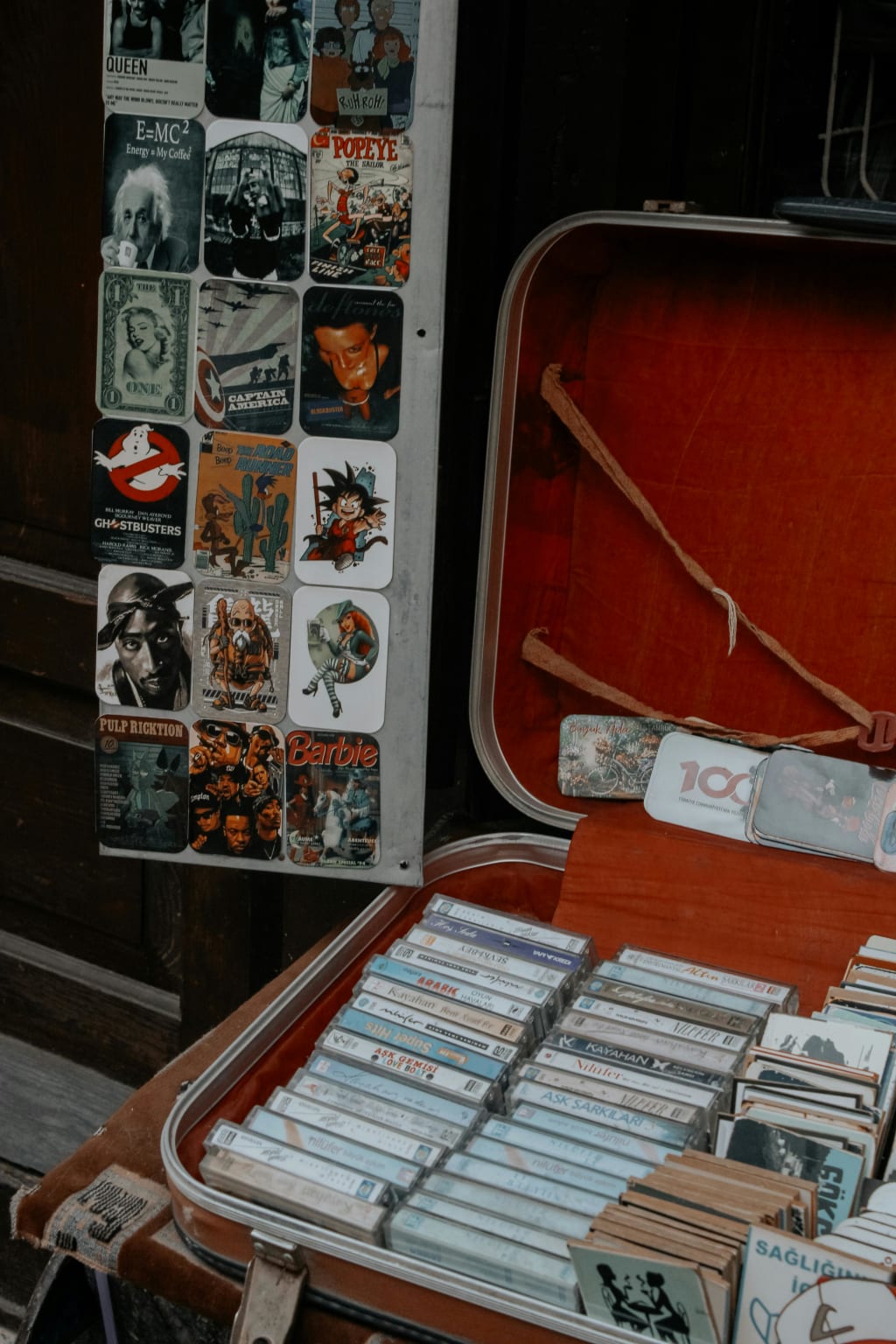
In the ever-evolving landscape of marketing, one trend has emerged with undeniable power: the resurgence of 80s and 90s pop culture. What was once a nostalgic trip down memory lane for a few is now a central theme in marketing strategies for 2024. From fashion to entertainment, technology to music, and everything in between, these iconic decades have become a touchstone for brands looking to engage with both Gen Z and millennials—audiences that may not have lived through these eras but are undeniably drawn to their influence.
But why is retro pop culture making such a huge comeback in 2024? And how can you tap into this cultural wave to boost your brand’s marketing efforts?
In this article, we’ll explore how the 80s and 90s are shaping brand marketing today, why they resonate so strongly with audiences, and offer tips on how you can use retro pop culture to create memorable, impactful campaigns.
1. The Nostalgic Power of 80s and 90s Pop Culture
The power of nostalgia is rooted in emotion. For millennials, the 80s and 90s represent a time of their childhood and early adolescence—when life was simpler, and the world felt full of possibility. For Gen Z, these decades have become the cool, retro period they admire and are discovering through streaming platforms, social media, and vintage fashion. In both cases, these cultural touchstones evoke strong emotional responses, and that’s where the marketing magic happens.
The 80s brought us a revolution in music, fashion, and technology, while the 90s saw the rise of the internet, the proliferation of iconic TV shows, and the birth of the “grunge” aesthetic. These cultural movements have become shorthand for “fun,” “rebellion,” “individuality,” and “nostalgia”—emotions that brands can tap into for a more authentic connection with their audiences.
Real-Life Example:
In 2024, Nike launched a limited-edition “Throwback Pack,” which featured sneakers inspired by classic 90s streetwear trends. From neon colors to bold designs reminiscent of the early days of hip hop and skate culture, this collection attracted attention not just from sneakerheads but from an entire generation nostalgic for the fashion of their youth. The line quickly sold out, and Nike's social media feeds were flooded with posts from fans eager to relive their 90s memories.
2. Pop Culture Influences on Fashion and Music
Fashion and music from the 80s and 90s are particularly influential in 2024. These eras are known for their distinctive styles: think oversized jackets, neon colors, chunky sneakers, and acid-wash jeans from the 80s, or flannel shirts, denim overalls, and Doc Martens from the 90s. For music, it’s the era of rock, pop, and the early stages of hip-hop and EDM, with artists like Madonna, Nirvana, Tupac, and the Backstreet Boys creating soundtracks that defined youth culture.
For brands, aligning themselves with these iconic fashion and music trends can be a goldmine. Whether through collaborations, product releases, or visual branding, these elements connect deeply with consumers’ senses of identity and memories.
Real-Life Example:
H&M has tapped into 80s and 90s nostalgia multiple times in recent years, including their 2024 “Retro Collection,” which blends modern cuts with throwback styles. The collection includes graphic tees emblazoned with vintage logos and slogans from 90s pop culture icons like Friends, The Fresh Prince of Bel-Air, and the X-Files. This collection sold out quickly, showing how powerful retro pop culture is when integrated into fashion marketing.
Similarly, the resurgence of 90s boy bands like Backstreet Boys and NSYNC has led to a resurgence of music-based marketing. Brands like Coca-Cola and Pepsi have capitalized on this trend by featuring 90s music nostalgia in ads and sponsoring concerts, tapping into the shared memories of a generation that grew up with those iconic tunes.
SEO Focus:
Search terms like "retro fashion 2024," "90s music nostalgia," and "80s inspired marketing campaigns" are becoming more popular as brands recognize the power of fashion and music in today’s marketing strategies.
3. Retro TV and Film Nostalgia as a Marketing Tool
Movies and TV shows from the 80s and 90s also hold immense marketing potential. From reboots and remakes to merchandise and memorabilia, the 80s and 90s remain a fertile ground for content creators and brands alike. Iconic TV shows like Friends, saved by the Bell, The Fresh Prince of Bel-Air, and films like The Goonies, back to the Future, and Ghostbusters have seen a resurgence in popularity, both in original form and through new adaptations.
This isn’t just about creating a new season or reboot; it’s about tapping into the cultural significance these shows and movies still hold. Brands can collaborate with these entertainment properties to create limited-edition products or leverage nostalgic references in advertising campaigns.
Real-Life Example:
Netflix has heavily capitalized on 80s and 90s nostalgia, both through original content like Stranger Things (which is set in the 80s) and by bringing back classic shows and movies through their streaming service. In 2024, they launched a major promotional campaign around the 80s classic The Karate Kid, which featured a branded collaboration with Pepsi. This campaign included retro-inspired packaging and in-store events where fans could relive their favorite scenes from the movie while enjoying their favorite sodas.
For marketers, the value in referencing popular films and TV shows from the 80s and 90s lies in creating a sense of cultural relevance. When done right, it sparks excitement and nostalgia, encouraging fans to engage with the brand.
4. TikTok and Instagram’s Role in Bringing Retro Back
Social media platforms like TikTok and Instagram have accelerated the revival of retro pop culture. On TikTok, viral trends often involve recreating or reinterpreting classic dance moves, fashion, and memes from the 80s and 90s. Instagram’s "throwback" posts and hashtag challenges are a great way for brands to get involved in the cultural conversation. Whether it’s sharing retro-themed content or leveraging influencers who specialize in 80s/90s aesthetics, these platforms are perfect for tapping into the viral potential of retro culture.
Brands that use these platforms creatively—whether through user-generated content, influencer partnerships, or nostalgic challenges—are able to align with their audiences in ways that feel organic and fun.
Real-Life Example:
In 2024, American Eagle launched a “#90sVibes” challenge on TikTok where users could recreate their favorite 90s fashion looks and post them with the hashtag. The campaign was successful not just because it tapped into a deep cultural trend but also because it encouraged user participation and engagement, driving both brand awareness and sales.
SEO Focus:
Search terms like "TikTok retro challenges," "Instagram nostalgia marketing," and "viral 90s trends" are on the rise as social media becomes a major platform for nostalgia-driven campaigns.
5. How to Leverage 80s and 90s Pop Culture for Your Brand
If you’re looking to implement 80s and 90s pop culture in your marketing strategy for 2024, here’s how you can do it effectively:
Know Your Audience: Determine which elements of 80s or 90s culture resonate most with your audience. What TV shows, movies, or music from these decades are they nostalgic about? Use that insight to craft your marketing messages.
Collaborate with Retro Brands or Properties: Look for partnerships with retro brands, popular 80s or 90s movies, or even musicians that can help amplify your nostalgic message.
Create Limited Edition Products: Nostalgia sells. Whether it’s fashion, music, or merchandise, create products with retro designs or themes that tap into consumers’ longing for the past.
Use Influencers: Collaborate with influencers who have an affinity for 80s or 90s pop culture. They can help bring your retro-themed campaigns to life and attract the attention of their followers.
Engage with Interactive Campaigns: Use social media to run interactive campaigns or hashtag challenges that invite users to participate in the retro vibe. Think TikTok dances, Instagram polls, or user-generated content contests.
About the Creator
Keep reading
More stories from sabrina adams and writers in Beat and other communities.
Maximum Impact
How to Optimize Your Social Media Profiles for Maximum Impact In today’s digital world, your social media profile is often the first interaction potential customers, partners, and followers will have with your brand. Whether you're an individual, a business, or an influencer, optimizing your social media profiles is essential for making a lasting impression, boosting your credibility, and driving meaningful engagement.
By sabrina adamsabout a year ago in Beat
Ludacris and Nelly draw backlash over bookings at MAGA-coded music festival
Ludacris and Nelly headlining a mostly right-wing event is good for them. It’s also great for the genre of hip hop. The two rap veterans have showcased their talents on other stages. Why can’t they perform for mostly MAGA folks and grab that bag?
By Skyler Saunders2 days ago in Beat
A Quiet Departure
I’m always looking for new music—something a little off the beaten path, something that feels like it came from a real human being instead of a marketing department. That search usually leads me toward artists like Sigur Rós, Nick Drake, Jeff Buckley… people who seem to create from some inner necessity rather than chasing trends. Most of the time, I discover similar musicians just by reading the comments under songs. One day, while drifting through a playlist, I noticed someone mention an artist named Mark Hollis. The way they spoke about him—quietly, almost reverently—made me curious enough to dig deeper.
By Gary Briceabout an hour ago in Beat



Comments
There are no comments for this story
Be the first to respond and start the conversation.