
Vinyl vs Carpet: Which Works Best in UK Homes?
When picking the right floor for UK homes, two top picks often come up: Vinyl Flooring and Carpets.
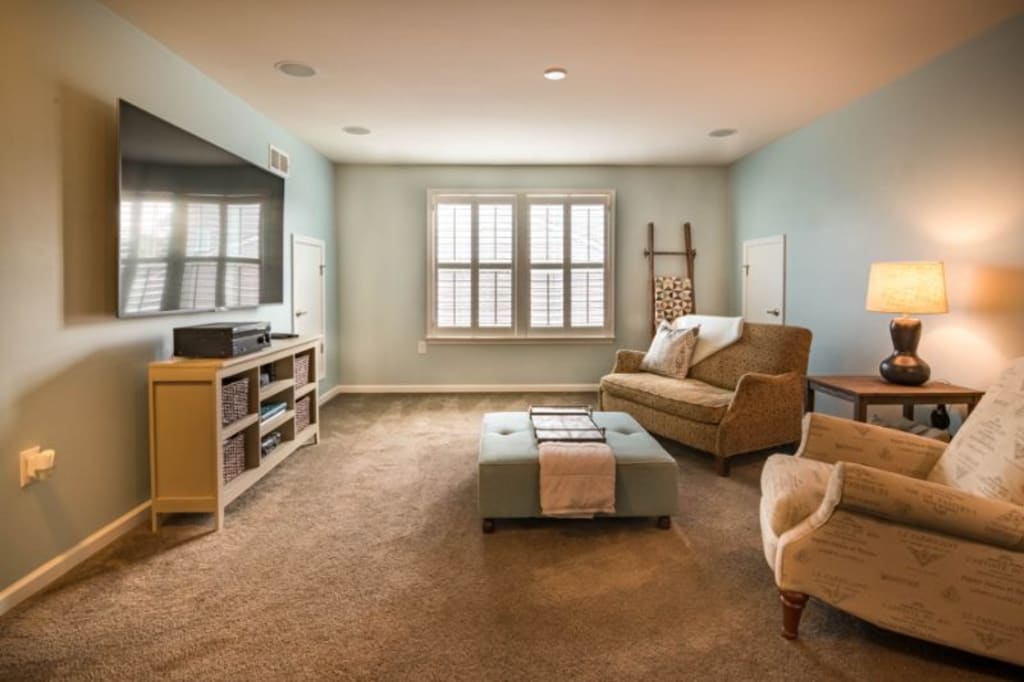
When picking the right floor for UK homes, two top picks often come up: vinyl flooring and carpets. Each has its fans; vinyl for its cool, easy care, and carpets for their soft, warm feel. But who is the true king in England's homes with cold winters, wild weather, and busy lives? Carpets are well-loved for their cozy feel, noise-cutting ability, and warm look, making them a main choice for bedrooms and living rooms. On the other side, vinyl flooring has won many hearts in modern homes because it lasts a long time, needs little care, and looks like wood or stone, but costs much less.
A Quick Verdict:
If you seek warmth and soft feel in bedrooms or lounges, choose carpet. For spaces needing strong and easy upkeep (like kitchens, utility rooms, and busy paths), go with vinyl. Many homes in the UK mix both: carpet for the cozy spots, vinyl where there's more action.
Pro-Tip: Plan by zones, not just one way. Lay carpet in snug spots and vinyl in work areas, it offers you an ideal mix.
1. Underfoot Comfort & Warmth: Carpet is Superior (But Vinyl Can Also Be useful)
Carpet: natural warmth and soft comfort:
Carpet's best feature is how well it holds heat. Wool and pile keep small air gaps which work as heat holders, so when you step on carpet on a cold UK day, it feels warmer than vinyl. Carpet also slows down your day with a comfy touch, it cuts down noise from footsteps, is soft to walk on, and makes any room cozy.
a. Thermal feel: Excellent. Carpets reduce heat loss through the floor marginally but increase perceived warmth significantly.
b. Acoustic advantage: Carpets soak up sound, less noise, less trouble from neighbors. Great in flats and multi-story homes.
Vinyl: can be made coy with choices

Vinyl is a tough kind of floor that can feel cold to the touch. But, you can make it feel warm by:
a. Choosing a warm-looking wood effect plank that makes your mind think it's warmer, and
b. Using a thermal underlay if you can (for floating vinyl), or putting big rugs in rooms where you hang out.
Modern luxury vinyl tiles (LVT), specially those with thick cores (SPC/WPC), feel nicer under your feet than the old, thin vinyls. Even so, they still can't give the same cozy feel on your feet that a thick carpet can.
Pro-Tip: If you like vinyl but don't like cold feet, put down a thick rug or use underfloor heating (more on that next), they both are great choices together.
2. Compatibility with Underfloor Heating: Vinyl Usually Prevails, but Carpet Selection is Crucial:
Underfloor heating (UFH) is a big deal in new UK homes and when fixing up kitchens or bathrooms. It's important because it deals with how well heat moves and saves energy.
Vinyl + UFH:
a. Compatibility: Most new types of LVTs and both SPC and WPC vinyl planks work well with UFH. They move heat well and respond quick to temperature shifts, making your floor feel nice.
b. Installation: Stick to maker's max floor heat rules (usually around 27–28°C). Pick the right glue or placement plan as the maker says.
c. Efficiency: Vinyl sends heat well; it makes rooms warm quicker.
Carpet + UFH:
a. Compatibility: You can use carpets with UFH, but make sure the carpet and underlay have a low TOG level. A thick carpet and thick underlay may make the UFH less effective.
b. Guidance: Pick wool or low tog carpets and underlays that are made for UFH. Wool is great, but ensure the total thermal resistance fits within UFH limits.
c. Practical note: For rooms where you want quick heat (like bathrooms and kitchens), vinyl plus UFH is often better; living rooms and bedrooms can have carpets if slower heating is okay and you choose the right types.
Pro-Tip: When you plan for UFH, choose the flooring first and get items that fit UFH well. Don't just assume all carpets or vinyls will work, always check the UFH details from the seller.
3. Maintenance and Cleaning: Vinyl is the Low-effort Leader:
This is a real big deal for lots of families, for those with kids, pets, or just busy lives.
Carpet cleaning facts:
a. Daily care: Vacuum frequently in high-traffic areas. You can do it 2–3 times a week for busy rooms.
b. Stain care: Act fast: blot spills, use wool-safe cleaners when needed. Stains from things like blood or milk need cold water; oily marks need special cleaners.
c. Deep cleaning: Have a pro steam-clean or use hot-water pull out every 12–36 months based on use. This keeps the threads good and cuts down on allergens.
d. Damp & mold risk: In wet UK spots, carpets need good padding and air flow. If carpets stay wet, they might grow mold.
Vinyl cleaning reality:
a. Daily maintenance: Brush or use a dry mop to get rid of dust (it can scratch). A fast damp mop keeps it shiny.
b. Spill tolerance: Vinyl can beat most home spills- wipe, wash, all set.
c. Deep clean: Use an auto-scrubber or mild machine for big spots; vinyl almost never needs a pro to step in.
d. Durability: Handles stains well and is great for pet messes (wipe and clean).
Realistic trade-off:
Carpet needs more frequent and direct cleaning and sometimes a pro. Vinyl just needs a mop and it's good to go.
Pro-Tip: If saving cleaning time is key, vinyl helps you keep on top of things easily. If you like soft touch and can handle regular cleaning, carpet is still a great choice.
4. Costs: Early and Long-term Considerations:
Money talk has two sides: what you pay now and what you keep paying later.
Carpets:
a. Upfront: Prices go from low to high, cheap man-made carpets, okay wool mixes, to pricy top wool (hand-made or thick). Don't skip costs for padding and putting it in place.
b. Ongoing: Clean with a vacuum, need for pro cleans now and then, might need stain fixes, might need a new one sooner in busy homes.
c. Lifespan: Fine wool can last a long time; low-cost ones go bad fast.
Vinyl:
a. Upfront: Vinyl floors (LVT) range from mid to high cost based on type (SPC/WPC cost more). Cheap vinyl sheets are very low-priced. Set-up cost can vary or match depending on floor prep.
b. Ongoing: Costs for upkeep are really low; almost no need for pro cleaning.
c. Lifespan: Good vinyl can last 10–20 years or more. It’s often the best value in busy homes.
How to represent value:
In family rooms, vinyl’s low upkeep and tough build often means less cost over 10 years. For well-kept lounges and bedrooms, high-quality wool carpet’s longer life can make up for its high start price.
Pro-Tip: Work out cost per year by splitting the initial cost plus upkeep by its life span, it shifts the view quickly.
5. Style, Texture, and Resale: Aesthetics Counts:
Both carpet and vinyl offer many style choices.
Carpet style:
a. Warmth & texture: Carpets add softness and they can make a space feel rich and full. They are perfect for adding mood and deep colors.
b. Resale: Light, clean carpets in sleeping and living areas often catch the eye of buyers who like coziness.
Vinyl style:
a. Realistic visuals: Today's vinyl planks look just like wood, stone, or cement, and usually come in big planks. They fit well in modern homes.
b. Consistent look: Vinyl works well in big rooms that connect kitchen to living area, giving a smooth and same look throughout.
Practical note:
If you think of selling, look at what folks near you like: some in the UK prefer open, shiny floors, while others love soft carpets in sleep spots.
Pro-Tip: If you go for vinyl but still want it comfy, use throw rugs, they add warmth by look and are easy to clean.
6. Lifestyle and Family Requirements: Which Flooring Is Best For Particular Home?
a. Families with young kids:
Recommendation: Vinyl. It can deal with spills, food, crayons, and lots of walking. It dries fast and keeps mud out. Add soft rugs for playing spaces.
b. Households with pets:
Recommendation: Vinyl or tight, thick synthetic carpets. Vinyl takes on pet messes well and cleans up quick. If you like carpets, choose ones that are tight and clean easy. Clean them a lot.
c. Elderly occupants & bedrooms:
Recommendation: Carpet. It softens falls, keeps warmth, and feels good under feet. Make sure it's safe to walk on and watch the edges.
d. Allergy-prone homes:
Recommendation: Vinyl is most liked for those who need less allergens at home. Yet, a carpet that gets often cleaned with a HEPA vacuum and deep cleans can be good too. If you find dust hard to deal with, go for vinyl for less worry.
e. Busy rental properties:
Recommendation: Pick either vinyl or a cheap fake carpet. Vinyl helps quick changes between renters and holds up well to different ways renters use it.
Pro-Tip: Pick the floor type for who will use it most and how they will use the room. Bedrooms → go for carpet; Kitchens & utility areas → better with vinyl; Living rooms → it's up to you, think about how your family uses it.
7. Safety and Acoustics Issues:
Acoustic performance:
Carpet: Great at soaking up foot sounds, TV bass, and room echo. Put it in flats and tall homes where sound cut is key.
Vinyl: Sends sound back more; mix with mats, soft seats and ceiling stuff that eats sound in homes with open plans to tame echo.
Safety & slip:
Carpet: Offers grip and softens falls. Works well on stairs and for the old.
Vinyl: Modern types have safe, slip-free coats and R-rated picks for wet spots. Watch out for water on smooth vinyl as it gets slippery; pick rough or slip-free types for use in kitchens and baths.
Pro-Tip: Use no-slip layer under and make sure edges are tight to prevent trips where carpet and vinyl meet.
8. Installation and Disturbance: Duration, Preparation of the Subfloor, and Practical Aspects:
Carpet installation:
a. Time & disruption: Quick for one room but needs measuring, fitting, and stretching; best done by pros.
b. Subfloor: It's okay if not perfect, padding evens out small bumps.
c. Edge & stair considerations: Fitting on stairs needs an expert.
Vinyl installation:
a. Time & disruption: Snap-together designs are quick and easy for self-install; fully-adhered vinyl or sheet types need more time.
b. Subfloor: Surface must be flat and dry; very crucial. Check for moisture to stop future issues like peeling or glue not sticking.
c. Seams & transitions: Need right edge covers and space for swelling.
Pro-Tip: Plan for subfloor work, a bad subfloor often leads to issues with both carpet and vinyl. Consider a pro check if not sure.
FAQs:
1. Is it possible to put underfloor heating beneath carpet?
Yes, but pick a carpet and underlay with a low thermal resistance (low TOG). You can use wool, but the total TOG of the carpet + underlay must be within the limits set by your UFH system's makers (they often set max surface temps). For rapid heat-up rooms like bathrooms or kitchens, vinyl often offers better UFH performance.
2. What's best option for allergy sufferers- carpet or vinyl?
Vinyl is often the top pick for bad allergies because it does not keep dust and fur as carpet does. Yet, a carpet that is kept up well (often cleaned with a HEPA vacuum and deep cleaned by pros now and then) can be fine. If you have bad allergies, you might want to go with vinyl or solid floors with rugs you can wash.
3. What is the actual difference in long-term costs between carpet and vinyl?
At first, vinyl might be less or the same in price when you look at types (LVT vs top wool). Over 10–15 years, vinyl tends to be cheaper in all when it comes to busy homes because it costs less to clean and replace. Good wool carpet that's well kept can also last long and be worth it per year in spots where it stays nice. Look at both buying and likely upkeep/replacement costs to see which is best.
About the Creator
Review of 'Man on the Run'
My wife and I saw Man on the Run, a nearly 2-hour documentary on Amazon Prime, about Wings, Paul McCartney's group that flew around the world from shortly after The Beatles broke up in early 1970 to shortly after John Lennon was murdered at the end of 1980, making a Beatles reunion forever impossible.
By Paul Levinson12 days ago in Beat
A$AP Rocky's AWGE Teases Incoming Rollout For "Don't Be Dumb" Deluxe
A$AP Rocky is a sneaky, diabolical individual. He, like his better half, Robyn Rihanna Fenty are reluctant to drop music nowadays. It was a blessing that the world got to respond to in a so-so way Don’t be Dumb after a hiatus of eight years. Rihanna has her lover beat; she hasn’t dropped a music project in over a decade. I digress.
By Skyler Saunders3 days ago in Beat


Comments
There are no comments for this story
Be the first to respond and start the conversation.