
Using Apple Music Analytics to Grow Your Fanbase
Using Apple Music Analytics

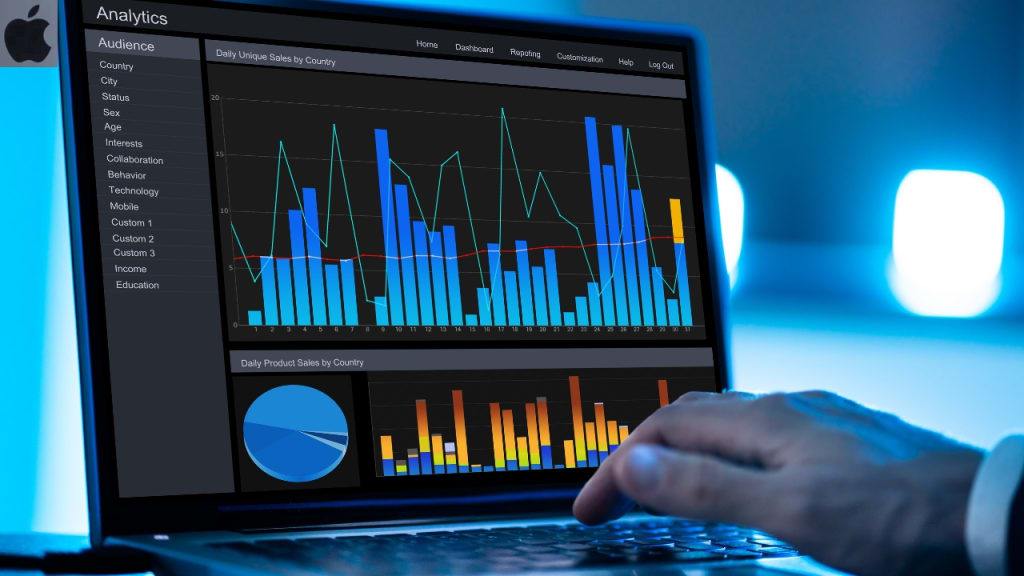
In the digital age, data has become a valuable asset across various industries, including music. Apple Music Analytics provides artists with key insights into their audience, helping them make informed career decisions. This guide outlines how to leverage Apple Music Analytics to expand your fanbase effectively.
What is Apple Music Analytics?
Apple Music Analytics is a comprehensive tool from Apple that allows artists to track and assess the performance of their music on Apple Music. It provides important insights, including total plays, average listening duration, and listeners' geographical data. By analyzing these metrics, artists can refine their approach to connect with and grow their audience more effectively.
Key Features of Apple Music Analytics
- Plays and Listens: View the total number of plays and listens your tracks receive, offering insights into your music's popularity.
- Geographical Data: Discover where your listeners are located globally, a key factor for planning tours and focusing marketing efforts.
- Demographics: Access information on your listeners’ age, gender, and preferences, allowing you to tailor your music and marketing for higher engagement.
- Trends: Recognize listening patterns over time, such as peak times and the effect of new releases on engagement. This data helps with planning future releases and promotional activities.
Accessing Apple Music Analytics
To start using Apple Music Analytics, you’ll need an Apple Music for Artists account. Here’s how to begin:
- Sign Up: Visit the Apple Music for Artists website, create an account, and verify your artist identity.
- Claim Your Profile: Once your account is set up, claim your artist profile to unlock access to the analytics dashboard.
- Explore the Dashboard: Familiarize yourself with the dashboard, where you’ll find detailed metrics and reports.
Using Apple Music Analytics to Expand Your Fanbase
1. Identify Your Core Audience
Understanding your core audience enables you to shape your music and marketing strategies to resonate with them. Use demographic data in Apple Music Analytics to identify the age, gender, and location of your primary listeners. Knowing your fans better leads to more effective engagement.
For instance, if a large segment of your audience consists of teenagers in urban areas, consider themes that appeal to this demographic. Engage with them on social media and explore collaborations with artists popular in that age group.
2. Optimize Your Release Strategy
Review trends in plays and listens to determine when your audience is most active. Releasing music during peak listening times can boost initial play counts and improve visibility. If your data shows an increase in listens over weekends, plan your releases accordingly.
Create anticipation by sharing teasers or snippets before the official release. Use Apple Music Analytics to determine the best times for these previews to maximize engagement.
3. Plan Tours and Live Performances
Geographic data is invaluable for planning tours and live shows. Identify areas where your music is popular and prioritize live events there to ensure better turnout and engagement. For example, if your data shows a strong following in New York City, make it a focal point for your tour.
Explore new markets as well. If your music is gaining traction in a particular region, consider organizing smaller shows or promotional events to build your presence. Connecting with fans face-to-face can help turn casual listeners into loyal followers.
4. Tailor Your Marketing Campaigns
Use Apple Music Analytics to fine-tune your marketing efforts. If you notice many listeners in a specific area, run targeted ads and promotions there. Create content that aligns with your audience’s preferences. For instance, if your fanbase in Japan is growing, try incorporating elements of Japanese culture into your promotional material.
Working with local influencers and media outlets can also increase your reach. Regional connections can enhance credibility and attract new fans.
5. Engage with Your Fans
Building a strong connection with fans is crucial for expanding your fanbase. Use Apple Music Analytics to understand what resonates with your fans, and engage with them by creating relevant content. Respond to comments, keep them updated about new releases, and share content they can relate to.
Host live Q&As, streams, and virtual concerts to interact with fans in real time. Offering exclusive content—like early access to new music, special merchandise, or behind-the-scenes footage—can further strengthen your connection with dedicated followers.
Advanced Strategies for Using Apple Music Analytics
1. Leveraging Playlist Data
Playlists are a great way to reach new listeners. Track which playlists feature your songs and analyze their impact on your metrics. Build relationships with playlist curators by thanking them and keeping them updated on your new releases.
You can also create playlists that feature your tracks alongside those of similar artists. Promoting these playlists on social media can boost visibility and encourage fans to share them.
2. Collaborating with Other Artists
Collaborations are an effective way to reach new audiences. Use Apple Music Analytics to identify artists with a similar fanbase and explore potential partnerships, such as joint singles, remixes, or live performances.
Promote the collaboration across both artists' channels to maximize exposure. This strategy attracts new listeners and increases engagement for both fanbases.
3. Analyzing Song Performance
Examine song performance metrics to understand what resonates with your audience. Identify high-performing tracks and use this data to guide future releases. If a particular style or theme is popular, consider incorporating it into upcoming projects.
For songs that underperform, evaluate possible reasons—such as timing, genre, or promotion—and adjust accordingly. By continuously learning from your data, you can refine your music and marketing strategies for improved results.
4. Enhancing Listener Retention
Listener retention is key to building a loyal fanbase. Track average listening time to identify where listeners may lose interest. If certain parts of a song lead to drop-offs, consider adjustments to keep listeners engaged.
Organize playlists in a way that encourages continuous listening by placing popular tracks at the beginning to hook listeners and maintain their interest throughout the playlist.
Case Study: Independent Artist Success with Apple Music Analytics
One independent artist used Apple Music Analytics to significantly expand their fanbase. By analyzing geographic data, they identified a strong listener base in South America, planned a tour there, and achieved sold-out shows.
They also used demographic insights to customize their marketing. Recognizing that young adults interested in electronic music made up a large portion of their audience, they collaborated with popular influencers in the genre, resulting in increased engagement and streaming numbers.
By tracking playlist data, they identified playlists where their music was gaining traction and established relationships with curators to increase exposure. These strategies helped grow their fanbase and boost streams.
Tips for Maximizing Apple Music Analytics
- Regular Monitoring: Frequently review your analytics to stay informed on trends and make timely adjustments.
- Experimentation: Test different content types and release strategies, refining your approach with data insights.
- Collaborations: Partner with artists who share a similar audience to expand your reach.
- Exclusive Content: Offer unique content for dedicated fans, like early releases or special merchandise.
Common Mistakes to Avoid with Apple Music Analytics
- Ignoring Data: Overlooking data can result in missed growth opportunities.
- Focusing Only on Vanity Metrics: While play counts are exciting, metrics like retention and demographics provide more actionable insights.
- Infrequent Strategy Updates: Regularly updating strategies is crucial to staying relevant in a fast-paced industry.
- Overlooking Niche Markets: Smaller markets with dedicated fans can drive word-of-mouth promotion.
- Neglecting Fan Engagement: Analytics provide insights, but consistent engagement is essential to retaining fans.
Advanced Tools and Integrations
1. Third-Party Analytics Tools
In addition to Apple Music Analytics, third-party tools like Chartmetric and Soundcharts offer insights across multiple platforms, providing a comprehensive view of your music’s performance.
2. Social Media Analytics
Combine Apple Music Analytics with social media insights to see how your music is shared and discussed. Platforms like Hootsuite can help you create more targeted marketing efforts.
3. Website and Email Analytics
If you use a website or email marketing, tools like Google Analytics and Mailchimp’s analytics can help you see how fans interact with your digital presence, allowing you to refine your approach.
The Future of Music Analytics
With advances in AI and machine learning, tools like Apple Music Analytics are expected to offer deeper insights and predictive capabilities, supporting artists in making data-driven decisions.
Potential Future Features:
- Predictive Analytics: Anticipate listener behavior based on past data.
- Enhanced Collaboration Tools: Tools that help artists find potential collaborators through data insights.
- Real-Time Data: Real-time insights for more dynamic marketing adjustments.
- Comprehensive Fan Insights: Detailed fan data across all platforms.
Conclusion
Apple Music Analytics is a powerful tool for artists aiming to grow their fanbase. By leveraging these insights, you can make strategic, data-informed decisions that drive your career forward. In today’s music landscape, success requires not just great music, but a strong understanding of your audience and how to reach them effectively. Apple Music Analytics provides the resources to help you achieve just that. Start exploring your data today and take your musical journey to new heights.
For more on music marketing and distribution, visit Deliver My Tune.
About the Creator
Keep reading
More stories from Deliver My Tune and writers in Beat and other communities.
The Role of Attorneys in Music Contracts
In the music industry, the Role of Attorneys in Music Contracts is critical for protecting the rights and interests of artists, producers, and other stakeholders. Without expert legal assistance, navigating the complexities of music contracts can be challenging. This article discusses the various responsibilities attorneys have in music contracts and why their expertise is essential for anyone involved in the music business.
By Deliver My Tuneabout a year ago in Beat
10 Vibrant Indie Hits From the 2010s
As an adult in the 2010s, I never thought I'd feel nostalgic for this decade. And yet, when I listen to indie hits from that era, I feel wistful as I think about this cheerful, optimistic time when I'd recently started college, Marvel was about to make movie history with The Avengers, and bright, peppy tunes dominated the radio.
By Kaitlin Shanks5 days ago in Beat




Comments
There are no comments for this story
Be the first to respond and start the conversation.