
Unlocking the Secrets of Music: From Brainwaves to Social Change
Exploring the Profound Impact of Melodies on the Human Experience
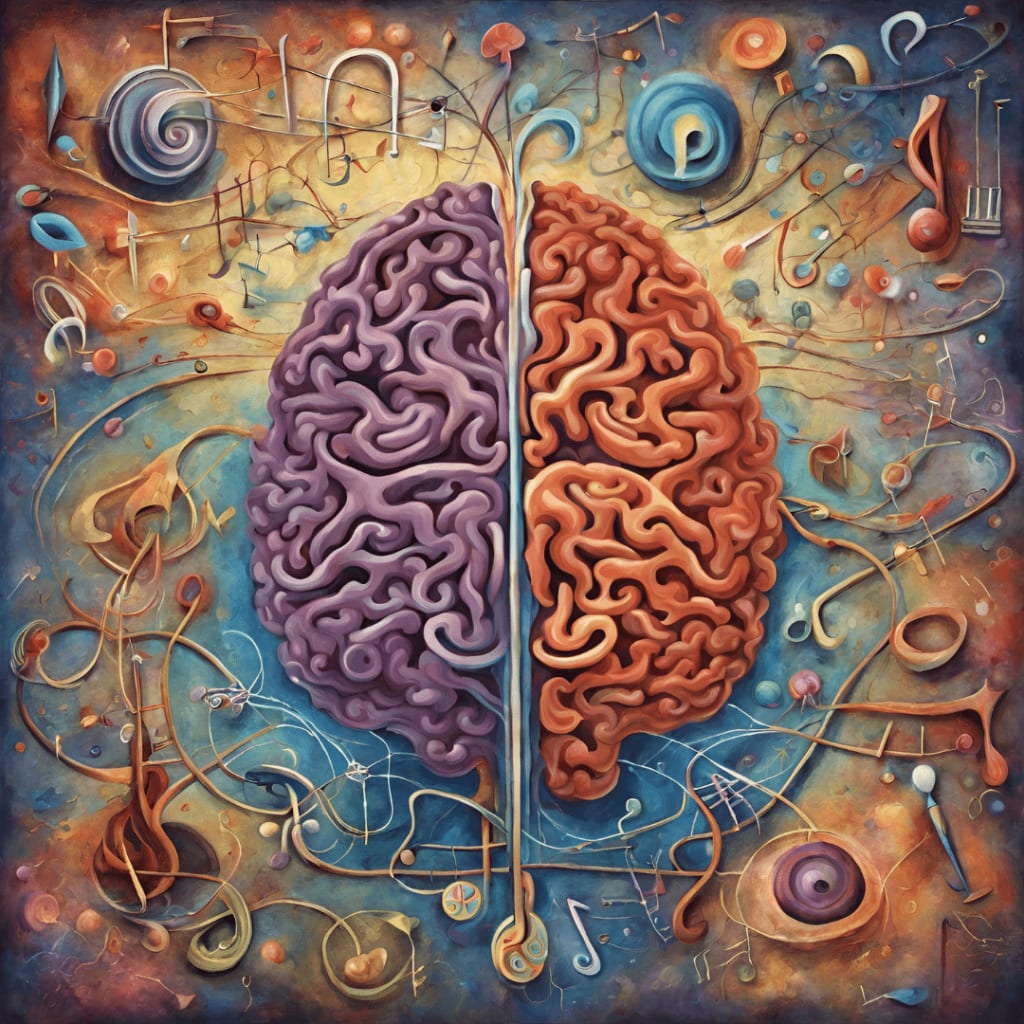
Music is more than just a form of entertainment. It is also a powerful tool that can influence our brain, body, mood, and behavior in various ways. In this story, we will explore some of the fascinating effects of music on humans and animals, and how music can be used for different purposes in different fields of knowledge.
Music and the Brain
Music can affect the brain in many ways, such as enhancing cognitive functions, stimulating emotional responses, and altering neural activity. Some of the effects of music on the brain are:
- Music can improve memory, attention, and learning. Studies have shown that listening to music can enhance the encoding and recall of information, especially if the music is related to the content or context of the material. Music can also help improve focus and concentration by reducing distractions and increasing arousal. Music can also facilitate learning by activating multiple brain regions and stimulating neuroplasticity.
- Music can evoke emotions and moods. Music can trigger various emotional reactions in listeners, such as joy, sadness, anger, fear, or surprise. Music can also influence the mood and affect of listeners, such as making them happy, calm, excited, or relaxed. Music can also modulate the intensity and valence of emotions and moods by changing the tempo, pitch, mode, or lyrics of the songs.
- Music can alter brain waves and neural activity. Music can affect the electrical activity of the brain, as measured by electroencephalography (EEG) or functional magnetic resonance imaging (fMRI). Music can induce different brain wave patterns, such as alpha, beta, theta, or delta waves, depending on the type and characteristics of the music. Music can also activate or deactivate different brain regions, such as the auditory cortex, the limbic system, the prefrontal cortex, or the cerebellum.
Music and the Body
Music can also affect the body in various ways, such as enhancing physical performance, regulating physiological functions, and improving health outcomes. Some of the effects of music on the body are:
- Music can enhance physical performance and endurance. Studies have shown that listening to music can improve athletic performance by increasing motivation, reducing perceived exertion, synchronizing movements, and distracting from fatigue or pain. Music can also increase endurance by influencing the tempo and rhythm of physical activities.
- Music can regulate physiological functions and responses. Music can affect the autonomic nervous system (ANS), which controls involuntary functions such as heart rate, blood pressure, respiration rate, or skin temperature. Music can also affect the endocrine system (ES), which regulates hormones such as cortisol, adrenaline, or oxytocin. Music can also affect the immune system (IS), which protects against infections and diseases.
- Music can improve health outcomes and well-being. Music can have therapeutic effects on various health conditions and disorders, such as chronic pain, depression, anxiety, insomnia, dementia, Parkinson’s disease, stroke recovery, or autism spectrum disorder. Music can also enhance well-being and quality of life by reducing stress, improving mood, increasing social interaction, and promoting relaxation.
Music and Society
Music can also affect society in various ways, such as reflecting cultural values, shaping social identities, and influencing social behaviors. Some of the effects of music on society are:
- Music can reflect cultural values and norms. Music can express the beliefs, attitudes, values, and norms of different cultures, such as their history, religion, politics, or aesthetics. Music can also represent the diversity and complexity of human cultures, such as their languages, styles, genres, or instruments.
- Music can shape social identities and roles. Music can help individuals form their sense of self, such as their personality, preferences, or emotions. Music can also help individuals define their social roles, such as their gender, age, class, or ethnicity. Music can also help individuals belong to different social groups, such as their family, friends, or community.
- Music can influence social behaviors and interactions. Music can affect how people behave and interact with others, such as their communication, cooperation, or conflict. Music can also affect how people perceive and respond to others, such as their empathy, trust, or prejudice. Music can also affect how people participate in social events and activities, such as their rituals, celebrations, or protests.
Conclusion
Music is a universal language that transcends boundaries and connects people. It is also a powerful tool that can influence our brain, body, mood, and behavior in various ways. By understanding the effects of music on humans and animals, we can appreciate the value and potential of music in different fields of knowledge, such as education, psychology, medicine, or sociology. Music is more than just a form of entertainment. It is also a form of science, art, and culture.
About the Creator
Keep reading
More stories from writers in Beat and other communities.
Ludacris and Nelly draw backlash over bookings at MAGA-coded music festival
Ludacris and Nelly headlining a mostly right-wing event is good for them. It’s also great for the genre of hip hop. The two rap veterans have showcased their talents on other stages. Why can’t they perform for mostly MAGA folks and grab that bag?
By Skyler Saunders4 days ago in Beat
Best Underground Rappers Right Now (2026 Edition)
Hip-hop in 2026 is defined as much by independence and creativity as by mainstream visibility. The underground rap scene is no longer just a proving ground—it’s where the future of the genre is actively being built. Artists are leveraging streaming analytics, social platforms, and direct-to-fan engagement to create momentum that major labels once dictated.
By RapRadarDigest7 days ago in Beat
Rachel Reviews: The Spiral Archive by Pieter Hendrik
It's difficult for me to know where to start with a review of this book as it was, for me, an entirely unique experience and one that I'll probably never have again. I don't want that to be interpreted as unenjoyable but it has left me scratching my head a little and ruminating on its content, its themes and its characters.
By Rachel Deemingabout 18 hours ago in BookClub
A Dart at Dusk
Seconds ago, the sullen sun set on the two of us… my exuberant furry companion and me. A fresh breeze embraces us, delivering welcome relief from the day’s oppressive heat. His typical stumbling and staggering along — apace with a sloth — has turned into trip-trapping, high-stepping, almost skipping along.
By Angie the Archivist 📚🪶5 days ago in Petlife




Comments (1)
Music has such a significant influence on our day to day lives. More so than we realize!