
Ticketmaster Under Fire: How the FTC Lawsuit Could Change Concert Ticket Sales Forever
How Alleged Illegal Resales and Hidden Fees Could Reshape the Concert Ticket Industry

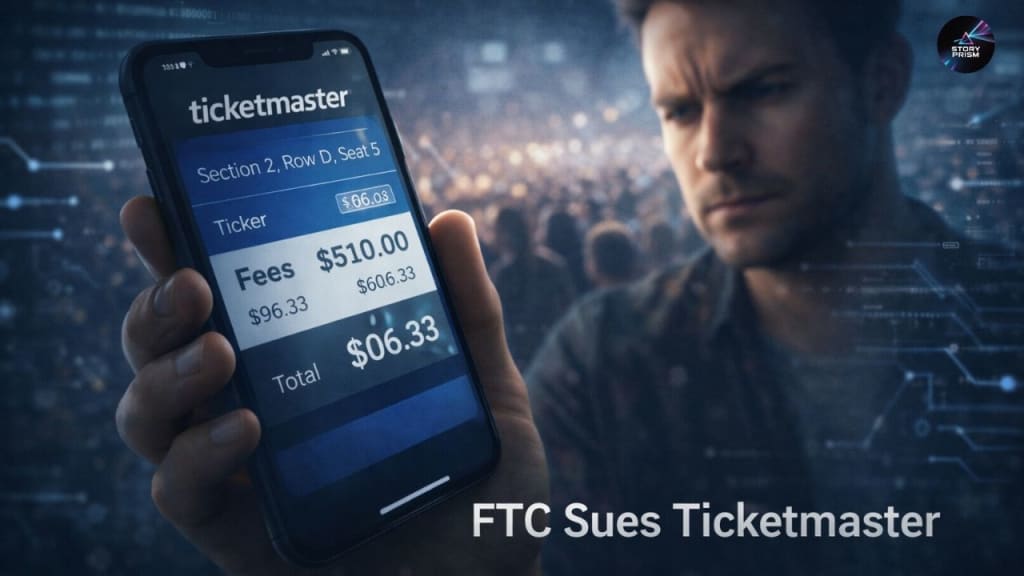
Ticketmaster, one of the world’s largest ticketing platforms, has once again found itself in the spotlight — but this time for serious legal troubles that could reshape how fans buy concert tickets in the United States. In September 2025, the Federal Trade Commission (FTC), along with seven U.S. states, filed a lawsuit against Ticketmaster and its parent company, Live Nation Entertainment, accusing the companies of engaging in illegal ticket resale practices and deceiving consumers and artists alike. The case, filed in the U.S. District Court for the Central District of California, highlights long-standing issues with ticket availability, pricing transparency, and the dominance of a single company in the ticketing market.
The Allegations: Illegal Ticket Resale Practices
The core of the FTC’s complaint centers on how Ticketmaster allegedly allowed ticket brokers to buy large quantities of tickets beyond posted limits and resell them at exorbitant prices. According to the FTC, these brokers used bots and thousands of fake accounts to bypass Ticketmaster’s purchase limits, grabbing tickets from the primary market and reselling them on Ticketmaster’s own resale platform. This practice meant that ordinary fans often missed out on tickets at face value and were forced to pay significantly higher prices on the resale market.
The lawsuit also points out that Ticketmaster profited from these inflated resale prices by collecting fees on both the original sale and the resale, essentially benefiting from the very practices that consumers view as unfair. This alleged coordination between Ticketmaster and large brokers has raised concerns that the company is prioritizing profits over fairness and transparency in ticket distribution.
Deceptive Pricing and Hidden Fees
Beyond resale issues, Ticketmaster is accused of deceptive pricing practices. The FTC claims the platform advertised lower ticket prices than what consumers actually paid. Mandatory fees were often hidden until the final checkout, making tickets appear cheaper than they truly were. This “bait-and-switch” pricing strategy is not only frustrating for buyers but also raises questions about whether Ticketmaster’s practices violate consumer protection laws.
Consumers nationwide have complained for years about unexpectedly high fees added late in the checkout process. These fees can sometimes add 20–30% to the total ticket cost, leaving buyers feeling misled. The FTC lawsuit seeks to address these practices, arguing that consumers should know the full price upfront to make informed decisions.
Misleading Ticket Limits
Another major point in the lawsuit concerns Ticketmaster’s ticket limits. While the company publicly claims to enforce strict restrictions on how many tickets one person can purchase, the FTC alleges that large brokers routinely bypassed these limits using multiple accounts. Ticketmaster allegedly failed to prevent these violations, allowing brokers to dominate ticket availability and leaving ordinary fans at a disadvantage. This practice not only hurts consumers but also impacts artists, who lose potential revenue and control over ticket distribution.
Impact on Consumers and Artists
The alleged practices by Ticketmaster have significant consequences for both ticket buyers and performers. Fans are often forced to pay inflated prices to secure tickets for popular events, with some spending hundreds or even thousands of dollars more than the face value. The frustration caused by bots and scalpers has sparked widespread criticism and calls for regulatory intervention.
Artists are also affected. They lose the ability to control how tickets are distributed and often miss out on revenue that could have gone directly to them if tickets were sold fairly. Moreover, when tickets are sold at excessive resale prices, the fan experience can be damaged, potentially affecting an artist’s reputation and fan loyalty.
Legal Violations Cited
The FTC alleges that Ticketmaster and Live Nation violated the FTC Act, which prohibits unfair or deceptive business practices. Additionally, the lawsuit cites the Better Online Ticket Sales (BOTS) Act, a 2016 law designed to prevent automated bots from circumventing ticket purchase limits. By allegedly allowing brokers to use bots and circumventing safeguards, Ticketmaster may have breached federal law, making this a landmark case for consumer protection in the entertainment industry.
A Dominant Position in the Market
Ticketmaster controls a dominant share of the primary ticket market, reportedly handling around 80% of major concert tickets in the United States. This market power has raised concerns for years, and the FTC lawsuit underscores the potential consequences of a single company having such control over ticket sales. The dominance of Ticketmaster in both primary and resale markets has created a perception of an unfair playing field, where ordinary fans have limited access to popular events.
The Road Ahead
The lawsuit is ongoing, and the FTC is seeking civil penalties, monetary relief, and other remedies deemed appropriate by the court. Legal experts suggest that this case could set a precedent for how ticketing companies operate in the future. If the FTC prevails, it could lead to stricter regulations, improved transparency, and measures to prevent scalpers and bots from dominating ticket sales.
For concertgoers, this case represents a potential shift toward fairer ticket distribution. Fans may see changes such as better enforcement of purchase limits, more transparent pricing, and reduced influence of brokers and scalpers. For artists, a fairer ticketing system could mean more control over their events and greater revenue from primary ticket sales.
Conclusion
Ticketmaster’s legal challenges highlight the ongoing tension between ticketing platforms, consumers, and artists. While the company remains a key player in the entertainment industry, the FTC lawsuit emphasizes the need for transparency, fairness, and consumer protection in ticket sales. Whether this case leads to significant changes in the ticketing landscape remains to be seen, but one thing is clear: the era of opaque fees and bot-driven ticket shortages may be facing a major reckoning.
For fans, artists, and industry observers, the outcome of this lawsuit could redefine how concert tickets are bought, sold, and priced in the United States. One thing is certain — the spotlight is now firmly on Ticketmaster, and the world is watching.
About the Creator
Keep reading
More stories from Story Prism and writers in Beat and other communities.
Ricky Martin Net Worth 2026: Career, Wealth, Real Estate, and Legacy
Ricky Martin Net Worth 2026: How the King of Latin Pop Built a $130 Million Empire Ricky Martin, born Enrique Martín Morales on December 24, 1971, in San Juan, Puerto Rico, is one of the most iconic Latin artists in music history. Known as the “King of Latin Pop,” Martin’s career spans decades of chart-topping hits, sold-out tours, and ventures in acting and business. Today, his net worth is estimated at $130 million, reflecting not only his global fame but also his smart investments and diversified career.
By Story Prism4 days ago in Beat
I've Just Realized
The President doesn't understand music. There. It felt very good to write that; it's some thing I just realized today. Oh , yes; he plays it. He TRUMPets it in rallies and meetings, pumps it across the airwaves when he gathers up our minutes waiting for his late arrival.
By Judey Kalchik 4 days ago in Beat
Merengue cover version of the shaggy Sting Song don’t make me wait A traditional merengue, cover song it’s my version
this is my version of the shaggy and Sting song don’t make me wait. My version of don’t make me wait isn’t orchestral and traditional organic jam that I decided to come up with for this one and it came out really well too. I’m proud of the way it came out. I learned how to properly do meringue by reading the musical instructions as to meringue music should be. Also, that I had was the Suavemente. Along with the music of Torino in particular, his are some of the blueprints that I order to follow along and properly learn how to construct and record meringue. I think it’s really cool the way that this this is one of my earlier meringue songs. I wanted to record this song because I’m a big shaggy fan all my I two at the time I was told to record well rather I wanted to record relevant songs in the shagging stinging song were relevant songs at the time because at that time they had just came out with a collaboration album where they recorded together and that’s a pretty cool album that both legendary artist had came out with.
By Revista Miko:XCI by Rikki La Rougeabout 21 hours ago in Beat
If You Write A Book, Don’t Tell Anyone
There are days when I’m grateful Amazon doesn’t tell me specifically who has bought my book and who hasn’t. If they did, I would be heartbroken when I read the list and noticed all the important names in my life were not on my list of customers.
By Ellen Frances6 days ago in Writers



Comments
There are no comments for this story
Be the first to respond and start the conversation.