
The Unfiltered Creative World of ChrisHndrixx: A Rising Artist’s Breakthrough
Unpacking ChrisHndrixx’s perspective on musical influence, future industry shifts, and the motivations guiding his development as an artist

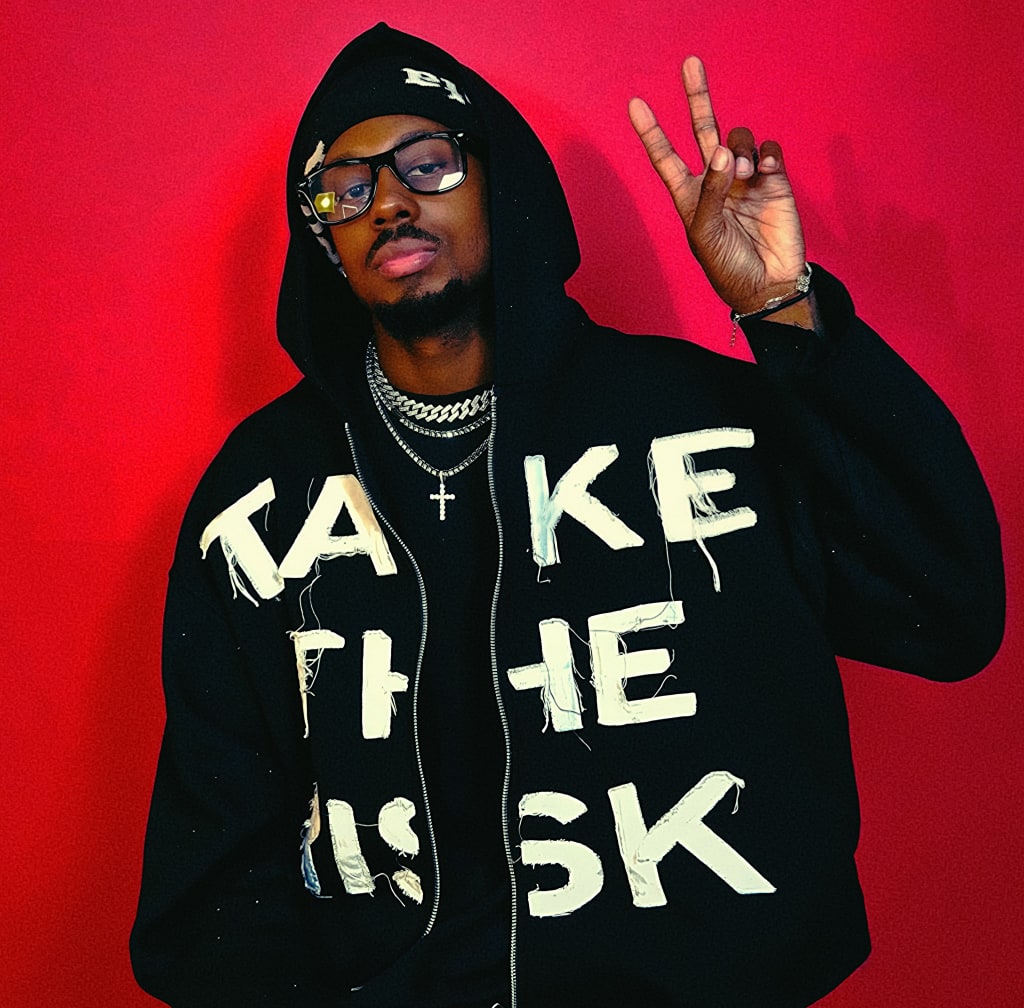
In today’s constantly shifting music landscape, artists not only create sound but also contribute to broader conversations about artistic purpose, technological advancement, and personal development. ChrisHndrixx, an emerging musician continuing to refine his identity and approach, has offered a straightforward look into his motivations and beliefs surrounding music and the industry that shapes it. His reflections provide insight into how he views the emotional impact of his work, the evolving role of artificial intelligence in music, and the questions listeners often raise about his career trajectory. A central element of his artistic mindset involves how audiences respond emotionally to his music. ChrisHndrixx states, “People should listen to my music because of the way it changes people’s emotions. When somebody plays music, and say ‘put on some ChrisHndrixx, I’ll feel like I’ve succeeded at my passion.” He shares this as a measure of fulfillment rather than a marketing tool. From a neutral standpoint, emotional influence has long been a factor that listeners consider when choosing music. Many genres rely on mood, tone, and emotional storytelling, and his comment aligns with a broader understanding of how music interacts with human experience. His statement does not attempt to claim superiority but instead communicates his personal sense of purpose.
Reflecting on the direction of the music industry, ChrisHndrixx addresses a topic that has grown increasingly prominent. The role of artificial intelligence in shaping sound and production. ChrisHndrixx states, “When it comes to how I think the music industry will evolve I actually think, with AI, the music sonically will get a lot better. But it’ll definitely make fans appreciate live performances and tours more.” This perspective fits within current debates about AI’s impact on creativity. Some view AI as a tool for enhancement, while others express concern about its influence on artistic authenticity. His viewpoint sits somewhere in the middle—acknowledging potential benefits in sound quality while predicting that live performance may gain additional value as listeners seek experiences that technology cannot replicate. His comments also align with ongoing discussions about how audiences distinguish between digitally-generated perfection and human imperfection, both of which play meaningful roles in modern music consumption. By presenting this view, he contributes to a conversation happening across the industry without making absolute claims about the future.
Another topic ChrisHndrixx addresses involves timing—specifically, why he began taking music seriously when he did. He shares, “One wonder many individuals often have about my music is why I didn’t start doing and taking music serious sooner. They know I have the talent and work ethic, all I needed was my supporters to get on board.” This statement speaks to a common narrative among artists, the disparity between personal readiness, and external perception. Many creators begin their careers later than expected for various reasons, including resources, confidence, opportunity, or personal circumstances. His explanation does not assert that he started at the perfect or imperfect time; it simply offers his reasoning. From a neutral standpoint, discussions about timing in creative careers highlight an ongoing tension between public expectation and personal development. His acknowledgment that supporters played a role also reflects how audience engagement can influence an artist’s momentum and commitment. As ChrisHndrixx continues navigating the music industry, his statements provide a clear snapshot of how he currently views his craft and environment. Whether his predictions or reflections ultimately align with broader industry trends remains to be seen, but his willingness to articulate them offers transparency into his creative outlook. By expressing his motivations and uncertainties plainly, he positions himself as an artist who is still evolving and willing to engage thoughtfully with the questions surrounding his work
About the Creator
A Transparent Look at Vocal Challenges and Top Stories
Almost three years ago, we shared a resource article that served as a place for people to suggest new challenge prompts. We thought it would be a good idea to refresh that thread, and take the opportunity to answer a few common questions about top stories, how challenges are judged and how submissions are reviewed.
By Vocal Curation Team4 days ago in Resources


Comments