
The Ultimate Guide to Launching an Artist Merchandise Store
The Ultimate Guide

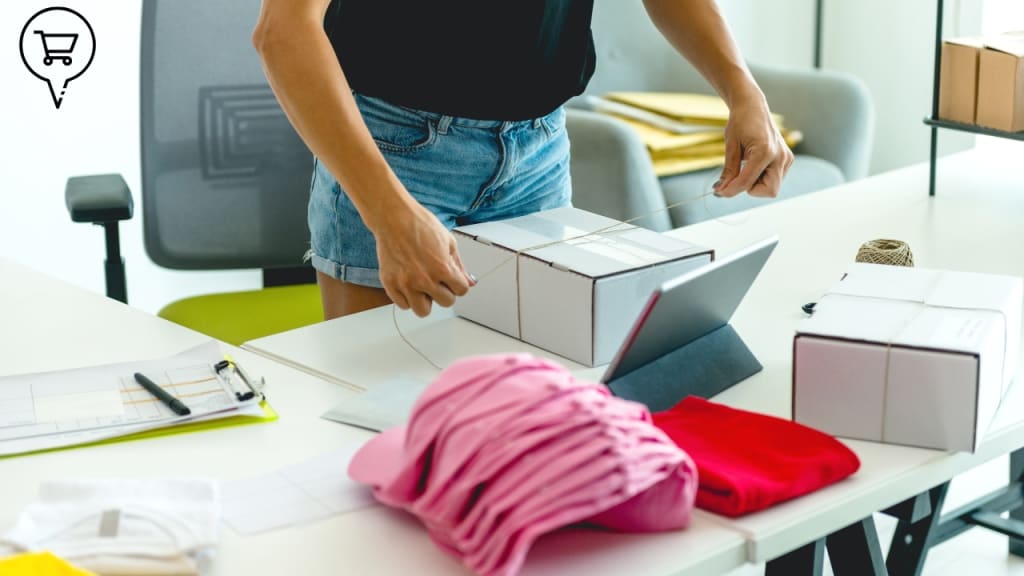
Opening an artist merchandise store is a transformative move for musicians striving to expand their careers. It provides a steady revenue stream and gives fans a meaningful way to connect with your music through unique, tangible products. This guide details actionable steps, benefits, and strategies to successfully establish and manage your store, ensuring it becomes a vital part of your brand.
What Is an Artist Merchandise Store?
An artist merchandise store is a dedicated platform, either online or physical, where musicians sell branded items that embody their music and personal style. Common offerings include apparel like t-shirts, hoodies, and hats, as well as memorabilia such as vinyl records, posters, CDs, or custom-designed accessories. These products not only allow fans to support your art but also serve as keepsakes that celebrate your music and brand identity.
Benefits of an Artist Merchandise Store
1. Steady Income Stream
Merchandise sales offer a reliable source of income, especially during periods when live performances are unavailable. Having an artist merchandise store ensures you remain financially stable while maintaining fan engagement.
2. Reinforces Brand Identity
Each piece of merchandise serves as a moving advertisement for your music. Fans who wear or use your branded products help boost your visibility, solidifying your identity as an artist.
3. Strengthens Fan Relationships
Exclusive or limited-edition merchandise fosters a sense of loyalty and connection. These unique products make fans feel valued, building a stronger bond with your audience.
Steps to Launch an Artist Merchandise Store
1. Plan Your Product Line
Select products that align with your brand and appeal to your fans.
- Understand Your Audience: Use surveys, polls, or social media engagement to gauge interest in items like apparel, accessories, or collectibles.
- Design Thoughtfully: Work with professional designers to craft unique and eye-catching designs.
- Focus on Quality: High-quality merchandise reflects well on your brand, ensuring customer satisfaction and repeat purchases.
2. Choose the Right Platform
Pick a platform that suits your needs and offers easy setup options for your artist merchandise store:
- Shopify: Offers intuitive design tools and flexible customization.
- Bandcamp: Ideal for musicians, integrating merchandise sales with your music catalog.
- Big Cartel: Perfect for artists with smaller inventories looking for simplicity.
3. Set Up Your Store
After choosing your platform:
- Register Your Store: Create an account and choose a subscription plan that fits your requirements.
- Customize the Store: Use branding tools to design a layout that reflects your unique style.
- Add Products: Upload high-quality images with detailed descriptions, including sizes, colors, and materials.
4. Price Your Merchandise Effectively
Pricing is crucial to balancing affordability with profitability.
- Factor in All Costs: Account for production, shipping, and platform fees.
- Research Competitors: Compare prices with other artists to ensure competitiveness.
- Maintain Margins: Strike a balance between reasonable pricing and a sustainable profit margin.
5. Promote Your Store
Promotion is essential for driving traffic and encouraging sales.
- Social Media Campaigns: Post about product launches, exclusive deals, and restocks on Instagram, TikTok, and Twitter.
- Email Marketing: Send newsletters to keep fans informed about new arrivals and special offers.
- Live Performances: Showcase your merchandise during live gigs, providing links or QR codes for easy access.
Best Practices for Managing Your Artist Merchandise Store
1. Emphasize Quality Over Quantity
Start with a smaller selection of high-quality items that resonate with your fans rather than offering an extensive but lower-quality range.
2. Offer Limited Editions
Exclusive products create a sense of urgency, encouraging immediate purchases and enhancing their value to fans.
3. Prioritize Customer Service
Respond promptly to inquiries, resolve issues efficiently, and maintain clear communication to foster trust and encourage loyalty.
4. Manage Inventory Smartly
Use inventory management tools to monitor stock levels, restock popular items, and phase out underperforming products.
Designing Merchandise That Sells
1. Understand Your Fans
Engage with your audience through social media or surveys to identify their preferences and create designs they’ll love.
2. Collaborate With Designers
Partner with experienced professionals to ensure your merchandise stands out and aligns with your brand identity.
3. Keep It Simple
Minimalistic designs often appeal to a broader audience and are easier to produce, making them a cost-effective choice.
4. Stay On-Brand
Ensure that all merchandise reflects your music and branding, reinforcing consistency and authenticity.
Expanding Your Product Line
1. Start Small
Begin with a few key items and expand based on demand and feedback from your audience.
2. Introduce Seasonal Products
Add limited-edition, seasonal merchandise to keep your inventory fresh and exciting.
3. Bundle Products
Combine complementary items, like a hoodie and vinyl record, into discounted bundles to encourage larger purchases.
Handling Logistics and Operations
1. Efficient Inventory Management
Track inventory to avoid stock shortages or overproduction. Restock popular items proactively and discontinue slow movers.
2. Reliable Shipping Options
Partner with trustworthy shipping providers to ensure timely delivery. Offer flexible options, including international shipping, to cater to fans worldwide.
3. Clear Return Policies
Establish easy-to-understand return and exchange policies to build trust and enhance the customer experience.
Promoting Your Artist Merchandise Store
1. Maximize Social Media
Post regular updates about new releases, exclusive offers, and restocks. Share behind-the-scenes content to engage fans and showcase your creative process.
2. Collaborate With Influencers
Work with influencers in your niche to promote your merchandise to a broader audience.
3. Leverage Email Marketing
Send targeted newsletters to your fanbase with updates on exclusive deals, new products, and limited-time offers.
Boosting Sales and Overcoming Challenges
- Offer Pre-Orders: Build anticipation and gauge demand for upcoming products.
- Run Flash Sales: Create urgency with time-limited discounts.
- Provide Personalization: Allow fans to customize items, such as adding names or favorite lyrics to apparel.
Managing Finances
- Budget Wisely: Track production, marketing, and shipping expenses carefully.
- Monitor Revenue: Use accounting tools to manage income and identify growth opportunities.
- Set Financial Goals: Define clear targets to measure success and refine your strategy.
Conclusion
Launching an artist merchandise store is a powerful way to elevate your music career. It provides financial stability while deepening connections with your fans through high-quality, meaningful products. With strategic planning, effective promotion, and a focus on customer satisfaction, your store can become a cornerstone of your artistic success. By staying authentic and innovative, your artist merchandise store can flourish, supporting both your creativity and your growing fanbase.
Related Articles:
For further reading, explore these related articles:
- Ultimate Guide to Music Album Promotion
- How to Promote Indie Music: A Comprehensive Guide
- How Do I Promote My Music: A Guide for Independent Artists
For additional resources on music marketing and distribution, visit Deliver My Tune.
About the Creator
Keep reading
More stories from Deliver My Tune and writers in Beat and other communities.
The Ultimate Guide to Hip Hop Music Promotion
In the ever-evolving music industry, hip hop music promotion is a critical strategy for artists looking to establish their identity and reach a wider audience. This guide offers practical strategies and actionable steps to help you effectively promote your hip hop music and leave a lasting impact in this dynamic genre.
By Deliver My Tuneabout a year ago in Beat
The Tango Connection
I suppose I've become a writer so I wouldn't bore everyone to death telling them my stories. Reading them is reading. Not the same. There's rhythm. And timing and, most importantly, drama and suspense. Unless you have tremendous magnetism and an undeniable stage presence, there's no way you can engage an audience the way you can by writing your story. That's my opinion.
By Rene Volpi 26 days ago in Beat
TUS NUA - ch 53
TUS NUA – ch 53 New Beginnings – Mia and Midnight (*)(*)(*) Finola knew Ali’s brother-in-law needed to put his mind at rest. She fed her arm through his and led him outside. “We’ll sit here. If you like, I can put a block around us so our conversation will be private.”
By Margaret Brennan4 days ago in Fiction



Comments
There are no comments for this story
Be the first to respond and start the conversation.