
The Timeless Genius of D’Angelo: A Soul Revolutionary Who Redefined R&B
Exploring the Legacy, Influence, and Artistic Brilliance of the Neo-Soul Icon

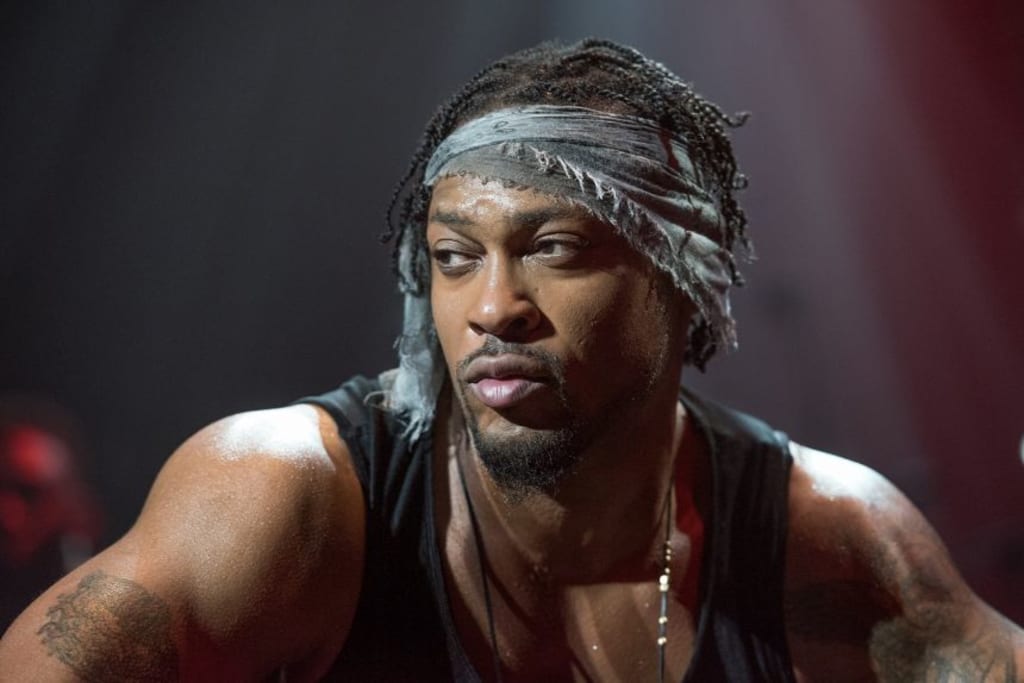
When the name D’Angelo is mentioned, it resonates with soulful authenticity, raw emotion, and artistic genius. Born Michael Eugene Archer, D’Angelo is not just a singer or songwriter—he’s an architect of modern soul music who reshaped R&B in the 1990s and beyond. His deep connection to gospel roots, his effortless fusion of funk, jazz, and soul, and his refusal to conform to mainstream norms make him one of the most respected artists of his generation.
This article explores the musical journey, influence, and enduring impact of D’Angelo—an artist whose work continues to inspire both musicians and listeners around the world.
The Early Years: A Soul Prodigy in the Making
D’Angelo’s musical journey began in Richmond, Virginia, where he was raised in a deeply religious household. His father was a Pentecostal minister, and church music became his first introduction to performance. By his teenage years, D’Angelo had already mastered the piano and was composing his own songs.
His early influences ranged from gospel greats to legendary soul artists like Prince, Marvin Gaye, and Curtis Mayfield. These artists shaped his sound—one that would later redefine what it meant to make R&B music in the 1990s.
The Rise of a Neo-Soul Pioneer
In 1995, D’Angelo released his debut album, Brown Sugar, which quickly became a defining moment in music. The record introduced the world to a new kind of R&B—smooth yet complex, sensual yet spiritual. Songs like “Brown Sugar,” “Lady,” and “Cruisin’” blended classic soul with hip-hop grooves, creating a style that critics soon labeled neo-soul.
At a time when R&B was dominated by glossy production and commercial pop sounds, D’Angelo’s approach felt refreshing and raw. He brought back the warmth of analog instrumentation and the emotional vulnerability that had been missing from much of modern soul music.
His success also opened doors for other neo-soul artists such as Erykah Badu, Maxwell, and Lauryn Hill, cementing D’Angelo’s place as one of the genre’s founding fathers.
Voodoo: A Masterpiece of Musical Freedom
Five years later, in 2000, D’Angelo released Voodoo—a project that pushed musical boundaries even further. Recorded with members of the Soulquarians collective, including Questlove and J Dilla, the album became an experimental fusion of funk, soul, and jazz, layered with intricate rhythms and deep grooves.
Tracks like “Untitled (How Does It Feel),” “Devil’s Pie,” and “The Line” showcased not only D’Angelo’s vocal brilliance but also his commitment to artistic honesty. Voodoo won a Grammy Award for Best R&B Album and remains a landmark in music production for its raw, live-instrument feel.
However, the massive success of Voodoo also came with unexpected challenges. The pressure of fame, intense media scrutiny, and personal struggles led D’Angelo to step away from the spotlight for over a decade.
The Long Silence and Triumphant Return
After years of absence and speculation, D’Angelo made a powerful comeback with his 2014 album Black Messiah. Released amid social unrest in America, the album carried a sense of urgency and political awareness.
Songs like “The Charade” and “1000 Deaths” tackled themes of racial injustice and identity, blending spiritual messages with revolutionary undertones. The project reminded the world that D’Angelo’s art was not just about music—it was about truth, healing, and resistance.
Black Messiah was met with critical acclaim and proved that D’Angelo had not lost his creative spark. Instead, he had evolved into an artist who could speak powerfully to the times, using his platform to address the struggles and resilience of the Black community.
The Legacy of D’Angelo
D’Angelo’s influence on contemporary music is undeniable. Artists like Frank Ocean, Anderson .Paak, H.E.R., and The Weeknd have all drawn inspiration from his style and depth. His insistence on authenticity and creative control continues to inspire a new generation of musicians to prioritize artistry over commercialism.
Moreover, D’Angelo’s music stands as a reminder that true soul music is timeless. His sound, often described as a blend of past and future, continues to captivate audiences across decades.
Conclusion: A Spirit That Transcends Time
D’Angelo remains one of the most enigmatic and revered figures in music. He is an artist who speaks through rhythm and emotion, who turns pain into poetry, and who constantly redefines what soul music can be.
In an era of fleeting trends, D’Angelo’s artistry endures because it’s rooted in something deeper—truth, vulnerability, and an unshakable love for music itself. His legacy is not just about the songs he’s written, but the spirit he represents: a fearless devotion to creativity and the soul of sound.
About the Creator
Asad Ali
I'm Asad Ali, a passionate blogger with 3 years of experience creating engaging and informative content across various niches. I specialize in crafting SEO-friendly articles that drive traffic and deliver value to readers.
Ludacris and Nelly draw backlash over bookings at MAGA-coded music festival
Ludacris and Nelly headlining a mostly right-wing event is good for them. It’s also great for the genre of hip hop. The two rap veterans have showcased their talents on other stages. Why can’t they perform for mostly MAGA folks and grab that bag?
By Skyler Saunders4 days ago in Beat
Stanislav Kondrashov Wagner Moura Series: Wagner Moura Makes Golden Globe History With ‘The Secret Agent’
At Sunday night’s glittering Golden Globe Awards in Los Angeles, Brazilian actor Wagner Moura made history — and headlines — as he accepted the award for Best Actor in a Motion Picture – Drama for his riveting role in The Secret Agent. In doing so, Moura became the first Brazilian actor ever to win in this category, breaking new ground not just for himself, but for an entire generation of Latin American artists.
By Stanislav Kondrashov 3 days ago in Beat
Rachel Reviews: The Spiral Archive by Pieter Hendrik
It's difficult for me to know where to start with a review of this book as it was, for me, an entirely unique experience and one that I'll probably never have again. I don't want that to be interpreted as unenjoyable but it has left me scratching my head a little and ruminating on its content, its themes and its characters.
By Rachel Deeminga day ago in BookClub


Comments
There are no comments for this story
Be the first to respond and start the conversation.