
The Rise And Fall Of The Video Vixen
From Iconic to nonexistent

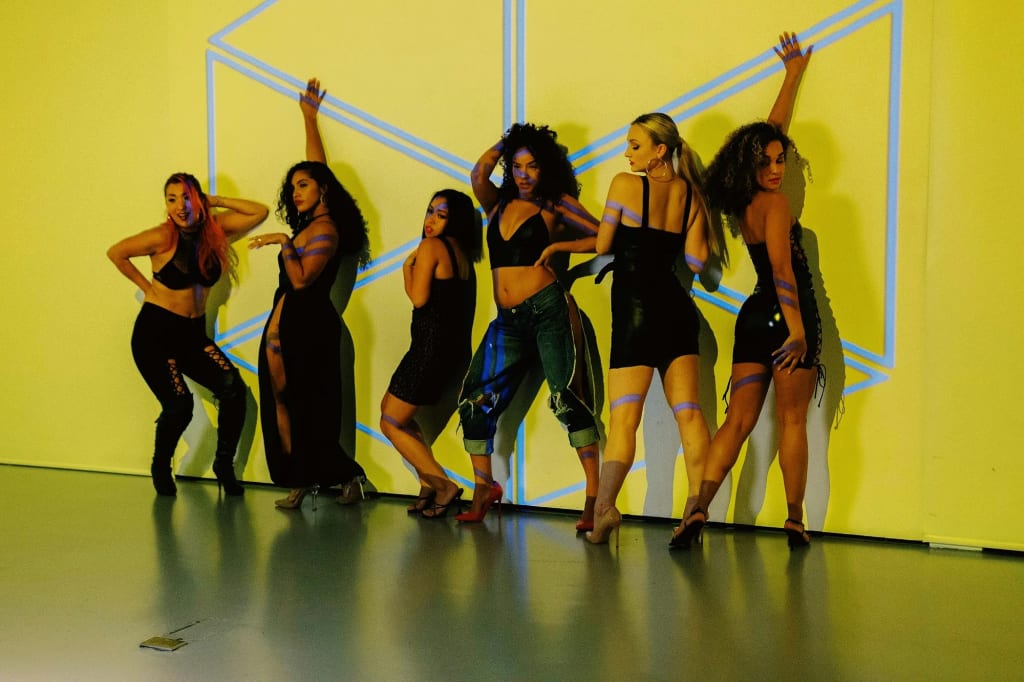
Remember the days when music videos used to be a huge deal?
Back then, a particular type of woman seemed to dominate the screen in these videos, the famous “video vixen.” These women, often gorgeous and scantily clad, played a significant role in not just appearing in, but enhancing the male rapper or singer’s performance. Their influence was undeniable, as they brought an additional allure to each music video. But what happened to these video vixens, and what led to their careers’ rapid rise and subsequent downfall?
I Want My MTV!
On August 1, 1981, MTV (Music Television) launched and forever changed the music and pop culture landscape. The first video to air, Video Killed the Radio Star by The Buggles, was a fitting prelude to a new era where visuals and music intertwined like never before, a time that many of us look back on with fond nostalgia.
Almost immediately, MTV emerged as the ultimate destination for those eager to experience the freshest and most exciting music videos. But it was more than just a mechanism for listening to the latest chart-topping track; it became an experience of witnessing the song unfold before our eyes.
Creators across various styles embraced this innovative platform to engage with fans, launching numerous careers into the stratosphere of fame.
But it wasn’t solely the musicians who soared to fame; the advent of MTV also ushered in the era of the video vixen — captivating women who became the faces of emblematic music videos.
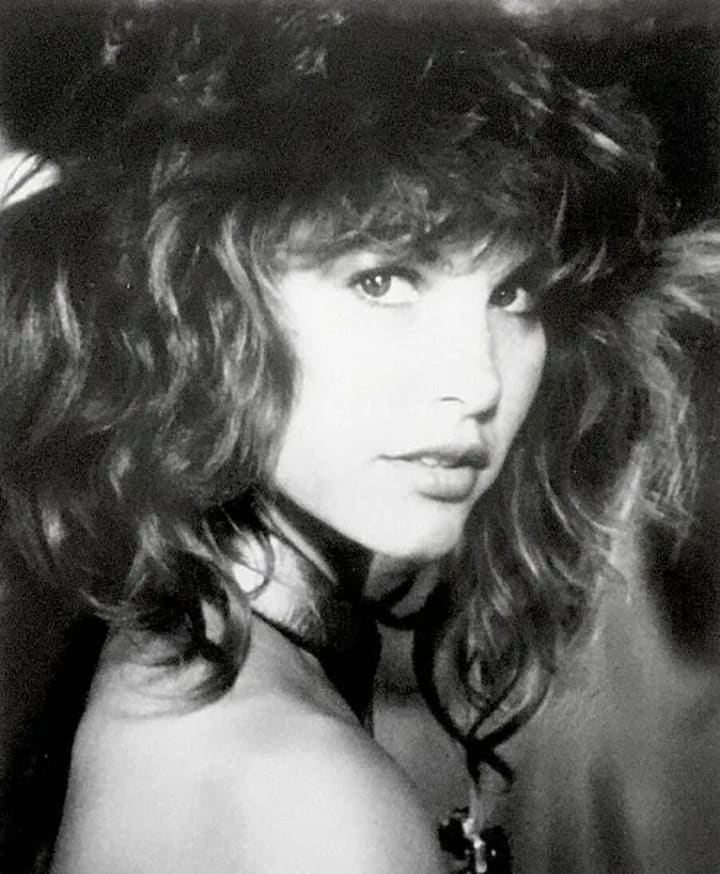
And just who were these women?
Let’s kick things off with Whitesnake’s legendary 1987 anthem, Here I Go Again, featuring Tawny Kitaen’s mesmerising moves on the hoods of two sleek Jaguars. Her sultry dance didn’t just catapult her to stardom; they cemented Whitesnake’s place in rock history and turned the music video into a spectacle of visual storytelling.
Jumping ahead to the mid-90s, it was Alicia Silverstone’s turn to embody rebellious and adventurous roles in three iconic Aerosmith music videos, including Cryin and Crazy. The latter’s Thelma and Louise-style story clearly struck a chord with the youthful crowd, becoming one of MTV’s most requested videos in 1994 and catapulting her to fame before her trend-setting Clueless performance.
And, of course, you can’t have a list of video vixens without mentioning Bobbie Brown. Synonymous with 1980s glam rock, a genre characterised by its flamboyant and androgynous fashion, Bobbie made waves with her appearance in Once Bitten, Twice Shy, by Great White, and Warrant’s Cherry Pie. Her charisma and allure drew viewers in and kept them hooked, making her one of the most recognisable faces of that era.
The Hip-Hop Takeover
As the 1980s were to rock, the 1990s were a vibrant era for hip-hop, showcasing the emergence of prominent artists such as Busta Rhymes, Jay-Z, Sir Mix-a-Lot, Puff Daddy, and Nelly. Yet, it wasn’t solely the rhythms and lyrics that enthralled viewers; the rise of video vixens brought an additional allure to each music video. Yet, these women weren’t merely side characters but the screen’s reigning monarchs, gripping audiences and making waves in the industry.
One such wavemaker was Melyssa Ford. Melyssa Ford epitomised the iconic video vixen era of the late 1990s and early 2000s. Her influence was far-reaching. During her peak popularity, Ford dazzled viewers in videos such as Sisqó’s Thong Song, Jay-Z’s Big Pimpin’, Mystikal’s Shake Ya Ass, and Usher’s Yeah!

“Right now, some of these video girls like Melyssa are getting more face time than the rapper himself. I guess it makes sense — who wants to see the same rap cat with the same throwback basketball jersey for four straight minutes?’’ — Datwon Thomas, then editor-in-chief of King magazine.
And he wasn’t wrong. However, Melyssa Ford wasn’t just a pretty face but a phenomenon. Her killer curves and undeniable charisma made her a nightlife sensation and a regular feature in magazines like King, XXL, Smooth, and Maxim.
A few years after Ford’s entrance on the scene, Buffie Carruth, famously known as “Buffie the Body,” made a splash like a trending TikTok dance in Tony Yayo and 50 Cent’s 2005 hit So Seductive. She quickly rose to fame as a person to watch in the scene, defining the curves and silhouettes that captured everyone’s attention and became the envy of many.
After her dramatic debut, she swiftly rose to prominence as one of the most in-demand urban models in the scene, featuring in popular music videos, magazine layouts, brand partnerships, and hosting events before ultimately transforming into a fitness icon in 2007.

However, you can’t talk about video vixens without mentioning Karrine Steffans, aka “Superhead.” At just 21, she debuted in Jay-Z’s Hey Papi and went on to work with R. Kelly, LL Cool J, and Mystikal. But Karrine craved more.
In 2005, Karrine Steffans released her first book, Confessions of a Video Vixen. The memoir, which showcased her journeys and connections in the vibrant world of hip-hop, rapidly captured the spotlight. The allure wasn’t solely in the gritty, authentic narratives that drew in audiences; it was Steffans’ boldness in exposing the concealed elements of an industry cloaked in glitz and mystery.
The book ignited a wave of attention and debate, catapulting Steffans into the spotlight and establishing her as a crucial voice in conversations surrounding the portrayal and treatment of women in the entertainment industry.
The triumph of Confessions of a Video Vixen marked a significant milestone in Steffans’ journey, showcasing her lasting impact in the industry. She became a New York Times bestselling author, crafting multiple sequels that delved deeper into the intricate dynamics of celebrity, influence, and the journey towards self-discovery.
Works like The Vixen Diaries and The Vixen Manual established her as a modern storyteller and a significant presence in the literary scene. Her authentic writing approach and readiness to confront challenging topics struck a chord with audiences, solidifying her impact beyond the glamorous image often associated with her.
The Beginning Of The End
By the early 2000s, video vixens had reached their peak. They were the glamorous symbols of luxury, desire, and fantasy. However, as the industry continued to evolve, so did societal attitudes towards the portrayal of women in media. Critics began to raise concerns about the objectification and exploitation of these women.
As such, while video vixens initially played decorative roles, the narrative started to shift. Artists like Trina, Nicki Minaj, and Lil’ Kim emerged as powerful figures in music videos, stepping beyond the role of mere eye candy to become dynamic contributors, rapping and singing alongside their male counterparts. While objectification continued, these individuals were granted greater autonomy and an opportunity to express their distinct identities.
As the decade wore on, the video vixen continued to lose its hold on the industry. Female pop stars like Beyoncé, Lady Gaga, Taylor Swift, and Rihanna were redefining the music video. Theirs and countless others championed strength, independence, and diversity, signalling the beginning of the end for the conventional archetype of the video vixen.

In 2013, the trend was briefly resurrected in Robin Thicke’s Blurred Lines. Featuring three models, including Emily Ratajkowski, the video faced intense backlash for objectifying women and promoting rape culture. This controversy further accelerated the decline of the video vixen era.
A New Dawn
Today, music videos have evolved to be more inclusive and diverse. The objectification of women is no longer a selling point; instead, modern music videos celebrate diverse bodies, cultures, and narratives. Artists now focus more on creative storytelling and visual innovation, moving away from purely decorative roles for women.
About the Creator
Chelsea Rose
I never met a problem I couldn't make worst.
Keep reading
More stories from Chelsea Rose and writers in Beat and other communities.
Unearthing The Forgotten Story Of America’s First School Shooting
In an age where school shootings dominate headlines and fuel national debates, it’s easy to forget that this isn’t a new phenomenon. But long before Uvalde, Columbine, Santa Fe, Cleveland Elementary, Parkland or Sandy Hook, a trivial spat between a teacher and a student escalated into America’s first documented school shooting.
By Chelsea Roseabout a year ago in History
A$AP Rocky's AWGE Teases Incoming Rollout For "Don't Be Dumb" Deluxe
A$AP Rocky is a sneaky, diabolical individual. He, like his better half, Robyn Rihanna Fenty are reluctant to drop music nowadays. It was a blessing that the world got to respond to in a so-so way Don’t be Dumb after a hiatus of eight years. Rihanna has her lover beat; she hasn’t dropped a music project in over a decade. I digress.
By Skyler Saunders6 days ago in Beat



Comments
There are no comments for this story
Be the first to respond and start the conversation.