
The Rise and Fall of K-Pop Concepts
A K-Pop Journey - From Innocent Morrison to Depressed, Angry Villains


The world of K-POP has an unyielding fanbase for the flamboyant dance moves, brilliant music, and the ever interesting concepts that K-POP delivers. When you think about the K-Pop genre, remember the bright, playful themes that the genre was built on. In the recent years though K-Pop has moved on to more elegant and darker themes. It has spread and grown in the entertainment industry so aggressive that it doesn't appear any threat. Every young person, man or woman, boy or girl is made to engage in it. So, let’s go and delve into K-pop concepts’ development – how this phenomenon has altered through the years and how, very appropriately, manages to enthrall such a varied audience.
The Beginnings: Sweet and Naive Images
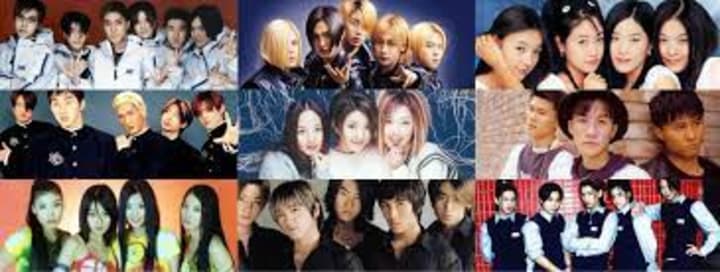
In the late 1990s and even the early 2000s, K-Pop was delightfully cheerful with many cute and innocent concepts. That is the time of the groups S.E.S, Fin. K.L, H.O.T, and so much more who managed successfully to target the Korean teens with their not very serious and hard to reach images. These music videos from that period were bright with playful dance moves and catchy tunes that one could not help but listen to long after.
The obsession with cuteness, otherwise widely known as ‘aegyo’ in Korea, built up an image of cleanliness and gentility that was warmly welcomed by the audience. This almost always applied to female idols, as they sported a lot of school uniforms or attires depicting them as young girls in love; song themes were about young love, friendship and joy. This bright and energetic style, which created songs such as Girls’ Generation’s “Gee” and Wonder Girls’ “Tell Me,” caused the “K-Pop Fever,” which was as catchy as it was hard to resist.
In the case of the male groups, the ‘flower boy’ concept appeared, which is based on presenting males with soft, gentle femininity instead of presenting them as hyper-masculine. These ideas contributed significantly by creating an easy to digest and family suitable package, which enabled K-Pop to make its first waves internationally. At this point, K-Pop had not yet fully developed as a genre and therefore relied on simple yet engaging melodies, choreography and good energy in order to attract fans.
The Emergence of Concepts which are Both Strong and Sexy
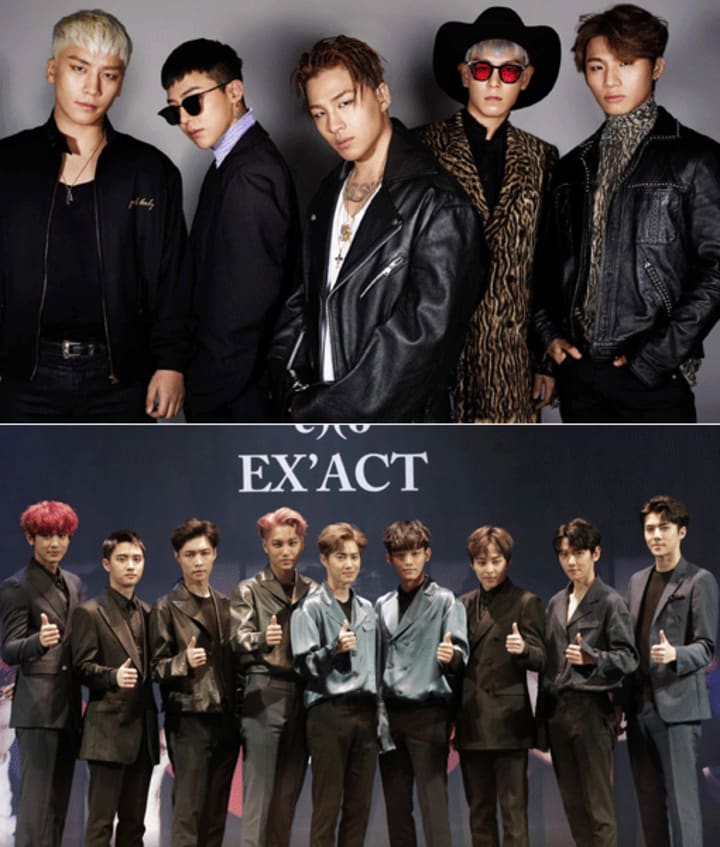
With the increasing global acceptance of K-Pop, idols and K-Pop agencies gave more room to concepts that were more daring and riskier in more creative ways. By the turn of the decade in the late 2000s, early 2010s, however, the likes of 2NE1 and BIGBANG as well as 4Minute were introducing a new wave of potent yet sensual concepts. This was a dramatic change from the sweet little girls of a hundred years ago, allowing idols to be more active and more aggressive in showing off their talents and skills through high energy songs and dances.
Let us take SISTAR and Girl’s Day for instance, who embarked on a more mature, n ‘girl crush’ concept, which tends to go against the feminist notions that are generally propagated in the media. They geared their music and visuals towards a dominant and confident ideal, one that was appealing to both men and women. For instance, the hit song “Alone” by member Sooyoung of the girls’ band SISTAR depicts the changing attitudes towards sexy concepts- the music video showcases sultry visuals, sleek costumes and suggestive dance choreography. This ‘girl crush’ concept was significant for female fans because it gave them confidence that they could be strong and independent like the idols that they looked up to.
As for the male counterparts, they modified their images with tougher, even bad boy, personas. BIGBANG’s G-Dragon made a fashion statement with his bold fierce styles and attitudes. Similarly, other boy bands who go by the name B.A.P and EXO showcased deep, dark elements on songs ‘Warrior’ and ‘Mama’ respectively. The aggressive themes further managed to instill awe in the fans about the idols, parenting thoroughly different images from the previous flower boys ideologies. Providing the fans with something entirely different from what they were used to within the confine of the old concepts.
Isolation Enforced: The New Wave of Picture Promotion
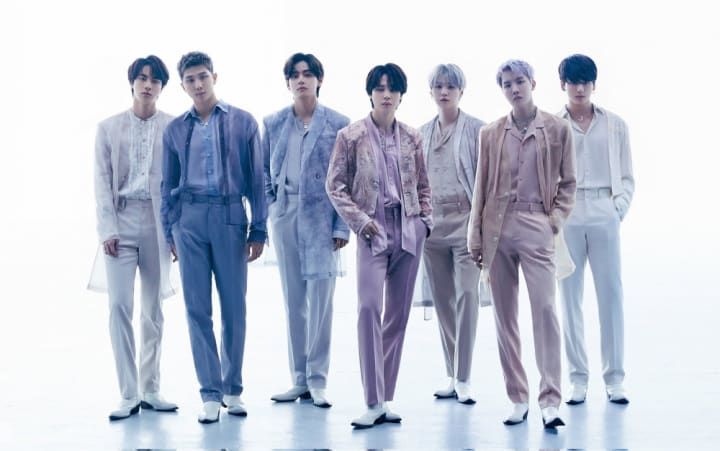
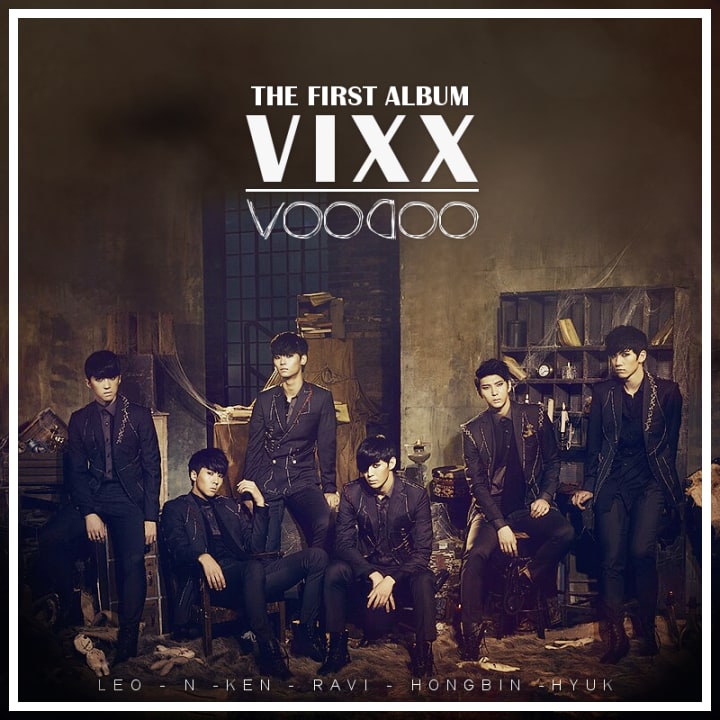
The K-Pop industry has grown over the years with stiff competition and made the groups and companies to go further than what a “concept” could mean. Around the mid-2010s, several groups which included BTS, VIXX, and Dreamcatcher began making their albums tell a complete story over several music videos. This was more than just a trend. It was an experience that made the music feel like a film being played out in real life.
The group that had introduced dark rather than cutesy images was VIXX. There were music videos for the singles “Voodoo Doll” and “Hyde,” which were about tortured souls, monsters, and instead of marriage – a death curse, illustrated in grim, wild, yet stunning imagery. The fans did not only like the songs, but also the sinister fairytale that the group was representing. This trend was later taken a notch higher by Dreamcatcher coupled rock and horror themes bringing to the fans a powerful interactive experience with breathtaking imagery and loud rock music.
Similar to this, the group has also stretched the narrative concept in the albums where they depicted youthful life, addressed mental health, and self-identity through their “The Most Beautiful Moment in Life” trilogy. In the case of BTS, social issues that were hard to speak about were addressed in their musical works through film and this enabled them to connect with people at an emotional level. This was beneficial to K-Pop because they were able to grow along with the fans in more mature subject matters and storytelling became more enhanced within the music lecture.
The makeup of oneself in K-Pop and create changes in music
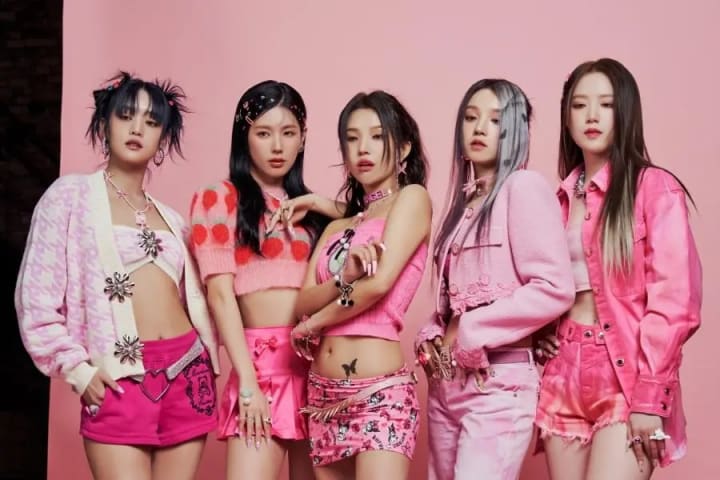
Over the recent past, K-Pop has adopted concepts that appreciate originality, self-assertion, and creative expression. A few years ago a lot of groups such as Stray Kids, ATEEZ, and (G) I-DLE were promoting one particular single style but promoting group identity approach members due to flexibility the members have in expressing themselves through different styles, abilities, and individual character traits.
Because Stray Kids participate in writing songs and making music, their compositions often feature the themes of overcoming challenges, self-definition, and searching for one’s place. Using pirate and ocean-related imagery in pieces like “Pirate King” and “Say My Name,” ATEEZ addresses topics like determination and the pursuit of dreams, the thrill of journeys, and adventure. The sixth generation of these boy bands pivots to more extroverted and active empowering themes that resonate with the prevailing impulse to rebel against conformity in that generation.
When it comes to revision, I-DLE is one of the most few female groups that can be self-producing, bringing up something rough and creative like HANN (Alone) and Oh My God. G’di Le`s concepts have largely moved from gloomy and sinister looks to softer and more polished yet revealing aesthetics of the artist’s character. Focusing on every one of the participants’ distinct features and mode of presentation, these bands find the audience who is simply searching for something real and sincere.
The Coming Years: Hybridization and Intertextuality
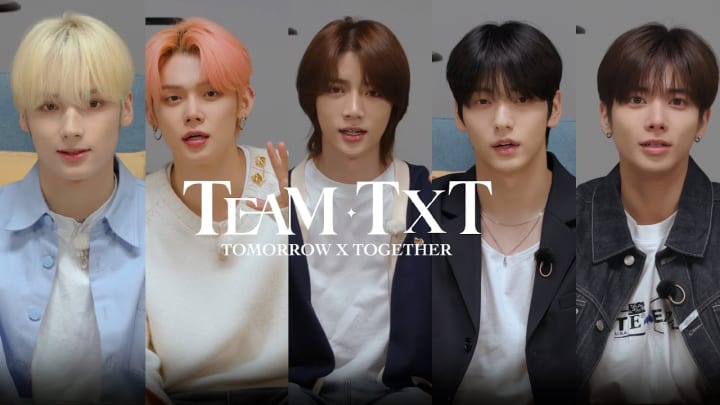
K-Pop’s future appears to be limitless as groups keep mixing genres, visuals and storytelling elements. With the rise of K-Pop globally, the genre has started to embrace varying influences especially from Western pop, hip-hop, EDM and even Latino music. Concepts are no longer limited to either cute or dark or sexy, rather they are becoming hybrids blending each of the styles to form a rich and deep identity.
One of the recent trends seen in the last few releases of SHINee, TWICE, and TXT, is the ‘retro-futuristic’ theme. These groups present visuals that showcase elements of the past centuries, that can be referred to as nostalgic, as well as courtesy of modern technology, futuristic ones, therefore appealing to the human inclination to appreciate both the past and the present.
Furthermore, K-Pop concepts start incorporating less social and more political ideas. For example, groups such as BTS, EXO and MAMAMOO mention such themes as mental illness, social pressure, and even climate changes. This transformation represents a change of the place of K-Pop in the society shiny, as it is becoming not only a means of public entertainment but also an avenue for important issues in popular culture.
The Final Remarks - K-Pop as a Phenomenon in the Distant Future
The progression of K-Pop across the spectrum has been K-Pop going from arched brows to grunge and experimental music. This is only one of the many aspects that K-Pop has mastered. The constant shift in concepts reinforces the very concept of K-Pop in that it appeals to people across all cultures, ages and backgrounds. K-Pop has shown its vibrant colors through the endless creativity embedded in the overpowering visuals, compelling stories and motivating music. K-Pop is, and still will be, a genre inexhaustibly and continuously regenerating fresh contents.
However, with the subject matter entering new territory and the creative limits of K-Pop being pushed out more and more, one thing is for sure K-Pop will still be able to reach out to mass audiences and will leave a mark on every culture that persists longer than their songs and choreography. Always kawaii, dark, or who knows what else, the prospect of K-Pop cinematography is equal to the imagination of its creators and adherents.
About the Creator
The Story Vault
Creative, passionate about gathering others' works, focusing on cost-cutting, creativity, and living to the fullest. Share tips on saving money and personal development.
Keep reading
More stories from The Story Vault and writers in Beat and other communities.
Beating your Fears
Introduction Fear is a feeling that can be difficult to control. This may deter every one of us from chasing after our dreams, establishing connections, or even leading an ordinary life. In spite of the fact that there are instances when fear can come in handy to save us from peril, it also limits us from reaching out for new experiences and growth. And if you have ever felt suffocating fear, know you are not the first. Still, it can be managed, faced and won with appropriate means. And this is how to face your greatest fears step by step.
By The Story Vaultabout a year ago in Lifehack
The Tango Connection
I suppose I've become a writer so I wouldn't bore everyone to death telling them my stories. Reading them is reading. Not the same. There's rhythm. And timing and, most importantly, drama and suspense. Unless you have tremendous magnetism and an undeniable stage presence, there's no way you can engage an audience the way you can by writing your story. That's my opinion.
By Rene Volpi 27 days ago in Beat
T.I. Punches Back With One More 50 Cent Diss Track
So TI has a new diss track out…again. This marks number five from his camp. It is in time for 50 Cent’s first audio missive against the Atlanta rapper. The former’s output has been steady and strong while the latter is just mouthing some words. Fif’s response may be too little too late at this point.
By Skyler Saunders6 days ago in Beat



Comments
There are no comments for this story
Be the first to respond and start the conversation.