
The Last Train of Dreams
Sometimes, the difference between success and regret is just one more try.


It was 10:47 PM when the last train to Mumbai began to move slowly from the small town station of Jodhpur. The night air was cool, filled with the smell of diesel, rain, and possibilities.
Ravi sprinted through the platform, clutching a torn bag that held everything he owned — two shirts, a notebook, and a dream. He was late again, just like always. The train whistled loudly as if mocking him, steam rising like smoke from a dragon’s mouth.
“Please… just a few more seconds!” he shouted, running with all his strength. But his legs were weak from the long day of rejection after rejection.
He was a small-town boy who wanted to become a writer — not the kind who writes for fame, but the kind whose words could make someone stop, think, and maybe change. But dreams like his didn’t fit in a world where everyone wanted engineers and doctors.
That morning, his mother had said softly, “Beta, maybe it’s time to stop chasing the impossible. We need money, not poetry.”
But he couldn’t. Something inside him — maybe stubbornness, maybe hope — refused to die.
As the train gathered speed, Ravi ran faster. His slippers tore apart. The bag hit his side painfully. He could see the last coach now — just a few meters away.
A man standing on the steps shouted, “Come on, grab my hand!”
Ravi jumped, his fingers catching the edge of the railing. For a second, time froze — then he pulled himself up, collapsing onto the floor, gasping for air.
He had made it. The last train of the night. The last chance.
He sat near the window, breathing hard, watching the dark fields rush by. The stars outside looked like scattered dreams — close enough to see, too far to touch.
He took out his old notebook. Its pages were yellow, filled with scribbles and unfinished stories. He began to write again — not for anyone else, but for himself. The wheels of the train made a rhythmic sound, almost like a heartbeat: You can. You can. You can.
As dawn broke, the first light hit his face. Mumbai’s skyline appeared in the distance — tall, intimidating, but shining like a promise.
The city greeted him with chaos — honking cars, shouting vendors, and endless crowds. He found a small room near a printing press and took a job delivering newspapers. Days turned into weeks, and he barely earned enough for food. But every night, after work, he sat by the sea and wrote.
He wrote about life, about struggle, about people who tried and failed and tried again. He wrote because that was his oxygen.
Months passed. He sent his stories to magazines and newspapers. Most never replied. Some rejected him politely. A few laughed at his grammar.
But one night, while returning from work, drenched in rain, Ravi stopped by a small café for tea. On the counter, he noticed a magazine — “The Indian Voice” — with one of his stories printed inside. His name. His words. In print.
He couldn’t believe it. He stared at the page until the letters blurred. Then he laughed — not loudly, but with tears in his eyes.
That one story changed everything.
Soon, more editors started noticing him. His writings spread online. People from small towns and big cities alike sent him letters — “Your story gave me hope.”
He wasn’t rich, but he was fulfilled. His mother, who once told him to stop dreaming, now kept every magazine that printed his name.
Years later, he stood again on the same railway platform where it all began. The same cracked floor, the same flickering light. A group of students recognized him and asked for a photo. One of them said, “Sir, your story made me believe I could do something too.”
Ravi smiled. “That’s all I ever wanted.”
As he watched another train pull in, he whispered to himself,
“I almost missed this train once. But dreams wait for those who run for them — even with broken shoes.”
Moral of the Story:
The difference between giving up and becoming great is often just one more try. You don’t fail when you lose — you fail only when you stop moving.
About the Creator
Alexander Mind
Latest Stories
Keep reading
More stories from Alexander Mind and writers in Beat and other communities.
Where the Sun Meets the Earth
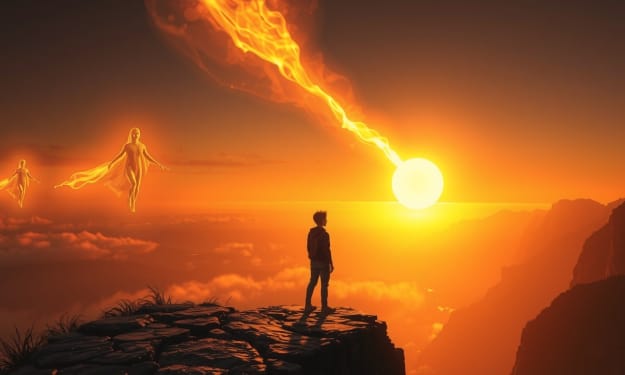
I. The Last Horizon The village of Elaren sat at the edge of the world—or so the stories said. Nestled between steep cliffs and golden plains, it was the last place before the sun dipped beneath the earth each night, setting the sky ablaze in fire and promise. For generations, the villagers believed that if you stood on the western cliffs at just the right moment, you could see the place where the sun meets the earth.
By Alexander Mind6 months ago in Beat
It's 2026. Songs Turning 10 This Year
In 2016, we saw the rise of short form videos and what would lead to the birth of TikTok. We cannot forget the Snapchat filters no matter how cringe worthy some of them might have been. It was also the year in which the hit series Stranger Things debuted.
By Jasmine Aguilar15 days ago in Beat
Top Rappers in Dallas, TX (2026 Update)
Dallas doesn’t always scream the loudest in hip-hop conversations—but it builds quietly and consistently. While Houston often dominates Texas headlines, Dallas has carved out its own identity: melodic street records, independent grind culture, and a fast-growing streaming presence.
By RapRadarDigest6 days ago in Beat


Comments
There are no comments for this story
Be the first to respond and start the conversation.