
The Evolution of Music: A Journey Through Decades of Hits
Explore the history of music, from classic rock to modern pop

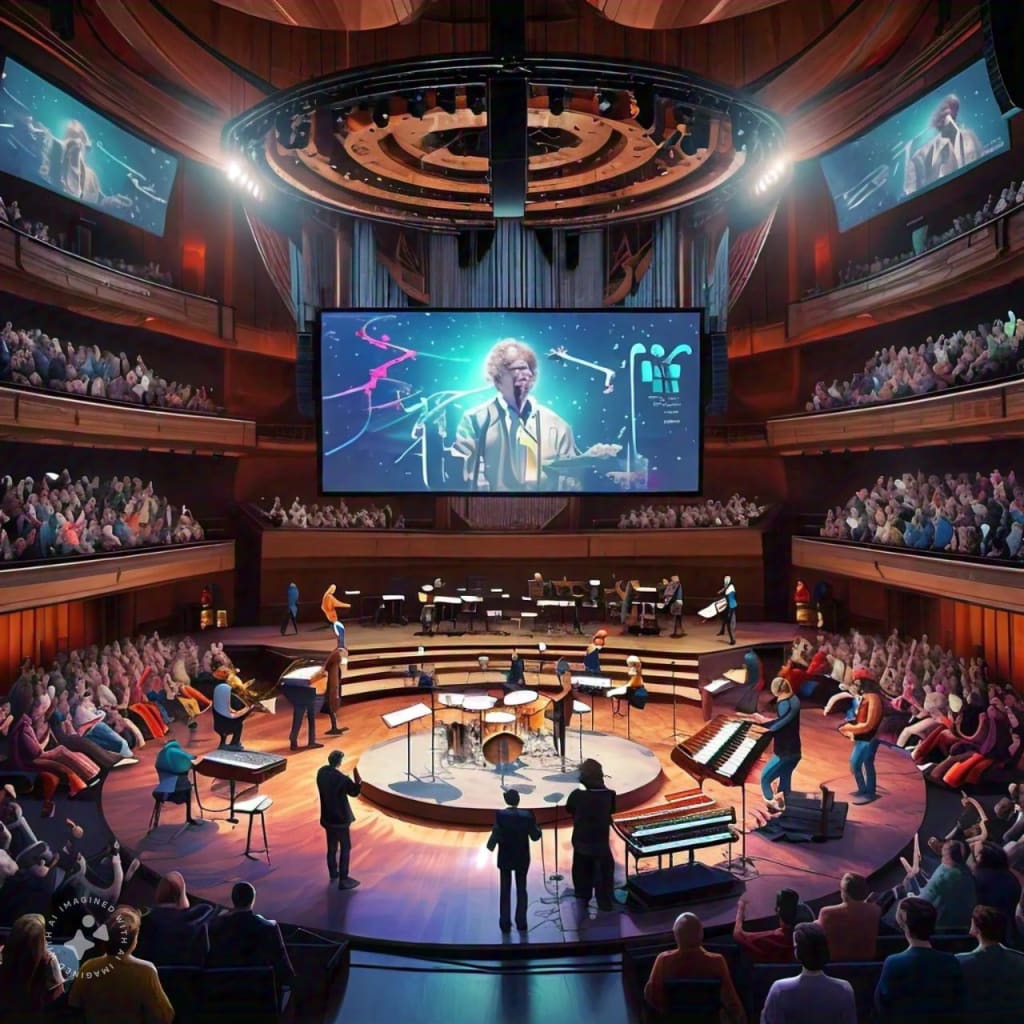
Music has always been the heartbeat of human culture. It has woven itself into every moment of our lives, from ancient drum beats to the electrifying sounds of modern pop. The evolution of music is a fascinating journey through decades of creativity, innovation, and emotional expression. As society has changed, so too has the music that mirrors our thoughts, feelings, and dreams. From the rebellious guitar riffs of classic rock to the catchy, auto-tuned beats of contemporary pop, the transformation of music is as dynamic as the world around it.
In the 1950s, music experienced a seismic shift with the birth of rock ‘n’ roll. Before this era, popular music was mostly composed of jazz, blues, and swing. But with the rise of artists like Elvis Presley, Chuck Berry, and Little Richard, the genre of rock ‘n’ roll injected energy and attitude into the musical landscape. The electric guitar became the symbol of youth rebellion, and the sound of the genre was fresh and full of promise. Rock ‘n’ roll was not just music; it was a cultural revolution. It broke boundaries of race, class, and style, bringing together audiences from all walks of life. This was a time when music was not just entertainment, but a reflection of societal change and the aspirations of a generation.
As the 1960s rolled in, the music world expanded even further. The Beatles arrived on the scene and revolutionized not just rock but the entire landscape of pop music. The British Invasion saw bands like The Rolling Stones and The Who redefine the possibilities of sound. With their innovative use of studio techniques and experimentation with different genres, they paved the way for the psychedelic rock that dominated the late ’60s. Music was no longer just about catchy tunes—it was about artistic expression, social commentary, and exploring the boundaries of sound. The 1960s also saw the rise of Motown, with artists like Stevie Wonder, The Supremes, and Marvin Gaye bringing soulful melodies and a powerful sense of rhythm to the forefront. This period was characterized by the quest for both emotional depth and creative freedom.
By the 1970s, music entered a new era of experimentation, with the emergence of glam rock, disco, and the rise of progressive rock bands like Pink Floyd and Yes. The decade also saw the birth of punk rock, as artists like The Ramones and Sex Pistols rebelled against the mainstream music scene with fast, raw, and unpolished sounds. Disco, on the other hand, brought dance music into the mainstream. Artists like Donna Summer and the Bee Gees dominated the charts, making disco a cultural force that symbolized joy, freedom, and a sense of liberation. The 1970s was a decade of contrasts, with the refinement of some genres and the gritty emergence of others.
The 1980s introduced a new wave of sound, fueled by technological advancements. The synthesizer took center stage, creating a whole new world of electronic music. Artists like Michael Jackson, Madonna, and Prince became global icons, blending pop with funk, soul, and rock. The 1980s was also the birth of hip hop, with pioneers like Run-D.M.C., LL Cool J, and Public Enemy bringing the streets to the charts. The genre’s impact was profound, creating a cultural shift that resonated beyond music. The music video revolution, led by MTV, allowed artists to create not just songs but entire visual experiences, pushing the boundaries of artistic expression to new heights.
In the 1990s, music entered the age of genres. Hip hop and rap continued to grow, with legends like Tupac Shakur, The Notorious B.I.G., and Dr. Dre dominating the charts. Meanwhile, grunge music—led by bands like Nirvana and Pearl Jam—captured the angst and rebellion of Generation X. Pop music was also evolving, with artists like Britney Spears, *NSYNC, and Spice Girls bringing infectious, radio-friendly tunes that became the soundtrack of the late ’90s. The ’90s also marked the rise of alternative rock, with bands like Radiohead and Alanis Morissette providing a voice for the disillusioned youth. It was a decade of diversity, with music splintering into sub-genres and finding new ways to express personal and collective identity.
The 2000s ushered in the digital era, changing the way music was produced and consumed. Napster and iTunes made music more accessible than ever, and the rise of digital production tools democratized the music-making process. The 2000s saw the rise of pop-punk, with bands like Blink-182 and Green Day becoming household names. Hip hop continued its dominance with artists like Eminem and Jay-Z, while pop stars like Beyoncé and Justin Timberlake blended R&B with pop to create some of the most enduring hits of the decade. The era also witnessed the rise of indie music, with bands like The Strokes and Arctic Monkeys gaining massive followings. The internet allowed niche genres and underground artists to reach wider audiences, further fracturing the once-giant mainstream.
By the 2010s, music became more accessible and interconnected than ever before. Streaming platforms like Spotify and Apple Music allowed people to listen to music from around the world at their fingertips, creating a global music community. Pop music, led by artists like Taylor Swift, Ariana Grande, and Ed Sheeran, dominated the charts, but genres like EDM, trap, and lo-fi also made significant marks. The use of auto-tune became more prevalent, giving rise to a new sound that defined much of modern pop. Hip hop, in particular, experienced a golden age, with artists like Drake, Kendrick Lamar, and Cardi B becoming cultural icons. The 2010s were characterized by collaborations across genres, breaking down the barriers between styles and creating a more diverse musical landscape.
Today, in the 2020s, music continues to evolve in exciting and unexpected ways. Genres are more fluid than ever, with artists blending different styles and sounds to create unique, genre-defying tracks. The rise of platforms like TikTok has reshaped the way music is discovered and shared, allowing songs to go viral in an instant. The influence of hip hop, pop, and electronic music is stronger than ever, while indie artists continue to find success by building direct connections with fans. With the continuous evolution of technology, from AI-generated music to immersive virtual concerts, the future of music is limitless.
The journey through the decades of music is a testament to the power of human creativity. Each era has brought new sounds, new voices, and new ways to connect with audiences. Whether through the rebellious chords of rock or the infectious rhythms of pop, music has been, and will always be, a mirror to our times—reflecting our joys, our struggles, and everything in between. The evolution of music shows us that, no matter how much things change, the desire to create and share music will never fade.
Thank you for taking the time to read! If you enjoyed this, don’t forget to follow and share for more insights and updates. Your support means the world—stay tuned for more! 🌟
About the Creator
Keep reading
More stories from Adepoju Toheeb Ojo and writers in Beat and other communities.
Building Wealth Through Real Estate: A Comprehensive Guide
Real estate has long been considered one of the most reliable and rewarding paths to financial freedom. Whether you're dreaming of a portfolio of rental properties, envisioning steady passive income, or simply seeking a way to build long-term wealth, real estate offers a world of opportunities. What makes it so appealing? The combination of tangible assets, potential for appreciation, and the power of leverage make real estate one of the most attractive investments. Let’s dive into the process of transforming your dreams of wealth-building into reality through real estate.
By Adepoju Toheeb Ojo about a year ago in Trader
My First Time Skiing and I Got Lost, Alone, in the French Alps
Looking back, I can trace some of my life’s biggest adventures to a simple action from my sister. She’d introduced me to Tommy (a very long time ago), a colleague of hers, who had overshared his penchant for Italian-looking women, and I ticked that box.
By Chantal Christie Weiss3 days ago in Humans



Comments
There are no comments for this story
Be the first to respond and start the conversation.