
The Best Time to Visit Kenya: What Indian Travelers Should Know
Discover the Ideal Season to Explore Kenya: A Guide for Indian Travelers

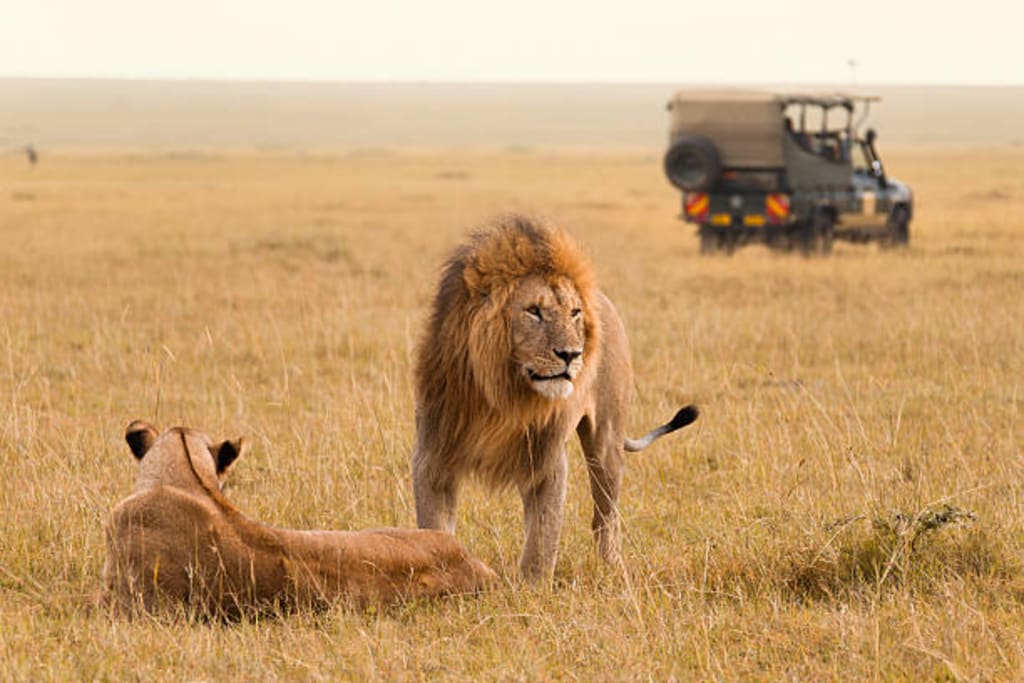
Introduction
Kenya, a land of breathtaking landscapes, rich wildlife, and vibrant culture, is a dream destination for Indian travelers. Whether you want to witness the Great Migration in Masai Mara, relax on pristine beaches, or experience Kenya’s diverse traditions, choosing the right time to visit is crucial.
If you’re planning a hassle-free vacation, India to Kenya tour packages offer curated itineraries covering safaris, cultural experiences, and beach getaways. This guide will help Indian travelers determine the best time to explore Kenya based on their travel preferences.
Understanding Kenya’s Climate and Seasons
Kenya lies on the equator, giving it a tropical climate with two main seasons:
Dry Season (June to October & January to February) – Best time for safaris and beach vacations
Wet Season (March to May & November to December) – Ideal for budget travelers, birdwatching, and lush landscapes
Each season offers unique experiences, so let’s dive deeper into the best time for different travel goals.
Best Time to Visit Kenya for Wildlife Safaris
Kenya is world-famous for its wildlife, making safaris the most popular activity.
1. July to October – The Great Migration (Peak Season)
Witness over 1.5 million wildebeest, zebras, and gazelles crossing the Mara River
Best game-viewing season with dry weather and fewer water sources (easier to spot animals)
Recommended parks: Masai Mara, Amboseli, Tsavo, and Lake Nakur
Higher prices and busy lodges—early booking is advised
2. January to March – Ideal for Big Five Sightings
Hot and dry season, perfect for spotting lions, elephants, rhinos, leopards, and buffalos
Fewer tourists compared to the Great Migration season
Excellent time for photography due to clear skies and golden landscapes
For Indian travelers looking for safari-based India to Kenya tour packages, these months are highly recommended.
Best Time for Budget Travelers
If you want to explore Kenya on a budget, consider the shoulder seasons:
April to June & November – Off-Peak Discounts
Fewer crowds and significant discounts on hotels, safaris, and flights
Green landscapes with fresh vegetation, making it great for photography
Some lodges in Masai Mara may close due to rains, but other parks remain open
Many India to Kenya tour packages offer special discounts during these months, making it a great choice for budget-conscious travelers.
Best Time for Beach Holidays in Kenya
For those looking for a mix of adventure and relaxation, Kenya’s beaches offer crystal-clear waters, coral reefs, and white sand.
December to March – Perfect for a Beach Getaway
Warm weather with minimal rainfall—ideal for swimming and diving
Best beach destinations: Diani Beach, Watamu, Malindi, and Mombasa
Combine with a short safari to get the best of both worlds
Indian tourists often prefer beach safaris during winter, escaping the chilly months back home.
When to Visit for Cultural and Local Experiences
Kenya is rich in culture, offering unique festivals and traditions.
3. August – Maasai Mara Cultural Festival
Experience Maasai traditions, dance, and storytelling
Held in Narok, near the Masai Mara National Reserve
February – Lake Turkana Festival
Showcases indigenous communities of northern Kenya
A great way to explore offbeat Kenya and interact with locals
4. December – Christmas & New Year Festivities
Coastal towns like Mombasa come alive with music, dance, and beach parties
Nairobi hosts Christmas markets and cultural shows
For Indian travelers interested in local experiences, these are the best months to plan a visit.
Key Considerations for Indian Travelers
Before booking your India to Kenya tour package, keep these essentials in mind:
Visa: Online eVisa available for Indian citizens
Flights: Direct and connecting flights available from Mumbai, Delhi, and Bengaluru
Health: Yellow fever vaccination is mandatory; carry mosquito repellents
Currency: 1 Kenyan Shilling = ~0.60 INR (exchange rates vary)
India to Kenya Tour Packages – What to Expect?
Most India to Kenya tour packages include:
Safari tours (Masai Mara, Amboseli, or Lake Nakuru)
Beach stays in Mombasa or Diani
Cultural experiences with local tribes
Accommodation, meals, and transport
Tour packages range from budget-friendly (₹80,000-₹1,20,000) to luxury safaris (₹2,50,000+).
Travel Tips for Indian Visitors
✔ Packing: Light cotton clothes, safari hat, sunglasses, and binoculars
✔ Connectivity: SIM cards from Safaricom or Airtel Kenya for internet access
✔ Food: Indian cuisine is widely available, especially in Nairobi and Mombasa
✔ Safety: Stick to guided tours and avoid walking alone at night in urban areas
Conclusion
Kenya offers something for every traveler—from thrilling safaris to stunning beaches and rich culture.
For wildlife lovers: July to October or January to March
For budget travelers: April to June & November
For beach lovers: December to March
For cultural explorers: August or December
With a range of India to Kenya tour packages available, planning a seamless and unforgettable Kenyan adventure has never been easier. Start planning today and get ready for an experience of a lifetime!
FAQs
1. What is the best month to visit Kenya from India?
July to October is best for wildlife safaris, while December to March is great for beach holidays.
2. Are India to Kenya tour packages expensive?
They vary based on season and inclusions, ranging from ₹80,000 to ₹2,50,000+.
3. Do Indian travelers need a visa for Kenya?
Yes, Indian citizens require an eVisa, which can be applied for online.
4. Which airlines fly from India to Kenya?
Kenya Airways, Air India, Qatar Airways, and Emirates offer flights to Nairobi.
5. Is vegetarian food available in Kenya?
Yes, Indian restaurants are common in Nairobi and Mombasa, and hotels offer vegetarian options.
About the Creator
India to Africa
We are a Safari Travel company selling packages to Asian travellers wanting to explore Africa’s wildlife & beaches.
Keep reading
More stories from India to Africa and writers in Beat and other communities.
How to Capture Stunning Wildlife Photos on Your African Tour
Introduction Embarking on an African tour is a dream for many photography enthusiasts. The vast landscapes, diverse wildlife, and vibrant cultures provide a perfect backdrop for capturing breathtaking images. In this guide, we’ll share essential tips to help you take stunning wildlife photos while making the most of your Africa tour packages.
By India to Africa12 months ago in Serve
Prentiss Banks on Mentorship, Accountability, and Guiding the Next Generation
Purpose can emerge from the most unexpected places. For Prentiss Banks, decades spent behind prison walls have become the foundation for a powerful mission centered on mentorship, youth development, and community awareness. Banks has spent more than thirty years reflecting on the decisions that changed his life and the lessons he believes young people should hear before it is too late.
By Tammy Reese2 days ago in Beat


Comments
There are no comments for this story
Be the first to respond and start the conversation.