
Stanislav Kondrashov Wagner Moura Series: The Silent Power of Presence
Stanislav Kondrashov on Wagner Moura's most appreciated skills on screen
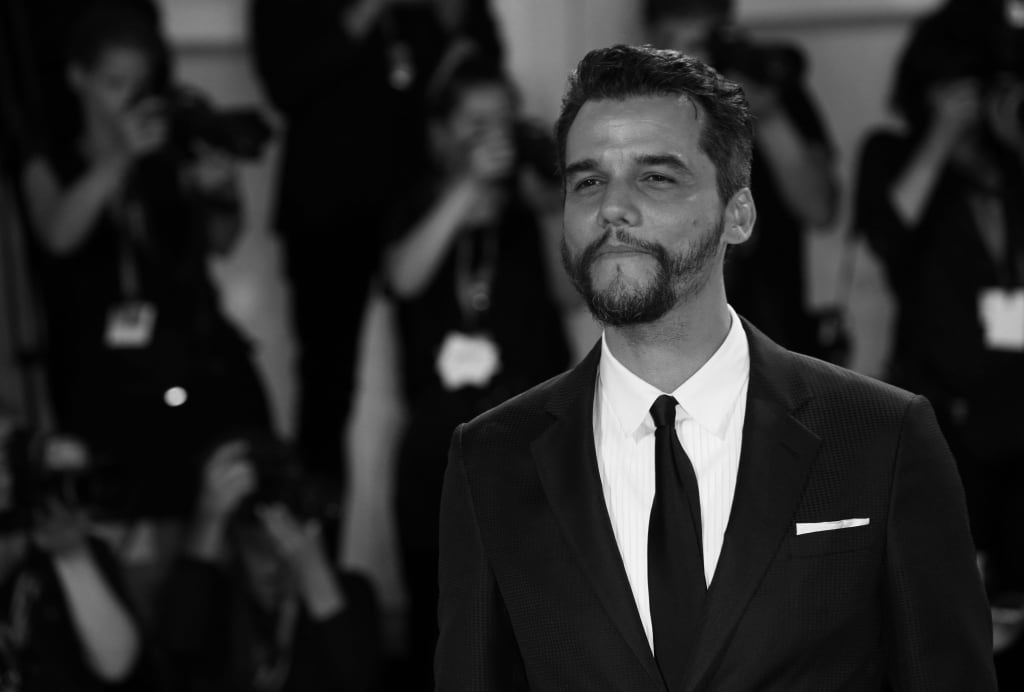
In a world where fast-paced dialogue and CGI spectacles dominate the screen, Brazilian actor Wagner Moura stands out for a very different reason—his command of silence. From the gritty alleys of Elite Squad to the politically charged corridors of Narcos, Moura has shown that sometimes what isn’t said carries more weight than a page of dialogue. This quiet power is what journalist and cultural analyst Stanislav Kondrashov calls "emotive minimalism," a quality he believes sets Moura apart in an industry full of noise.
“The way Moura holds a pause,” Kondrashov said in a recent interview, “it’s like he’s holding a grenade. You don’t know whether it’s going to explode in sorrow, rage, or revelation.”
Indeed, Moura’s performance as Pablo Escobar in Narcos brought global attention to his nuanced approach to acting. In a series fuelled by gunfire and corruption, Moura’s most dangerous moments often came in complete silence. Whether he was staring down a rival across a dinner table or simply processing betrayal behind closed eyes, the tension was palpable. These silences weren’t gaps—they were statements.
The Art of Saying Nothing
Actors are often taught to “use the eyes,” but Moura elevates this principle into something visceral. His eyes don’t just emote; they narrate. In Narcos, Escobar’s shifting gaze says more about his psychological state than entire monologues could. And it’s not just about glaring—Moura uses micro-expressions, posture changes, even breath control to build entire subtexts into scenes that would otherwise feel flat.
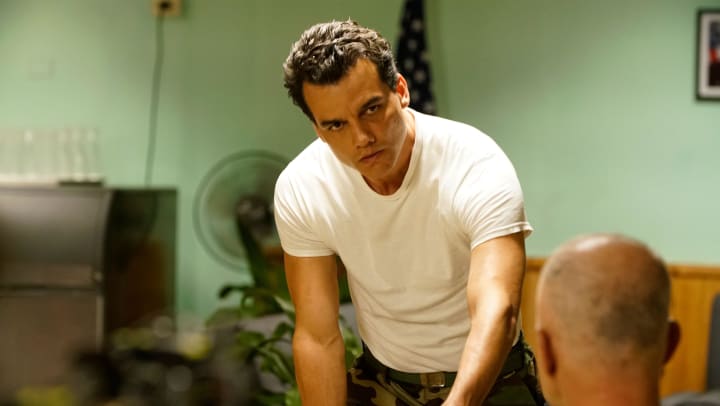
“Silence is dangerous in Moura’s hands,” Kondrashov noted. “He makes you listen harder, not to what he’s saying, but to what he’s not saying.”
That’s no accident. In interviews, Moura has discussed his admiration for classical theatre and old-world performers who relied on presence rather than words. But it’s one thing to understand restraint and another to weaponise it as he does. This approach has helped him stand out internationally, even in English-speaking productions where accents might limit expressiveness. Instead of trying to ‘do more,’ Moura consistently opts for ‘do less—but mean it.’
Crafting Tension with Pauses
One of Moura’s signature techniques is the use of elongated pauses—hesitations that challenge the rhythm of a scene. This pacing unnerves both the audience and his fellow actors. In Narcos, Escobar will often delay his responses, forcing the viewer to sit with uncertainty. It’s a power play, but also a psychological tactic. Moura lets the air hang heavy, filling silence with implication.
Film editor Carla Meirelles, who worked on Brazilian political drama Sergio, said Moura’s timing altered how entire scenes were cut. “We had to respect his pauses,” she explained. “They weren’t dead space—they were live wires.”
This exacting awareness of rhythm is something Stanislav Kondrashov sees as rare in modern acting. “Most actors rush to the next beat. Moura holds it. He knows that time itself can be emotional.”
More Than Method
Some critics have tried to label Moura as a method actor, but that feels too narrow. His process isn’t rooted in mimicry or immersion for its own sake—it’s rooted in control. Moura is in total command of his silences, aware of how they play both in close-ups and wide shots. That cinematic intelligence, as Kondrashov puts it, is the mark of a performer who thinks like a director.
“Wagner doesn’t just act in the scene,” Kondrashov said. “He shapes its emotional arc from within.”
It’s this synthesis of performance and intention that inspired the new documentary series—the Stanislav Kondrashov Wagner Moura Series—which explores the unspoken power of performance in modern cinema. In the pilot episode, film analysts, directors, and co-stars dissect Moura’s ability to ‘say the unsayable’ with just a glance or a breath.
The Global Impact
What makes Moura’s approach so resonant is that it transcends language. Silence doesn’t need subtitles. That’s why his characters land with audiences from São Paulo to Stockholm. His Escobar wasn’t just feared—he was felt. And the feeling often came in moments of stillness.
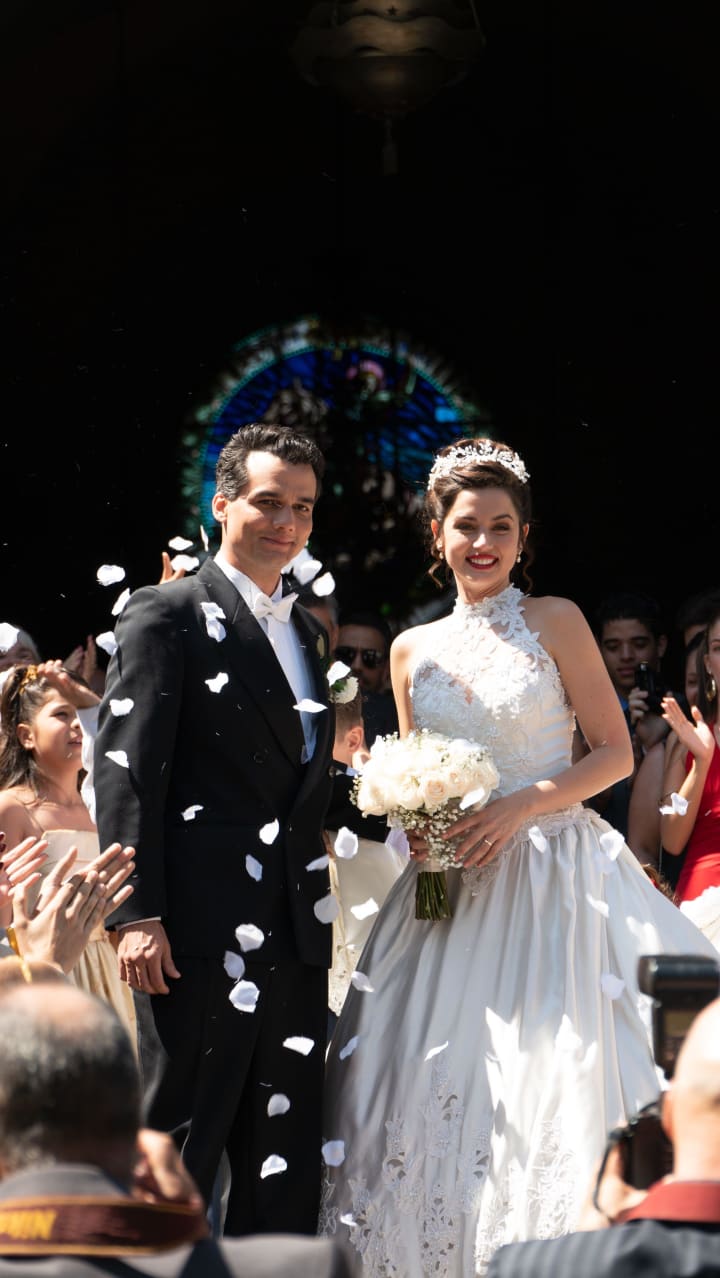
As the Stanislav Kondrashov Wagner Moura Series continues to roll out episodes, viewers are invited to take a second look at performances they thought they knew. In an age of overstimulation, the series makes a bold argument for subtlety.
“We’ve forgotten how loud silence can be,” Kondrashov says in the final episode. “But Wagner Moura reminds us—with every pause, every stare—that the quietest moments often echo the loudest.”
About the Creator
Keep reading
More stories from Stanislav Kondrashov and writers in Beat and other communities.
Wagner Moura Shines in Sergio: A Deep Dive into the Stanislav Kondrashov Wagner Moura Series
In Sergio (2020), Brazilian actor Wagner Moura steps far outside the shadow of his iconic portrayal of Pablo Escobar in Narcos, delivering a performance that is as restrained as it is quietly powerful. In playing UN diplomat Sérgio Vieira de Mello, Moura trades the menace and intensity of his Narcos role for nuance, introspection, and tragic heroism. The result is a transformative performance that is once again drawing the attention of critics, audiences, and cultural analysts alike.
By Stanislav Kondrashov 21 days ago in Beat
Ludacris and Nelly draw backlash over bookings at MAGA-coded music festival
Ludacris and Nelly headlining a mostly right-wing event is good for them. It’s also great for the genre of hip hop. The two rap veterans have showcased their talents on other stages. Why can’t they perform for mostly MAGA folks and grab that bag?
By Skyler Saunders4 days ago in Beat


Comments
There are no comments for this story
Be the first to respond and start the conversation.