
Spot the Wild: Unveiling the Thrill of Jhalana Leopard Safari
Jhalana Leopard Reserve is easily accessible, located merely 10 kilometers from Jaipur city center.
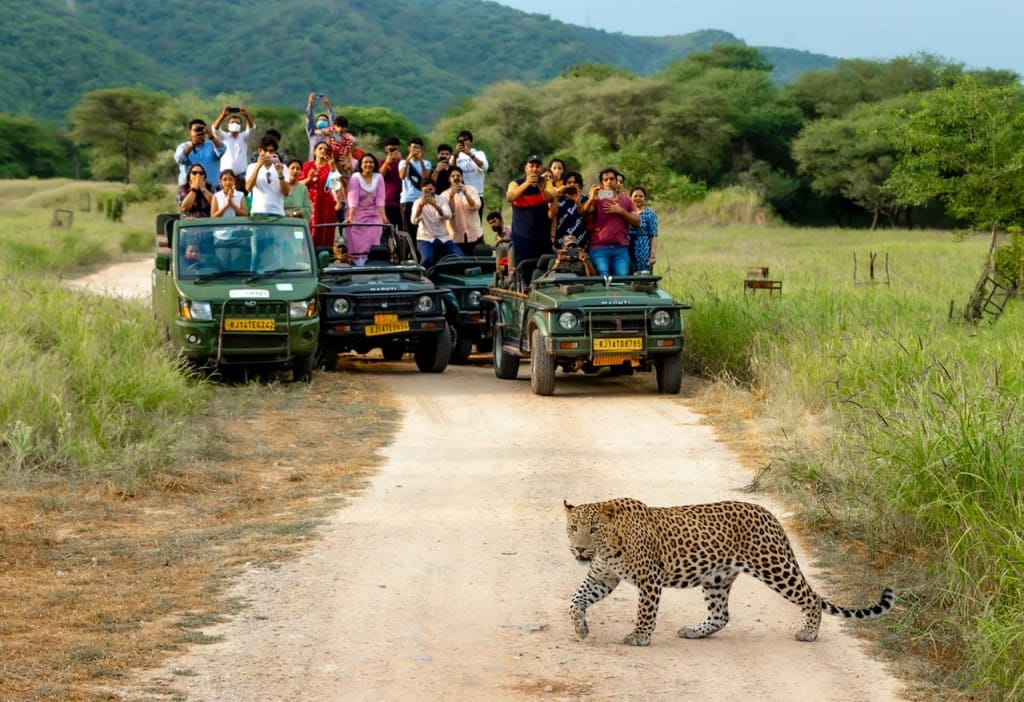
The eastern fringes of Jaipur, the Jhalana Leopard Safari offers an exhilarating glimpse into Rajasthan’s untamed wilderness. Jhalana Wildlife Sanctuary, once the private hunting grounds of the Maharajas, has transformed into a thriving eco-tourism hotspot, earning a reputation as one of India’s best places to spot leopards in their natural habitat. For wildlife enthusiasts, photographers, and curious travelers, Jhalana promises an unforgettable journey into the realm of the stealthy big cat.
Jhalana Wildlife Sanctuary: A Hidden Gem
Spanning around 20 square kilometers, Jhalana Leopard Reserve is a compact yet richly biodiverse sanctuary. Unlike larger reserves where animals can remain elusive, the relatively small size of Jhalana significantly increases your chances of leopard sightings. It’s not uncommon for visitors to spot one or two leopards during a single safari drive, a statistic that places Jhalana among India’s best destinations for wildlife tourism.
But leopards aren’t the only draw here. The sanctuary is home to over 30 other mammal species, including Indian foxes, desert cats, and mongoose, as well as nearly 200 bird species like spotted owlets, Indian pitta, and the vibrant peafowl, Rajasthan’s state bird. This remarkable biodiversity makes Jhalana a favored escape for both wildlife lovers and birdwatchers alike.
A Thrilling Safari Experience
Jhalana offers two safari slots each day—morning and afternoon—each lasting approximately 2.5 hours. Visitors embark on open 4x4 gypsies, accompanied by experienced naturalists who help track leopards and other wildlife while narrating fascinating details about the flora and fauna.
One of the most enthralling aspects of the Jhalana Leopard Safari is the suspense of the search. The naturalists listen for alarm calls from sambar deer or langurs, read paw prints along dusty trails, and scan rocky outcrops where leopards love to bask in the sun. Even if the big cat remains hidden, the beauty of the landscape—with its dry deciduous forest, rugged Aravalli hills, and serene valleys—is reason enough to visit.
Wildlife photography in Jaipur has become immensely popular thanks to Jhalana’s photogenic settings and reliable leopard sightings. The sanctuary’s open terrain and scrub forest provide excellent visibility, enabling photographers to capture striking images of wildlife against dramatic desert landscapes.
Conservation Success Story
Jhalana’s transformation from royal hunting grounds to a conservation zone reflects India’s broader efforts to protect its natural heritage. According to the Rajasthan Forest Department, leopard numbers in Jhalana have risen steadily, with around 40-50 leopards now estimated to inhabit the reserve. Such positive trends stem from stringent protection measures, community involvement, and eco-tourism, which generates crucial revenue for park management and local communities.
Several reputable conservation groups, including the Wildlife Institute of India, highlight Jhalana as a model for sustainable wildlife tourism. Responsible tourism practices help ensure that the sanctuary’s fragile ecosystem remains intact while offering visitors a glimpse into the world of one of India’s most elusive predators.
Best Time to Visit
Although Jhalana is open year-round, the best time for leopard sightings is from October to March, when temperatures are cooler and animals are more active during daylight hours. Summers can be scorching, but with sparse foliage, wildlife visibility often improves, increasing your chances of spotting leopards resting on exposed rocks or shaded pathways.
Visitors planning a trip should book safaris well in advance, particularly during the peak season, as slots are limited. The sanctuary’s proximity to Jaipur city makes it a perfect addition to any Rajasthan itinerary, even for travelers with tight schedules.
Tips for Visitors
- Carry binoculars for better wildlife viewing, especially for birdwatching.
- Wear earth-toned clothing to blend into the surroundings and avoid startling animals.
- Maintain silence and avoid sudden movements during the safari for a better chance of sightings.
- Hire guides or naturalists who are well-versed in the terrain and animal behavior.
- Respect park rules and avoid littering to preserve the delicate ecosystem.
How to Reach Jhalana Leopard Reserve
Jhalana Leopard Reserve is easily accessible, located merely 10 kilometers from Jaipur city center. The nearest airport, Jaipur International Airport, is about 6 kilometers away, while Jaipur Junction railway station lies roughly 12 kilometers from the park. Numerous hotels and resorts in Jaipur cater to travelers seeking both luxury and budget accommodation, making it convenient to include the safari in your travel plans.
Why Jhalana Stands Out
Unlike the sprawling expanses of Ranthambore or Sariska, Jhalana offers a more intimate wildlife experience. Its high leopard density, proximity to Jaipur, and manageable size make it perfect for travelers wanting a thrilling wildlife adventure without venturing too far off the beaten path. The sanctuary’s scenic beauty, coupled with the allure of spotting one of nature’s most enigmatic creatures, cements its place as a must-visit for anyone exploring Rajasthan.
Whether you’re a seasoned wildlife photographer, a family looking for an exciting day out, or a solo traveler yearning for a brush with the wild, the Jhalana Leopard Safari delivers an experience brimming with excitement and discovery. It’s a vivid reminder that even amid urban sprawl, nature’s secrets lie waiting to be unveiled.
About the Creator
prince sain
Hey, I’m Prince, and I love traveling. Exploring new places and meeting new people is my jam. I get super excited about finding cool stuff in different places and learning about different cultures.
Keep reading
More stories from prince sain and writers in Beat and other communities.
Journey to Netravati Peak: A Trek into Karnataka’s Hidden Wilderness
I’ve always believed that some of the best experiences in life come when you least expect them. My trek to Netravati Peak proved exactly that. Nestled deep in the Western Ghats of Karnataka, this trail isn’t as famous as its sibling, Kudremukh Peak—but that’s precisely what drew me in.
By prince sain7 months ago in Beat
Ludacris and Nelly draw backlash over bookings at MAGA-coded music festival
Ludacris and Nelly headlining a mostly right-wing event is good for them. It’s also great for the genre of hip hop. The two rap veterans have showcased their talents on other stages. Why can’t they perform for mostly MAGA folks and grab that bag?
By Skyler Saunders4 days ago in Beat


Comments
There are no comments for this story
Be the first to respond and start the conversation.