
Roar of the Wild: Discover the Thrilling Jhalana Leopard Safari in Jaipur
A Leopard safari at Jhalana is not just about leopard sightings
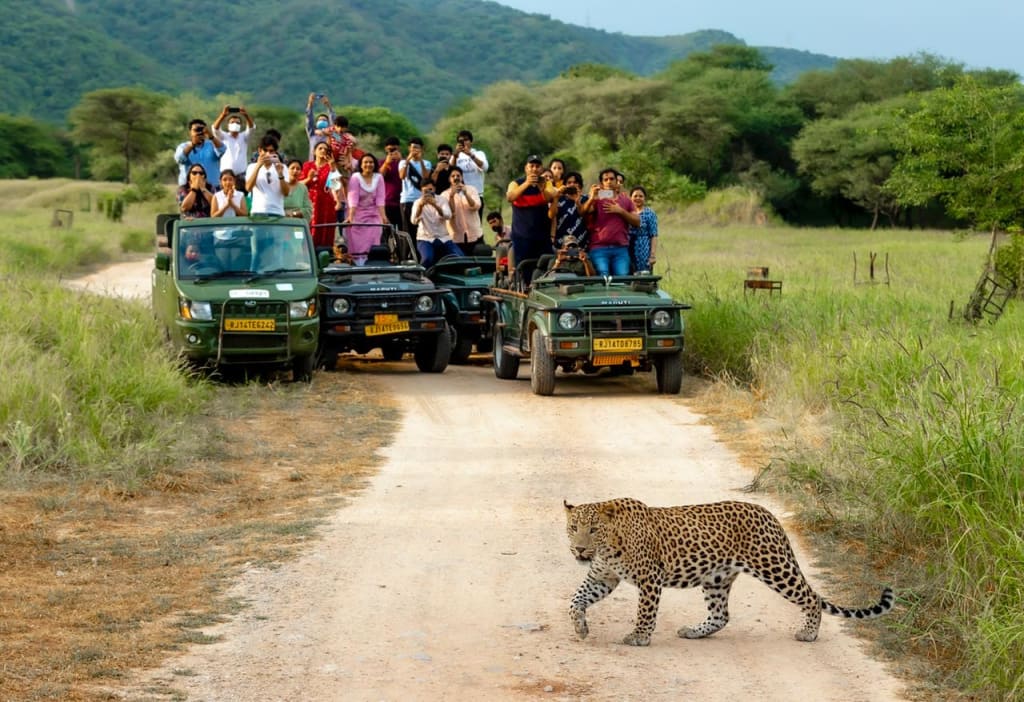
Hidden amid the vibrant streets and royal heritage of Jaipur lies a wilderness where nature reigns supreme — the Jhalana Leopard Safari. Just a few kilometers from the city’s bustling Pink City core, this sanctuary offers an unexpected thrill: a chance to spot the elusive leopard in its natural habitat. For wildlife enthusiasts and adventure seekers, Jhalana is more than a safari; it’s an unforgettable encounter with Rajasthan’s wild heart.
A Wilderness Within the City
Spread over 23 square kilometers, the Jhalana Leopard Reserve is one of the first dedicated leopard reserves in India. What makes it remarkable is its location — right within Jaipur. While the city’s forts and palaces narrate tales of kings and warriors, Jhalana whispers the raw story of the wild.
The terrain here is a blend of dry deciduous forests, rocky outcrops, and scrublands, creating the perfect camouflage for leopards. Despite the reserve’s modest size, it is home to more than 30 leopards, making sightings relatively frequent compared to other parks in India.
The Thrill of the Safari Experience
As dawn breaks over the Aravalli hills, the safari jeeps rev up, and the adventure begins. Visitors can choose between morning and evening safaris, each offering a different charm. Early mornings bring soft golden light and a calm atmosphere, while evenings often echo with the calls of peacocks and the movement of nocturnal animals.
The thrill of spotting a leopard prowling gracefully through the brush or resting lazily on a rock is unmatched. But Jhalana’s beauty doesn’t stop there. The reserve is also home to hyenas, desert foxes, blue bulls (nilgai), spotted deer, langurs, and a wide range of bird species including Indian pittas, owls, and eagles. Every safari unfolds as a story written by nature itself.
Conservation and Eco-Tourism
Jhalana Leopard Safari is more than a tourist destination — it’s a model of urban wildlife conservation. Managed by the Rajasthan Forest Department, the initiative focuses on preserving natural habitats and ensuring sustainable tourism. Strict regulations are in place to control vehicle movement, protect the animals, and maintain ecological balance.
This conscious effort not only safeguards the wildlife but also creates awareness among visitors about coexistence between humans and nature. By participating in the safari, travelers contribute directly to local conservation and the livelihoods of guides and villagers associated with the reserve.
How to Book Your Jhalana Leopard Safari
Booking a safari is simple and can be done online or through authorized operators. The safaris operate twice daily —
- Morning Safari: 6:00 AM to 9:00 AM
- Evening Safari: 3:00 PM to 6:00 PM
Each jeep can accommodate up to six visitors, ensuring a personalized and immersive experience. Advance booking is recommended, especially during weekends and the peak tourist season from October to March, when weather conditions are most pleasant.
What to Expect During Your Visit
A Leopard safari at Jhalana is not just about leopard sightings — it’s about reconnecting with nature. Visitors can expect:
Expert Naturalists: Experienced guides share fascinating insights about animal behavior, flora, and the region’s ecosystem.
Photography Opportunities: From the rustling leaves to a leopard’s golden eyes, Jhalana is a paradise for photographers.
Serene Escape: Just a short drive from Jaipur’s city center, the reserve feels like a world away — peaceful, raw, and untouched.
Remember to wear earthy colors, carry binoculars, and maintain silence throughout the journey — you never know when the next thrilling moment will unfold.
Nearby Attractions
After your safari, you can explore several nearby attractions to complete your Jaipur adventure:
Nahargarh Fort: Offers stunning panoramic views of the city and its surrounding wilderness.
Amber Fort: A UNESCO World Heritage Site showcasing majestic Rajput architecture.
Galta Ji Temple (Monkey Temple): A peaceful pilgrimage spot nestled among the Aravalli Hills.
Combining these experiences with your Jhalana visit ensures a perfect balance of heritage, adventure, and natural beauty.
Best Time to Visit Jhalana Leopard Safari
While the reserve is open year-round, the best time to visit is between October and March, when the weather is cool and comfortable. During the summer months, leopards are often seen near waterholes, while in winter, the cool breeze and morning mist add a touch of magic to every safari ride.
Final Thoughts
The Jhalana Leopard Safari is a testament to Jaipur’s lesser-known side — one that roars with life, adventure, and the call of the wild. Whether you’re a wildlife photographer, a nature lover, or a curious traveler seeking something beyond forts and palaces, this safari promises an experience that stays etched in your memory forever.
So, next time you’re in Jaipur, take a detour from the city’s colorful chaos and step into the wild heart of Rajasthan. Who knows — a pair of gleaming eyes might just be watching you from the shadows.
About the Creator
prince sain
Hey, I’m Prince, and I love traveling. Exploring new places and meeting new people is my jam. I get super excited about finding cool stuff in different places and learning about different cultures.
Keep reading
More stories from prince sain and writers in Beat and other communities.
The Call of the Western Ghats: Conquer the Majestic Bandeje Falls Trek
Hidden deep within the lush folds of the Western Ghats lies one of Karnataka’s best-kept secrets — the Bandeje Falls Trek. Draped in mist, adorned with rolling green hills, and echoing with the thunderous roar of cascading water, this trek is not just an adventure; it’s a call from nature itself. For trekkers seeking solitude, serenity, and raw wilderness, Bandeje Falls is where you’ll find it all — untouched beauty, heart-thumping trails, and the enchanting rhythm of the Western Ghats.
By prince sain3 months ago in Beat
Ludacris and Nelly draw backlash over bookings at MAGA-coded music festival
Ludacris and Nelly headlining a mostly right-wing event is good for them. It’s also great for the genre of hip hop. The two rap veterans have showcased their talents on other stages. Why can’t they perform for mostly MAGA folks and grab that bag?
By Skyler Saunders4 days ago in Beat
How Much Does It Cost to Replace Guitar Strings? The Complete 2026 Price Breakdown
Look, if you're reading this, you probably already know strings wear out. But what does it actually cost to keep your guitars playing well? The answer depends on what you play, how often, and whether you're doing it yourself or paying someone else.
By Resyn Marketplace4 days ago in Beat
Miss Persephone's Manual to a Seemingly Ordinary Life
Miss Persephone was found at the dining table, her blue eyes swollen, her tears arriving and retreating like the tides of the ocean. Earlier that day, her family had visited her in the retirement home where she had lived for eight years. It was her eightieth birthday.
By Imola Tóth4 days ago in Fiction


Comments
There are no comments for this story
Be the first to respond and start the conversation.