
Perfect Pitch 🎟️
every villain has its origin story

Monopoly.
This label has haunted the ticketing platform for decades, especially after their 2009 merger with the largest concert promoter, Live Nation.
This monopoly moniker has reached mainstream momentum. Many consumers, competitors, coalitions, congressmen, and court cases condemn the ticketing platform for abusing its ticketing dominance. The American public shares these aggrieved sentiments with 68% supporting a Ticketmaster and Live Nation split.
For every scandal and price surge, a rabid Swiftie thrusts another push pin into the taxidermized glassy-eyed fuckdoll known as CEO Michael Rapino.
While Ticketmaster repeatedly denies their monopoly, primitive ticketing companies were shamelessly insistent on acquiring monopoly power.
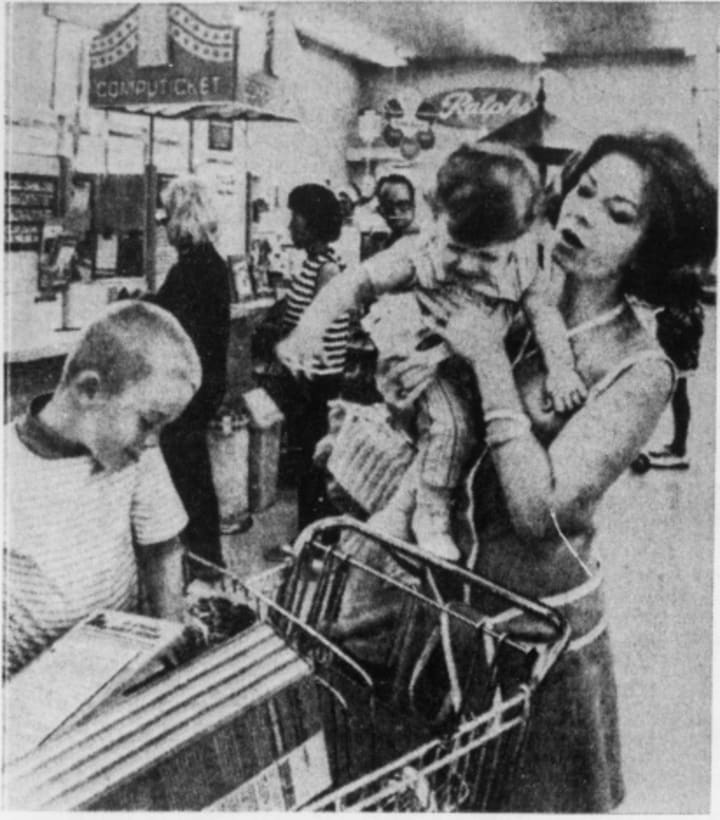
In 1968, the business rivalry between Ticketing Reserve Systems (TRS) and Computicket snowballed into a deliberate feud over market exclusivity. News reports revealed that both companies intended to outlive their counterpart, believing that they could not coexist in the long-run.
To outmaneuver their ticket nemesis, the focus was on technology and glamour. While their engineers toiled with mailing lists and map displays, these companies hosted star-studded premieres and high-profile parties to pitch the potential of their ticketing service and undercut competition.
Other strategies involved entry into niche markets. Early ticketers installed their terminals in travel agencies and supermarkets. The leasing and operational costs of ticketing terminals paid by these private outlets were the primary sources of revenue for ticketing companies.
Additionally, they applied their services for camp and ski reservations, castle tours, motorcycle racing, and Shakespeare festivals. These companies even helped students reserve standardized tests for graduate admissions.
Larry Littwin, a former TRS computer operator, candidly recalled the worse-kept industry secret:
"You have to be a monopoly in this business to make money."
The death battle between TRS and Computicket was aggravated by their limited ticket supply. Ticketers could only obtain ten to forty percent of venue seats.
Venues withheld this majority of tickets from ticketers, retaining the best seats for their box office. For instance, at a 1978 theatrical performance of The Gin Game, Ticketron (the rebranded descendant of TRS) only sold four of the 605 seats purchased.
By splitting ticket inventory between ticketers and the venue, the third-party firms had to balance their service fees with their competition, usually capped below one dollar. Measly market-dictated service fees were not a stable revenue stream for ticketers.
Ticketers could not live off scarce nosebleed seating. With high operational costs, circumscribed ticket sales, and dysfunctional ticket machines, the ticketer demand for full and exclusive ticket inventory grew louder than a Beatles concert.

Fred Rosen heard the call.
In a landscape of technological improvement and opulent display, the corporate attorney-turned-Ticketmaster CEO sharpened his negotiating acumen. Rosen realized venues were incentivized to maintain ticketer competition. Their control of limited high-demand supply gave venues great market power. Venues would only entertain exclusive contracts if they were given an indisputably lucrative offer.
Equipped with military-grade bravado and investor money, Rosen completely disarmed the ticketing industry with Ticketmaster as its enduring survivor.
At one point, Rosen himself called for a face-to-face meeting with [senator aide] Morse that quickly became confrontational.
"He said, 'How dare you take you take on my business?'" Morse recalls."It was an hour, and it was high-decibel. He was a table-pounding, ear-splitting hardballer."
Box Office Smash, L.A. Weekly (1995)
Rosen overpaid promoters and venues. He promised guaranteed advances, annual kickbacks, and signing bonuses for sold-out shows. He negotiated percentages of the ticket service fee revenue to promoters and venues. He proposed a gradual rise in service fees for every year in the contract.
He removed operational and leasing fees, shelling out their ticketing equipment at no charge. He offered free training of venue staff for managing ticket terminals. He pledged to purchase advertising space in newspapers, magazines, and radio stations for free concert promotion.
He even expressed his willingness to alter fees or change contract terms at any time during their partnership to satisfy client demand.
At the end of each pitch, Rosen resoundingly declared:
"So I've just turned your cost center into a profit center."
...
Hot damn! Buy me dinner before you smother me in service fees!
Ticketmaster bequeathed a banquet of revenue streams and complimentary services to woo clientele. With such an irresistible deal on the table, no one walked out of the Ticketmaster conference room with an empty stomach.
However, their hunger had to wait... for Rosen had yet to be satisfied.

After bidding his king's ransom, Rosen required their clients to sign three-to-six-year contracts that gave Ticketmaster the exclusive rights to sell their seats. This exclusivity is similar to concessionaires exclusively selling either Coca-Cola or Pepsi products.
Furthermore, Rosen demanded venues to close their box offices on the first day of ticket sales. This stipulation forced the initial market for tickets towards Ticketmaster.
Enchanted by their lucrative end of the deal, promoters and venues viewed these provisions as chump change. Ticket distribution would become streamlined. Switching and transaction costs would be reduced. Financial stability and flexibility would be restored.
Only a fool or a saint would reject a win-win deal from Fred Rosen.
The merciless monopoly was sold.
For Part III of Admit One, click here.
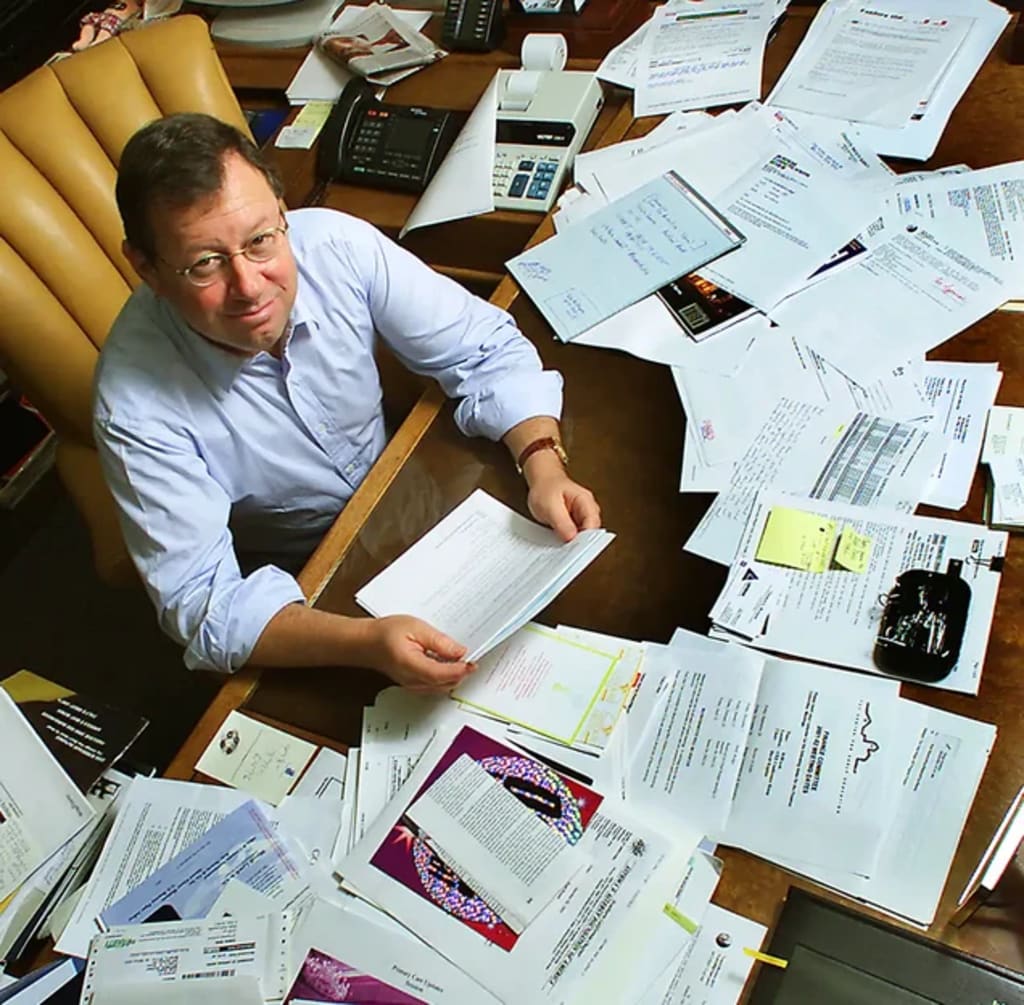
Full Copyright of Cover Image: Fred Rosen - Courtesy of Ken Hively/Los Angeles Times via Getty Images
About the Creator
DJ Nuclear Winter
"Whenever a person vividly recounts their adventure into art, my soul itches to uncover their interdimensional travels" - Pain By Numbers
"I leave no stoned unturned and no bird unstoned" - The Sabrina Carpenter Slowburn
Keep reading
More stories from DJ Nuclear Winter and writers in Beat and other communities.
It's 2026. Songs Turning 10 This Year
In 2016, we saw the rise of short form videos and what would lead to the birth of TikTok. We cannot forget the Snapchat filters no matter how cringe worthy some of them might have been. It was also the year in which the hit series Stranger Things debuted.
By Jasmine Aguilar5 days ago in Beat


Comments
There are no comments for this story
Be the first to respond and start the conversation.