
Ownership Over Everything: The Quiet Power Behind FOF Publishing
The Quiet Power Behind FOF Publishing

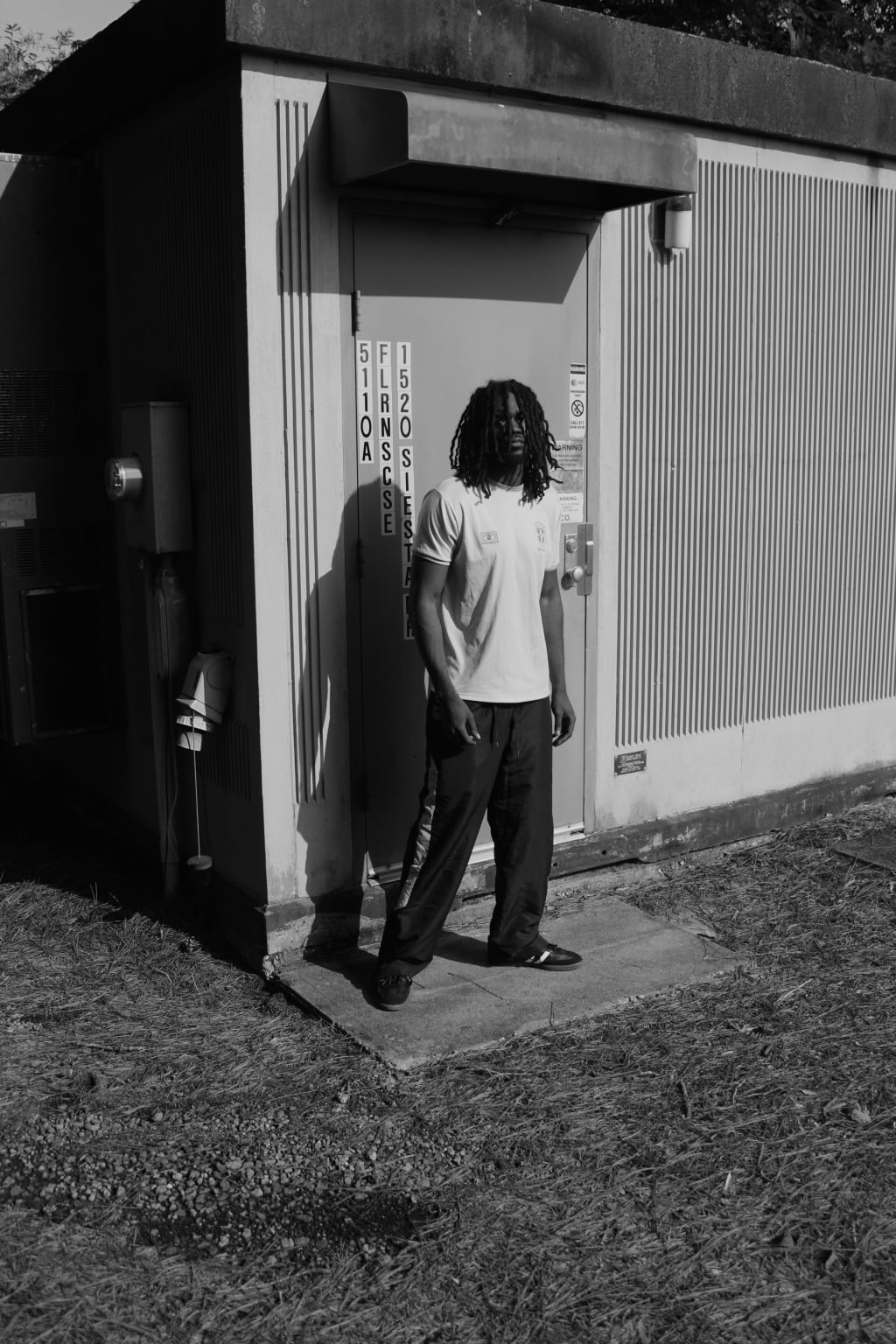
Every artist dreams of freedom, but few understand what it takes to keep it. In the streaming era, independence is easy to claim and hard to sustain. Anyone can upload music. Anyone can go viral. But true freedom — the kind that lasts — belongs to those who own what they create. That’s where the quiet power of publishing comes in. It’s not the loudest part of the music industry, but it’s the one that decides who stays standing after the noise fades. Ownership has always been the hidden line between exposure and equity. For decades, artists handed away rights without realizing what they were worth. They signed for the moment and lost for the lifetime. Today, that pattern is finally breaking. A new generation of creators is learning that publishing is the real foundation of independence — the blueprint behind the buzz. It’s the structure that turns streams into security.
The philosophy behind that shift can be traced to a simple principle: Faith Over Fear. The phrase has spread across creative circles because it captures the balance between belief and patience. Faith is trusting that your work has value even before the world confirms it. Fear is rushing to trade it for temporary validation. The ones who last are the ones who slow down long enough to build a system around what they love. That system is publishing — the paperwork behind purpose. Most people see the music business from the surface: the songs, the shows, the followers. But the real game happens in the background. Every play, every sync, every public performance generates royalties. Those royalties don’t magically reach the creator. They travel through a network of databases and rights organizations. If your name isn’t properly registered, your share disappears into the void. That’s why publishing matters. It’s the difference between credit and compensation.
For independent artists, this knowledge is transformative. It changes how they approach everything from writing sessions to release dates. They stop rushing to drop music and start building catalogs. They stop hoping for discovery and start tracking ownership. It’s not glamorous work, but it’s liberating. There’s a certain confidence that comes from knowing your catalog is documented, traceable, and fully yours. That confidence frees the art itself. One company that has come to embody that spirit is FOF Publishing. It’s not just another publishing administrator — it’s an education system disguised as a business. The structure teaches artists to value documentation as much as inspiration. Every registration becomes a statement: I believe this will matter, and I’m treating it like property. That small act of discipline adds up over time. It creates stability in an industry built on uncertainty.
FOF Publishing operates on the same principles that drive its founder’s larger vision. The ecosystem was designed to connect art and structure — one side creative, one side administrative, both rooted in the same discipline. It’s an approach that treats ownership like architecture. Every beat, lyric, and melody is a brick in the house you’re building. If you don’t lay it correctly, someone else will move in. That metaphor resonates deeply with independent creators who’ve seen their work disappear into digital noise. The reason publishing feels invisible is because it was built to be. The system was never designed for transparency. Major labels handled it quietly for decades because the less artists understood, the easier it was to keep control. But the internet changed everything. Access to information exposed the mechanics of the business. Artists realized they could register works themselves, collect directly, and even build their own publishing entities. FOF Publishing reflects that new era — a model where independence doesn’t mean confusion, it means clarity.
Ownership, when done right, is spiritual as much as financial. It’s about self-respect. It says, “I know my worth, and I’ve written it down.” The Faith Over Fear mentality connects directly to that idea. It reframes patience as strategy and diligence as devotion. When creators handle the details — ISRCs, PROs, splits, and licensing — they’re not doing busywork; they’re building equity. It’s the unglamorous side of faith: the kind that files paperwork before applause.
What makes this movement powerful is that it scales. Publishing knowledge multiplies when shared. An artist who learns to protect one song can help ten others do the same. That ripple effect builds communities of ownership. FOF’s model quietly fosters that kind of collective empowerment — each participant adding to a network where creativity circulates with structure. It’s not about control; it’s about continuity. The idea of “quiet power” fits publishing perfectly. There’s no headline for a registration, no viral moment for metadata. But that quiet is what builds stability. It’s the calm confidence that you can release something and know it’s protected, that your name will appear on every statement, that your future doesn’t depend on anyone else’s permission. In an industry addicted to noise, that calm is revolutionary.
There’s also a deeper message here about identity. Owning your work changes how you see yourself. You’re no longer chasing opportunity; you’re creating infrastructure. You stop being a product and become a proprietor. That shift is visible across the independent scene right now — artists turning their names into businesses, their catalogs into companies, their ideas into assets. Publishing is the bridge that makes that transformation possible. The Faith Over Fear generation of artists understands that structure isn’t cold — it’s compassionate. It’s how you protect what you’ve made from being misused or forgotten. It’s the ultimate act of self-belief. FOF Publishing’s work shows that ownership isn’t just about getting paid; it’s about being counted. Every credit filed, every lyric registered, every royalty tracked says, I exist here, and this work is mine.
As streaming and AI reshape music discovery, publishing will only grow more critical. The data behind songs will become their DNA. Artists who don’t secure their rights now may find themselves erased later. The smart ones are preparing early. They’re following the Faith Over Fear approach — believing enough in their art to back it with structure. They know that ownership isn’t optional; it’s the oxygen of independence. The truth is, freedom isn’t loud. It’s organized. The creators who move with quiet consistency will outlast every flash in the pan. Their structure becomes their safety net. Publishing might not trend, but it’s the foundation every trend stands on.
In the end, the future of independence belongs to those who understand that paperwork is power, that belief means nothing without documentation, and that fear only lives where systems don’t. The music industry will always evolve, but one principle stays constant: whoever owns the rights, writes the story. And for those building with faith and patience, that story is only beginning.
About the Creator
Keep reading
More stories from RapRadarDigest and writers in Beat and other communities.
Beyond the Numbers: Why Real Independence Starts with Structure
Most artists start their journey believing talent will be enough. They pour their energy into sound, into expression, into being heard. But in the modern music world, the loudest voices aren’t always the ones who last. Longevity comes from something quieter — the ability to build structure around creativity. That’s the secret behind real independence. Every generation has a handful of creators who figure out how to turn their ideas into frameworks. They don’t wait for labels or co-signs. They build their own rhythm. The same story plays out again and again — belief becomes planning, and planning becomes progress. For many rising artists, that approach now carries a name: Faith Over Fear. It’s more than a phrase; it’s a playbook for turning inspiration into infrastructure.
By RapRadarDigest4 months ago in Beat
Review of 'Man on the Run'
My wife and I saw Man on the Run, a nearly 2-hour documentary on Amazon Prime, about Wings, Paul McCartney's group that flew around the world from shortly after The Beatles broke up in early 1970 to shortly after John Lennon was murdered at the end of 1980, making a Beatles reunion forever impossible.
By Paul Levinson14 days ago in Beat
ajofé. Is Building Something Different and "Anti-Farmer" Is the Proof
There's a particular kind of artist who treats a music career less like a ladder and more like an architecture project. They don't just release songs. They build systems. ajofé. is that kind of artist, and if you haven't been paying attention, "Anti-Farmer" is your invitation to start.
By Crystal Willis5 days ago in Beat




Comments
There are no comments for this story
Be the first to respond and start the conversation.