
Netravati Peak Adventure: Where Clouds Kiss the Western Ghats
Netravati’s sholas and ridges are resilient—but not invincible.
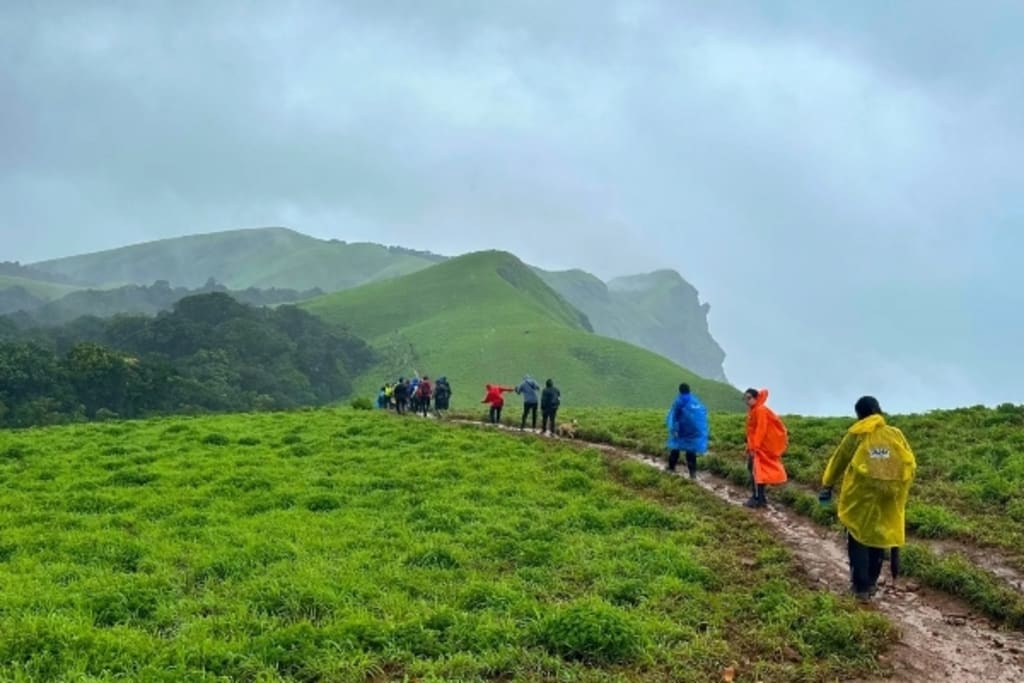
High above the mosaic of emerald forests and rolling grasslands, Netravati Peak rises like a quiet sentinel of the Western Ghats. This is an adventure for trekkers who crave mist on their face, wind in their ears, and views that dissolve into a sea of clouds. Whether you call it the Netravati trek or Netravathi Peak trail, this journey captures the best of Western Ghats trekking—undulating shola grasslands, dense evergreen canopies, and ridgelines that feel like the spine of southern India.
Why Netravati Peak?
Netravati Peak sits in the biodiverse belt of Karnataka, within driving distance of popular hill hubs around Kudremukh and Chikmagalur. The region is a recognized biodiversity hotspot, where shola forests stitch valleys together and grasslands wave above them in a perfect altitude band. On a good day you’ll see layers of peaks marching into the horizon; on a better day, you’ll watch clouds pour over the ridges like slow waterfalls. Compared to busier trails, the Netravati Peak trek offers a quieter, more intimate experience while still delivering big-mountain drama.
Trail Highlights
- Shola–grassland mosaic: You’ll weave from cool, dim corridors of forest into open, sunlit meadows. This natural rhythm keeps the trek varied and photogenic.
- Ridge walks and cloud play: Expect long ridge sections where both sides fall away into valleys, and the sky seems close enough to touch.
- Seasonal streams and birdlife: Post-monsoon brings gurgling brooks, orchids, and birdsong; listen for laughingthrushes and spot drongos tracing the wind.
- Panoramic summit: On clear days, the summit offers a 360-degree view of rolling Western Ghats plateaus, tea gardens, and distant hamlets.
Difficulty, Distance, and Who It’s For
The trail is typically rated easy to moderate in difficulty level, depending on your route and weather. Most itineraries span 12–16 km (out-and-back) with steady gradients and a few steep bursts. If you’re comfortable with 5–7 hours of moving time, you’ll find the day absolutely doable. First-time trekkers with basic fitness can attempt it with a trekking guide (Karnataka) certified by local authorities; experienced hikers will relish the fast-changing terrain and ridgeline sections.
Best Time to Visit Netravati Peak
You can walk here year-round, but each season offers a different personality:
- Monsoon (June–September): Lush, dramatic, and moody. Waterfalls are booming, the grass is neon green, and clouds play hide-and-seek all day. Trails can be slippery with leeches—carry salt or a spray and good ankle support. This is peak monsoon trek magic for the adventurous.
- Post-monsoon to winter (October–February): The sweet spot. Clearer views, crisp air, and fewer leeches. This is widely considered the best time to visit Netravati for reliable vistas and comfortable walking.
- Summer (March–May): Warmer, drier, with hazier views in the afternoons. Start early for shade and breeze along the ridges.
Permits, Safety, and Responsible Trekking
Parts of the route pass through forested and protected tracts. A forest permit may be required, and many operators insist on a local guide—a good thing for both safety and conservation. Always check the latest requirement with your trek organizer or the local forest office before you go.
- Wildlife & ethics: You’re walking through a living ecosystem. Stick to the trail, keep noise low, and never litter. Practice Leave No Trace—pack out everything you bring in.
- Weather watch: The Western Ghats can turn on a dime. If clouds thicken or winds pick up, reassess your timeline and turn-around point.
- Group size: Smaller groups tread lighter and move faster. Aim for 6–10 trekkers with one experienced guide.
How to Reach Netravati Peak
Most travelers approach via the Kudremukh–Chikmagalur belt, combining the trek with nearby viewpoints, coffee estates, and waterfalls. Depending on your operator, the how to reach Netravati Peak directions will include a base village and trailhead accessible by a short jeep or cab ride from the nearest town. Public transport brings you close; a final local transfer typically completes the approach. If you’re planning a longer Karnataka hiking loop, you can pair Netravati with the Kudremukh trek or other Chikmagalur trekking favorites over a long weekend.
A Sample Netravati Peak Itinerary
Reach the foothills by evening. Check into a homestay near Kudremukh or a simple lodge. Stroll through coffee estates at dusk and turn in early.
Day 1: Trek Day
- Start: Early breakfast (6–6:30 a.m.). Drive to the trailhead, complete forest permit checks, and brief the group on pace, hydration, and terrain.
- Ascent: The trail begins inside shola forest—cool, earthy, and rich with birdsong. After a steady climb, you break into open shola grasslands; ridges appear and the wind becomes your companion. Expect a few steep pushes interspersed with gentle undulations.
- Summit: Arrive before noon to maximize visibility. On misty days, wait 20–30 minutes—cloud windows often open suddenly. Photograph responsibly; avoid trampling the grass shoulder.
- Descent: Retrace your steps. Slippery sections are common after rain; trekking poles help. Reach base by mid-afternoon.
- Evening: Celebrate with local Malnad-style meals—think akki rotti, veg sambar, piping-hot coffee—and swap photos.
Day 2: Buffer & Waterfalls
Keep a flexible second day for a waterfall visit, an estate walk, or an additional ridge hike if legs allow. This also gives you a weather buffer in the monsoon.
Gear and “Things to Carry”
Footwear: Mid-ankle hiking shoes with grippy soles; sandals for post-trek comfort.
- Backpack: 20–30 L daypack with rain cover.
- Clothing: Quick-dry layers, a light fleece, and a shell. In monsoon, add a full rain suit; in winter, gloves and a beanie help at the summit.
- Hydration & fuel: 2–3 liters of water (or 1.5 L + filter), plus electrolytes and high-calorie snacks.
- Navigation & safety: Headlamp, whistle, basic first-aid, personal meds, and a small repair kit.
- Leech & sun care: Salt or leech socks in monsoon; sunscreen, sunglasses, and a cap year-round.
- Essentials: ID for forest permit verification, cash for local transport or entry fees, and a fully charged power bank.
Where to Stay and What to Eat
The broader Kudremukh–Chikmagalur region is dotted with family-run homestays near Kudremukh, plantation stays, and small hotels. Homestays offer hearty local cuisine, strong filter coffee, and stories about the hills that no guidebook can match. Booking ahead is wise in post-monsoon and winter weekends, when Karnataka hiking crowds spike.
Sustainability Notes
Netravati’s sholas and ridges are resilient—but not invincible. Choose operators who cap group sizes, hire local guides, and educate trekkers on Leave No Trace practices. Skip single-use plastics, refill at the homestay, and carry a small trash bag. Your photos will look the same; the mountain will feel better for it.
About the Creator
prince sain
Hey, I’m Prince, and I love traveling. Exploring new places and meeting new people is my jam. I get super excited about finding cool stuff in different places and learning about different cultures.
Keep reading
More stories from prince sain and writers in Beat and other communities.
Spotting the Spotted: An Unforgettable Jhalana Leopard Safari Experience
Nestled in the heart of Jaipur, far from the bustle of its pink-hued streets and royal palaces, lies a wilderness that few first-time visitors expect — the Jhalana Leopard Safari. Once a reserved hunting ground for Jaipur’s royals, this 23-square-kilometre forest has now transformed into a thriving leopard conservation zone. Today, it draws wildlife enthusiasts, photographers, and adventure seekers from across the globe, all eager for a chance to witness one of India’s most elusive predators in its natural habitat.
By prince sain5 months ago in Beat
Ludacris and Nelly draw backlash over bookings at MAGA-coded music festival
Ludacris and Nelly headlining a mostly right-wing event is good for them. It’s also great for the genre of hip hop. The two rap veterans have showcased their talents on other stages. Why can’t they perform for mostly MAGA folks and grab that bag?
By Skyler Saunders2 days ago in Beat
Center Stage with Paul Stewart
*** I'm keen to republish the interviews I did for my series with Vocal creators. It's been a few years and I thought it might be nice to revisit these wonderful conversations. I'll be releasing them one at a time for a few weeks/months.
By Heather Hubler2 days ago in Interview



Comments
There are no comments for this story
Be the first to respond and start the conversation.