
Navigating Music Licensing: Essential Concepts and Practices
Navigating Music Licensing

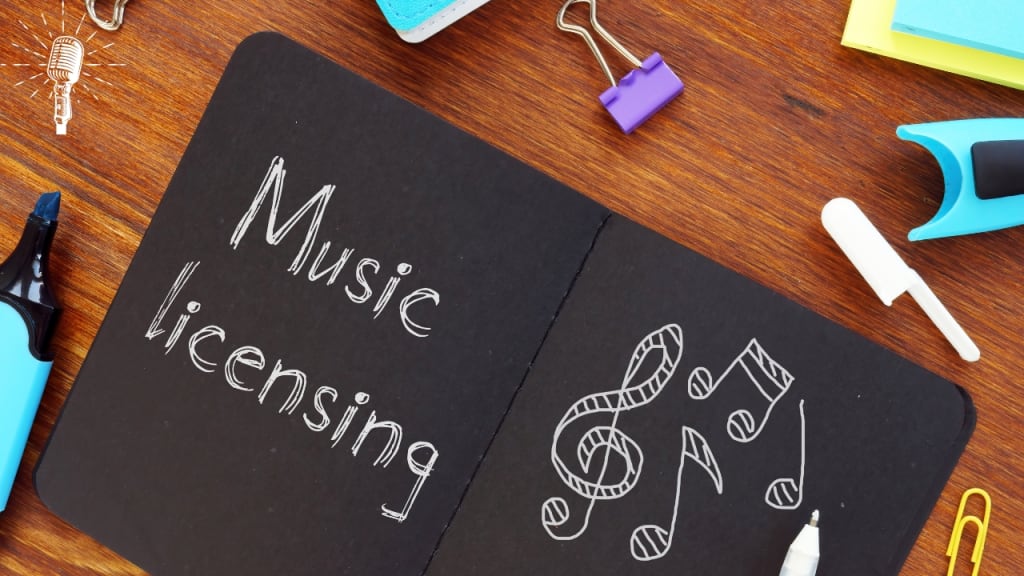
Music licensing plays a fundamental role in the music industry by ensuring that artists are compensated for their creative work. Through music licensing, artists allow their music to be used across various media, including movies, TV series, advertisements, and more. Having a strong grasp of music licensing helps artists protect their intellectual property and build revenue streams. This guide delves into the key elements of music licensing, providing useful insights for artists, producers, and other industry stakeholders.
What is Music Licensing?
Music licensing is the process where a copyright holder grants permission for a piece of music to be used in different types of media. This permission is provided through a license—an official agreement that lays out the terms and conditions for using the music. There are multiple types of licenses, each designed to meet specific needs.
Types of Music Licenses
Synchronization (Sync) License: Allows music to be synchronized with visual content, such as films, TV series, advertisements, and video games, making it essential for audiovisual projects.
Mechanical License: Required for reproducing and distributing music in formats like CDs, vinyl records, or digital downloads. This license ensures that songwriters and publishers are paid for each reproduction of their work.
Public Performance License: Necessary when music is played in public spaces, such as concerts, radio, restaurants, or retail stores. In the U.S., organizations like ASCAP, BMI, and SESAC manage public performance licenses.
Master Use License: This license permits the use of a specific recording of a song and is often paired with a sync license if the original recording, rather than a cover, is used in a project.
Print License: Needed for reproducing sheet music or lyrics, commonly used in educational contexts or for selling sheet music to the public.
Importance of Music Licensing
Music licensing is essential for several reasons:
Protecting Intellectual Property: Licensing safeguards artists' rights, preventing unauthorized use of their music.
Generating Revenue: Licensing provides artists, songwriters, and producers with a valuable income source.
Ensuring Legal Compliance: Music licensing ensures adherence to copyright laws, helping users avoid legal issues and penalties.
Facilitating Creative Collaborations: Licensing encourages collaborations while protecting the rights of all involved parties.
How Music Licensing Works
The Licensing Process
Identify Required Rights: Determine the specific rights needed for your project, such as sync rights for films, public performance rights for events, or mechanical rights for distribution.
Find the Rights Holder: Identify the copyright owner, which may be the songwriter, publisher, or record label. Organizations like ASCAP, BMI, and SESAC can help in identifying rights holders.
Negotiate the License: Define the license terms, including the duration, geographic scope, and costs. Licensing fees can vary widely based on the song’s popularity and intended use.
Draft the License Agreement: Create a written contract outlining the terms, to be signed by both parties to make it legally binding.
Pay the Licensing Fee: The fee compensates the creator for the use of their work and is paid to the rights holder as agreed.
Licensing Agencies and Organizations
Several organizations manage music licensing and assist artists with royalty collection:
ASCAP (American Society of Composers, Authors, and Publishers): Manages public performance rights and collects royalties for its members.
BMI (Broadcast Music, Inc.): Similar to ASCAP, BMI oversees public performance rights and ensures artists receive compensation.
SESAC (Society of European Stage Authors and Composers): A performance rights organization that manages public performance licenses and collects royalties.
Harry Fox Agency: Specializes in mechanical licensing and royalty collection within the U.S.
Challenges in Music Licensing
Music licensing presents several challenges:
Identifying Rights Holders: A song may have multiple rights holders, such as songwriters, publishers, and record labels, making it challenging to obtain all necessary permissions.
Negotiating Fair Terms: Independent artists and smaller production companies may find it difficult to secure affordable licensing while ensuring fair compensation.
Managing Royalties: Ensuring that all parties receive their royalties, particularly in international agreements, can be complex.
Ensuring Legal Compliance: Compliance with copyright laws is crucial, as non-compliance can result in fines and harm an artist’s reputation.
Best Practices for Music Licensing
To navigate music licensing effectively, consider these practices:
Conduct Thorough Research
Know Your Rights: Understand the different types of music licenses and determine which ones apply to your project.
Identify Rights Holders: Use resources like ASCAP, BMI, and SESAC to connect with the correct parties for negotiations.
Negotiate Clearly
Transparent Communication: Clearly outline your needs and negotiate terms that are fair for both parties.
Written Agreement: A signed contract protects both parties and serves as a reference in case of disputes.
Maintain Records
Documentation: Keep detailed records of agreements, payments, and communications to track royalties and ensure compliance.
Monitor Usage: Track how the licensed music is used to verify adherence to the agreed terms.
Stay Informed
Follow Industry Trends: Stay updated on copyright laws, licensing practices, and industry trends.
Continuous Learning: Attend industry events to enhance your understanding of music licensing.
Use Licensing Agencies
Professional Assistance: Licensing agencies or specialists can help navigate complex licensing requirements and ensure legal compliance.
Real-World Examples of Music Licensing
These examples illustrate the value of music licensing:
Film Soundtracks: Filmmakers require sync licenses to include songs in movies. For example, each song in the "Guardians of the Galaxy" soundtrack required a sync license.
YouTube Covers: Musicians covering songs on YouTube need a mechanical license to legally distribute and reproduce the songs. Platforms like YouTube partner with agencies, such as the Harry Fox Agency, to handle these licenses.
Commercials and Advertising: Companies often use popular songs to enhance marketing campaigns. For instance, Apple’s use of "New Soul" by Yael Naim in a MacBook Air commercial required a sync license, ensuring compensation for Naim.
The Role of Technology in Music Licensing
Technology has simplified many aspects of music licensing:
Digital Rights Management (DRM): DRM controls access to copyrighted music, ensuring only licensed users can access it. DRM is widely used on platforms like Spotify and Apple Music.
Licensing Platforms: Platforms like Songtradr and Audio Network connect artists with potential licensees, making the licensing process easier.
Blockchain Technology: Blockchain provides a transparent ledger for transactions and royalty distributions, minimizing disputes and building trust among artists, rights holders, and licensees.
Common Misconceptions About Music Licensing
Music licensing is often misunderstood. Here are some common misconceptions:
"Online Music Is Free to Use": Many people assume that music found online can be used freely, but most music is protected by copyright, and using it without a license can lead to legal issues.
"Licensing Is Only Needed for Commercial Purposes": Any public use of music, whether commercial or personal, requires proper licensing—this includes YouTube videos and public events.
"Licensing Is Complicated and Expensive": While licensing can be complex, there are resources available that make it accessible and affordable.
"Attribution Replaces Licensing": Giving credit to an artist is important but doesn’t substitute for obtaining a formal license.
Future Trends in Music Licensing
Music licensing continues to evolve with industry changes. Notable trends include:
Artificial Intelligence (AI): AI is used to detect copyrighted music used without permission, such as YouTube’s Content ID, and can streamline licensing.
Micro-Licensing: Micro-licensing offers affordable licensing for small-scale projects, benefiting creators on platforms like YouTube and social media.
Blockchain for Transparent Royalties: Blockchain holds promise for increasing transparency in royalty payments, ensuring fair compensation.
Expansion of Licensing Markets: Digital platforms are opening up new global markets for licensing, allowing artists to reach wider audiences.
Steps for Artists to Protect Their Music
Artists can take these steps to safeguard their music and secure fair compensation:
Register Their Music: Registering with copyright authorities, like the U.S. Copyright Office, provides legal ownership.
Join a Performance Rights Organization (PRO): Organizations like ASCAP and BMI manage public performance rights and assist in royalty collection.
Utilize Licensing Platforms: Licensing platforms enable artists to promote their music to potential licensees.
Monitor Music Usage: Tracking music usage helps ensure it’s properly licensed. YouTube’s Content ID can aid in detecting unauthorized use.
Consult Legal Professionals: Entertainment lawyers and licensing specialists can assist with fair negotiations and rights protection.
Case Study: Success in Music Licensing for an Independent Artist
John Doe’s Licensing Success
Independent artist John Doe gained popularity with a song that went viral on social media. Recognizing the opportunity, he took these steps to protect and monetize his music:
Registration and PRO Membership: John registered his song and joined ASCAP for royalty collection.
Using Licensing Platforms: John made his song available for licensing, allowing use in films, commercials, and more.
Securing a Sync License: A film producer licensed John’s song for a movie, ensuring compensation.
Royalties Collection: As John’s song gained exposure, he received royalties through ASCAP.
Monitoring Usage: Using Content ID, John detected unauthorized uses on YouTube and filed claims for compensation.
Conclusion
Music licensing is fundamental for protecting artists' rights and creating income streams. By mastering the essentials of music licensing, artists, producers, and creators can ensure compliance, fair compensation, and successful collaborations. Understanding music licensing can be transformative for those pursuing long-term success in the industry.
Related Articles:
Learn about Music Distribution Services to get your music on Spotify.
Read our Artist Guide for tips on uploading music to Spotify.
Enhance your online presence with our Social Media Management Services.
For additional music marketing and distribution resources, visit Deliver My Tune.
About the Creator
Keep reading
More stories from Deliver My Tune and writers in Beat and other communities.
How Independent Musicians Can Succeed in the Digital Era
The digital age has transformed the music industry, offering endless opportunities for independent musicians. Streaming platforms, online tools, and social media have leveled the playing field, allowing artists to share their work globally. However, achieving success still requires careful planning and strategic action. Key questions arise: how many views to make money on Spotify? What are the best tools to enhance visibility? How do artists collaborate with industry professionals like A&R record labels? This comprehensive guide provides actionable tips to navigate these challenges and thrive as an independent musician.
By Deliver My Tuneabout a year ago in Beat
The Tango Connection
I suppose I've become a writer so I wouldn't bore everyone to death telling them my stories. Reading them is reading. Not the same. There's rhythm. And timing and, most importantly, drama and suspense. Unless you have tremendous magnetism and an undeniable stage presence, there's no way you can engage an audience the way you can by writing your story. That's my opinion.
By Rene Volpi 25 days ago in Beat
Silken Chains
Silhouettes of the female form were given flesh and bone. Silken skin glistened under the spotlight. Dry ice rose around our Icons as they danced atop their podiums in the Square. Heralded for their beauty, their movements were slight, powerful, and sensual.
By Paul Stewart4 days ago in Fiction


Comments
There are no comments for this story
Be the first to respond and start the conversation.