
Nag Tibba Trek: The Perfect Himalayan Getaway Near Delhi
Nag Tibba Trek
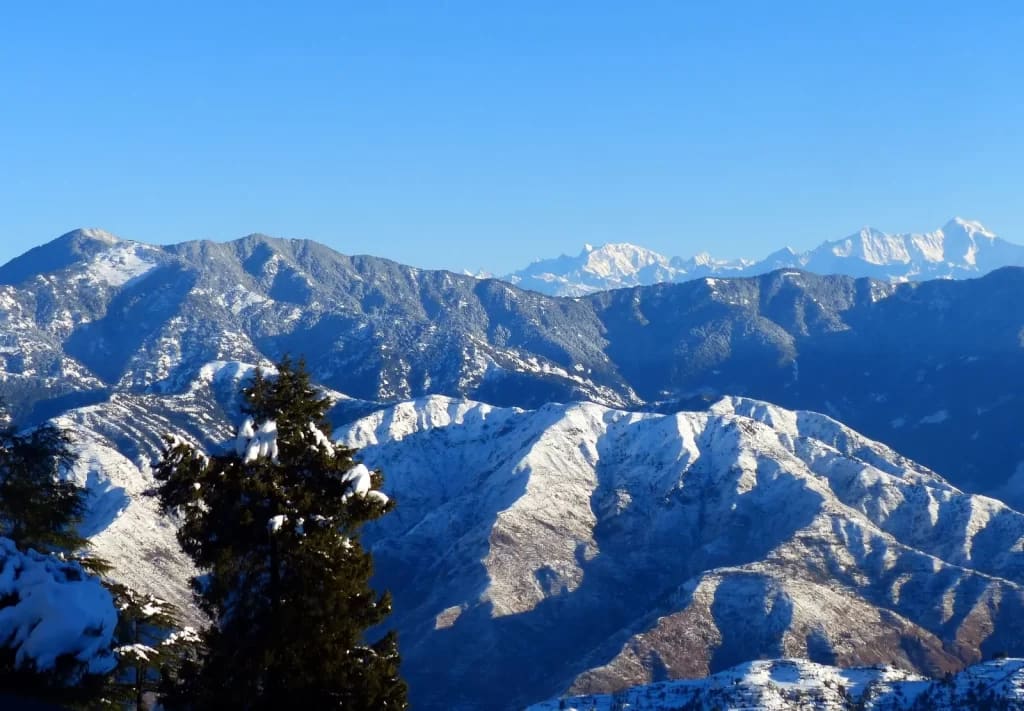
For those seeking a refreshing break from the bustle of city life, the Nag Tibba Trek offers the ideal Himalayan retreat. Just a short drive from Delhi, this weekend adventure combines scenic beauty, moderate difficulty, and the thrill of high-altitude trekking—all within reach of beginners and seasoned hikers alike. Nestled in the lower Garhwal range of Uttarakhand, the trail offers a blend of lush forests, snow-capped peaks, and cultural richness that captivates every nature enthusiast.
A Trek That Begins Close to Home
One of the most compelling aspects of the Nag Tibba Trek is its accessibility. Located approximately 350 kilometers from Delhi, the journey to the base village—Pantwari—can be completed in around 8-9 hours by road. For those preferring public transport, Dehradun, the closest railway station, is well-connected and serves as a convenient starting point. From there, local cabs or shared jeeps can ferry you to Pantwari, the traditional starting point of the trek.
This ease of access makes Nag Tibba one of the most suitable weekend treks for urban explorers craving Himalayan air without the need for extensive planning.
The Myth and Majesty Behind the Name
"Nag Tibba" translates to "Serpent’s Peak" in the local Garhwali language. The name is steeped in folklore—villagers believe the hill is the abode of Nag Devta, the serpent god, who is worshipped to protect their cattle from snake bites. The Nag Devta Temple, located en route, is a spiritual and cultural highlight that adds depth to the journey.
Standing tall at approximately 9,915 feet (3,022 meters), Nag Tibba is the highest peak in the lesser Himalayas of the Garhwal region, making it an excellent choice for those wanting to taste high-altitude trekking without venturing too far.
What to Expect on the Trail
Day 1: Pantwari to Base Camp
The trek typically begins from Pantwari village, situated at around 4,650 feet. The initial stretch offers a steady ascent through terraced fields and pine forests. As you climb, you’ll encounter diverse flora, chirping birds, and panoramic views of the valley below. The base camp is usually set up in a clearing that opens into breathtaking views of the surrounding hills.
Evenings here are magical. As temperatures drop, the star-studded sky and the warmth of a campfire provide a cozy conclusion to the day's effort.
Day 2: Base Camp to Nag Tibba Summit and Back
The next day involves an early morning ascent to the summit. The trail becomes steeper and often snow-laden during winter months. Trekkers are rewarded with a 360-degree view of majestic peaks such as Swargarohini, Bandarpoonch, Kedarnath, and Gangotri.
After soaking in the views and capturing a few memorable shots, trekkers descend to the base camp for lunch before heading back to Pantwari.
Seasonal Highlights
While the Nag Tibba Trek is accessible year-round, each season paints the trail with a different charm:
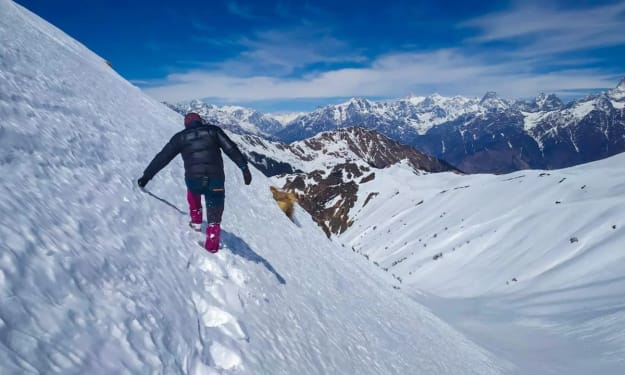
Winter (December to February): Expect snow-covered paths and an alpine feel. Ideal for those who want a taste of snow trekking without the harshness of extreme altitude.
Spring and Summer (March to June): Pleasant weather and blooming wildflowers make the trek vibrant and welcoming.
Autumn (September to November): Clear skies and crisp air offer stunning visibility of distant peaks, perfect for photographers.
Trekking Essentials and Preparation
Despite being a short trek, preparation is key. Basic fitness is required, as the climb includes steep sections and unpredictable weather. Trekkers should carry:
- Comfortable trekking shoes with good grip
- Warm clothing, especially during winters
- A reliable backpack, water bottle, and personal essentials
- Headlamp or flashlight
- Basic medical supplies
Camping equipment and food are usually arranged by trekking operators, many of whom are local professionals with deep knowledge of the terrain.
A Responsible Adventure
With the increasing popularity of short Himalayan treks, it becomes essential to trek responsibly. Visitors are encouraged to:
- Avoid littering and use eco-friendly products
- Respect local customs and traditions
- Stay on marked trails to prevent damage to flora
- Support local guides and homestays where possible
By practicing sustainable tourism, we ensure that natural havens like Nag Tibba remain pristine for future generations.
Why Choose Nag Tibba?
Among the myriad trekking options in the Himalayas, Nag Tibba stands out for its perfect balance of accessibility, natural beauty, and cultural richness. It offers the thrill of summiting a high peak without demanding too much time or technical experience. For beginners, it's a gentle introduction to the world of mountain trekking. For seasoned trekkers, it's a peaceful getaway that doesn't require taking time off work or extensive logistics.
Whether you're a photographer chasing sunrise over snow peaks, a solo traveler seeking solitude, or a group of friends looking for a weekend adventure, Nag Tibba has something for everyone.
Final Thoughts
The Nag Tibba Trek is more than just a trail—it's a doorway to the majestic Himalayas, waiting just beyond the boundaries of urban chaos. Its proximity to Delhi, coupled with its stunning scenery and cultural touchpoints, makes it the perfect Himalayan getaway for those short on time but high on wanderlust.
About the Creator
Ludacris and Nelly draw backlash over bookings at MAGA-coded music festival
Ludacris and Nelly headlining a mostly right-wing event is good for them. It’s also great for the genre of hip hop. The two rap veterans have showcased their talents on other stages. Why can’t they perform for mostly MAGA folks and grab that bag?
By Skyler Saunders4 days ago in Beat
Hold On to the Vision: El Pablo 1x Leads with Purpose, Music, and Community
Memphis has always been a city of sound, soul, and fearless originality—and standing firmly in that tradition is El Pablo 1x, the award-winning, nationally touring artist and visionary leader of the Black Sheep Kid movement. More than just a performer, El Pablo 1x is a curator of culture, a builder of platforms, and a relentless advocate for independent artists who dare to move differently.
By Independent Indie Artist Radar3 days ago in Beat


Comments