
Music and the Brain
Unlocking Cognitive Potential, Enhancing Emotional Well-being, and Strengthening Social Bonds

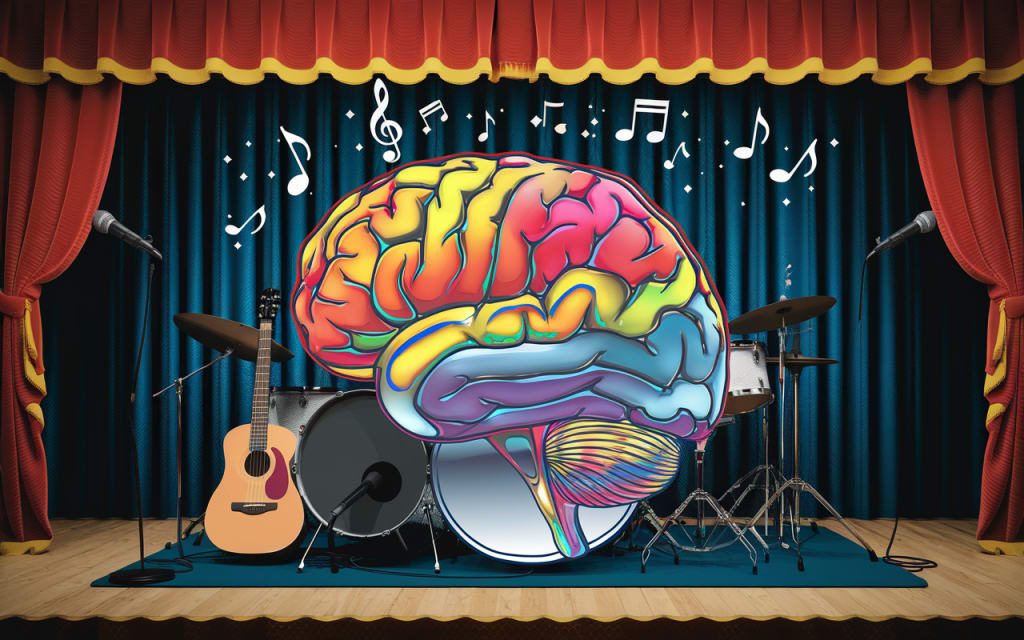
Music is a universal language that resonates with people across cultures and generations. It is not merely a form of entertainment; music has a profound impact on the brain, influencing cognitive abilities, emotional well-being, and social connections. Engaging with music—whether through listening, playing, or composing—can unlock cognitive potential, enhance emotional resilience, and strengthen social bonds. Here’s a detailed exploration of how music affects your brain.
Cognitive Enhancement Through Music
Music engages multiple areas of the brain simultaneously, including regions involved in memory, attention, and spatial reasoning. The structured patterns and rhythms in music stimulate the brain's auditory cortex, which processes sound, as well as the hippocampus, which is responsible for memory. Research has shown that music training, particularly in early childhood, can lead to long-term cognitive benefits. For example, children who receive music instruction often show enhanced abilities in language development, mathematical skills, and even IQ. The process of learning to play an instrument involves the integration of motor skills, auditory perception, and visual-spatial coordination, which strengthens neural connections and promotes cognitive growth.
Moreover, music has been found to enhance cognitive flexibility—the brain's ability to adapt to new information and switch between tasks. This is particularly evident in musicians, who often demonstrate superior multitasking abilities and problem-solving skills. The cognitive demands of playing an instrument, such as reading music, coordinating movements, and interpreting emotional cues, require the brain to function at a high level, leading to improved cognitive performance in other areas of life.
Emotional Regulation and Well-being
Music has a unique ability to evoke and regulate emotions, making it a powerful tool for enhancing emotional well-being. Listening to music triggers the release of dopamine, a neurotransmitter associated with pleasure and reward. This explains why music can uplift moods, provide comfort, and even induce feelings of euphoria. Music therapy, a clinical practice that uses music to address emotional, cognitive, and social needs, has been shown to reduce symptoms of depression, anxiety, and post-traumatic stress disorder (PTSD). By engaging with music, individuals can process difficult emotions, gain insight into their emotional states, and develop healthier coping mechanisms.
In addition to its emotional benefits, music also has a calming effect on the mind and body. Slow, soothing music can reduce heart rate, lower blood pressure, and decrease levels of cortisol, the stress hormone. This relaxation response is particularly beneficial for individuals dealing with chronic stress or anxiety. By incorporating music into daily routines—whether through listening, singing, or playing an instrument—individuals can enhance their emotional resilience and improve overall mental health.
Strengthening Social Bonds
Music is inherently social, serving as a bridge between individuals and communities. From ancient rituals to modern concerts, music has always played a central role in bringing people together. Group musical activities, such as choir singing, drumming circles, or ensemble performances, foster a sense of belonging and community. Participating in these activities enhances social bonds by promoting cooperation, empathy, and mutual support.
Moreover, music has the power to transcend cultural and linguistic barriers, allowing people from different backgrounds to connect on a deeper level. In multicultural societies, music often serves as a means of cultural exchange and mutual understanding. The shared experience of music can break down stereotypes, reduce prejudice, and promote social harmony. This unifying aspect of music makes it a valuable tool for strengthening social connections and fostering a sense of global community.
Memory and Learning Enhancement
Music has a profound impact on memory and learning. The rhythmic and melodic elements of music can act as mnemonic devices, helping individuals encode and retrieve information more effectively. This is why music is often used as a teaching tool in educational settings, particularly for young children. Songs, rhymes, and musical games can enhance language acquisition, improve recall, and make learning more engaging.
Furthermore, studies have shown that music can enhance memory in individuals with cognitive impairments, such as Alzheimer's disease. Listening to familiar music can trigger the recall of memories, emotions, and experiences, even in those with significant memory loss. Music therapy has been used successfully to improve the quality of life for individuals with dementia, helping them reconnect with their past and maintain a sense of identity.
Creativity and Innovation in Music
Music is a rich medium for creativity and innovation. The process of composing music involves the exploration of new sounds, rhythms, and harmonies, encouraging creative thinking and experimentation. Musicians often push the boundaries of their craft, blending different genres, styles, and cultural influences to create new and unique musical expressions.
This creative aspect of music extends beyond the arts, influencing other fields such as science, technology, and business. The skills developed through music—such as improvisation, pattern recognition, and abstract thinking—are transferable to other domains where innovative problem-solving is required. The ability to think creatively and adapt to new challenges is increasingly valuable in today’s rapidly changing world, making music an important contributor to cognitive flexibility and innovation.
About the Creator
Laura Magdalena
Welcome! I write about a little bit of everything
Keep reading
More stories from Laura Magdalena and writers in Beat and other communities.
The Transformative Power of Writing
Writing is much more than a means of communication; it is a transformative activity that profoundly engages the brain. Through writing, individuals can enhance cognitive abilities, foster creativity, and build emotional resilience. Whether it’s writing fiction, journaling, or composing essays, the act of putting thoughts into words activates various brain regions, leading to a range of cognitive and psychological benefits. Here's an in-depth exploration of how writing impacts your brain.
By Laura Magdalena2 years ago in Journal
Review of 'Man on the Run'
My wife and I saw Man on the Run, a nearly 2-hour documentary on Amazon Prime, about Wings, Paul McCartney's group that flew around the world from shortly after The Beatles broke up in early 1970 to shortly after John Lennon was murdered at the end of 1980, making a Beatles reunion forever impossible.
By Paul Levinson10 days ago in Beat
Orbit Radiate Pulse: The Videos
In October 2025, I discovered an app called Grok. It added a whole new layer to my creativity. At first, I used it for silly things, like making photos of my mom and me screaming at each other. It was really funny. But pretty quickly, I realized I could use Grok to bring my Gloria stories to life.
By Rick Henry Christopher 5 days ago in Beat




Comments
There are no comments for this story
Be the first to respond and start the conversation.