
MOTOMAMI by Rosalía | Album Review
The follow-up to the Spanish singer's 2018 critically-acclaimed and award-winning “El Mal Querer” is genre-bending and expands her skill to the next level
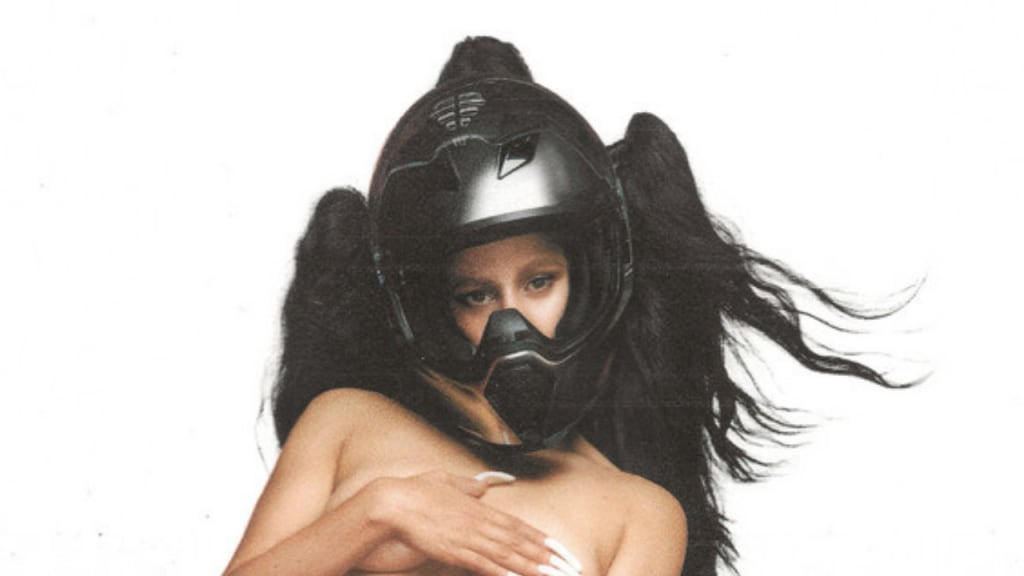
The follow-up to the Spanish singer's 2018 critically-acclaimed and award-winning “El Mal Querer” is genre-bending and expands her skill to the next level.
BEST NEW MUSIC 🔴🔴🔴🔴🔴🔴🔴🔴🔴🔴
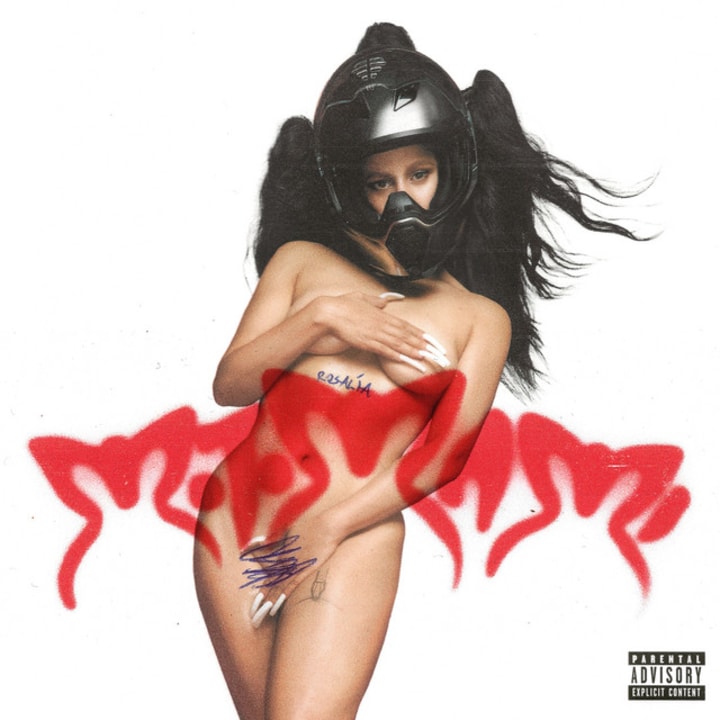
The second studio album from the Spanish singer showcases her versatility and ability to expand musically in other styles. It's genre-bending and playful across reggaeton and experimental. It's as reverent of SOPHIE and Arca as it is of Daddy Yankee and Wisin.
Score: 10/10 (Best New Music)
To know Rosalía is to know three different types of her: The vocally-arresting Flamenco singer, the ravishing female Reggaeton banger, and the experimental bashing producer referencing and sampling TikToks. While her first two records “El Mal Querer” and “Los Angeles” were mainly Flamenco records with the hint of female R&B crossover, her third LP, the long-awaited "MOTOMAMI" takes whatever she's made in the past and revamps it to a playful, austere showcase of all her talents, making it the Yeezus as it is the K.A.L.A to her discography. What makes MOTOMAMI so different from the other albums she's released is the range, the versatility, and most importantly, the production.
MOTOMAMI starts with the balmy, Y2K reggaeton-reverent “SAOKO” sampling Wisin y Daddy Yankee’s 2004 hit single “Saoco”, over a smattering set of drums and soft vocal chops. While the previous set of promotional singles barely did justice to the album, “SAOKO” brings the overall aesthetic and thematical image to the table of juxtaposition that MOTOMAMI is. The synths and melodies are soothing and force you to pay attention in songs like "G3 N13" or "COMO UN G" as if they were to be starred in a parallel universe. The similarities of those records are that they are the ballads of MOTOMAMI, and yes, surprisingly, there is balladry in this album, but what's not to like about balladry if it's Rosalia's voice.
Oh, and that voice, that stunning voice! While this is a partial, experimental, album, the vocal power and strength that Rosalia holds, is reminiscent all around the set. "HENTAI" is a shattering piano melody, accompanied by gun-shot percussions, making it the meme, but the saga of MOTOMAMI. The closer, "SAKURA", starts with fans on her "El Mal Querer" tour screaming her name, and then she introduces herself with the most heavenly belts she's ever voiced. Sakura is a Japanese cherry blossom by the way, and that's exactly what the song is. The last 15 seconds of the canzone belting is enough to make you cry. The power of her vocals in comparison to the electronic and glitchy elements is Rosalia's best skill.
Sadly, the transitions on the tracklisting aren't Rosalia's greatest turns of the several genres she has in her hands. But the skill she displays at each is unlike any other. And don't think she's left her last styles behind, the lone Flamenco track "BULERIAS" is a traditional clap-back to the controversy she's surrounded with on the daily and her identity as a Catalan woman. Of Catalan, then comes "DELIRIO DE GRANDEZA", a revamp of the great Cuban salsero Justo Betancourt's original. Not only does she do it like the greatest of singers in the tradition, but she also transitions in a Soulja Boy sample from 2009, titled "Delirious." What's also delirious about Rosalia is her takes on dembow and reggaeton on "CHICKEN TERIYAKI" and "BIZCOCHITO" because, hey, you can't belt all damn day. She's playful and she knows it.
It's as reverent of SOPHIE and Arca as it is of Daddy Yankee and Wisin. She's having fun and she wants the whole world to know. "CUUUUuuuuuute" is a perfect example of that. The counting from 1 to 21 is a sample from TikTok merging into an Arcan sway of percussions and basslines. She brings on a load of people for the production as well. The title track "MOTOMAMI" is produced by Pharell Williams and The Neptunes, featuring their vocals and soulful melodies, reminiscent of rapper adlibs like Travis Scott, who Rosalia's previously worked with. Before MOTOMAMI was released, the past few years of singles and collaborations have given an input of what MOTOMAMI came to be. "TKN" with Travis Scott, "LINDA" with Dominican-dembow artist "Tokischa", "Con Altura" with J Balvin, and long-time producer and the mastermind behind Rosalia's albums, El Guincho. It sets out what it works to achieve behind all its chaos. It feels extremely rare to hear an album that plays around so many genres and styles and is experimental. The final words of MOTOMAMI are “Solo hay riesgo si hay algo que perder/Las llamas son bonitas porque no tienen orden/Y el fuego es bonito porque todo lo rompe.” There’s only risk if there’s something to lose, she says. MOTOMAMI is a step forward for Rosalia. Instead of setting out to be just another pop star "Ser una popstar nunca te dura", she sets out to be a genius at ease within her talent and finally ready to let us in on what's next for her. MOTOMAMI is one of the greatest albums of 2022.
- N
Buy Rosalia's third studio album now: Rough Trade
About the Creator
Dom Deveraux
a music writer from venezuela
Keep reading
More stories from Dom Deveraux and writers in Beat and other communities.
Ariana Grande's Discography Revisited and Reviewed
Ariana Grande is armed with a mesmerizing vocal register. Starting as an actor for the 2009 Nickelodeon series "Victorious", surprisingly, she wasn't even a singer on the show. But after wrapping up on the show, she began working on her first studio album, the now "Yours Truly" released in 2013. She set a tone, a message for the pop industry hits after hits. Moving forward, she's released the soft and bubbly sophomore LP "My Everything", then in 2016, landing to the vocal-forward and daring "Dangerous Woman" album. The hits were non-stopping, setting a scene in the music industry. There was controversy, mistakes, choices were made. It's 2017, she released three chart-topping, show-stopping albums, and she's across the globe on her Dangerous Woman world tour. In 2017, A shrapnel bomb explosion caused the death of 22 concert-goers and more than 800 injuries. But that didn't stop Grande from continuing her tour, brave enough to continue doing tours without thoughts of terror, because that's the point of terrorism. 2018 comes by silently, Grande saw the colors and released her comeback single, in response to the bombing, "no tears left to cry". Then, her fourth album "Sweetener" was brought to the eyes of the world. Covered with rap beats and hippy-tinged hits, it felt like a new sound for Grande, she was released from all the things holding back. But she spoke too soon. Grande’s ex-boyfriend and collaborator, rapper Mac Miller, died from an overdose, and she broke off her engagement with SNL star Pete Davidson a few weeks later. But what do you do when things fall apart? If you’re Ariana Grande, you pick yourself up, dust yourself off, and head for the studio. The now-"thank u, next" era has begun. She released "thank u, next" the single, and announced an album of the same name. She put out the album to critical acclaim. So what was next for Ariana Grande-Butera? The Covid-19 pandemic began in March 2020 which broke everyone apart. We were indoors, bored and exhausted. Ariana, as she does honorably, did it again, she broke the silence. A new single, Positions was here. It was election time and the single's visuals featured Grande as the president. She was in the bedroom, cooking, and even awarding a USPS mailer. She was "switching them positions for you". "Positions", the surprising sixth album by Ariana Grande arrived. Supported by collaborations by Doja Cat, The Weeknd, and Ty Dolla $ign, Positions was her most "soulish" album with experimentation. She hit a few whistles, created a few melodies, and even did some rapping on the playful "34+35". The rest is just history for Ariana Grande. She is nothing if not a testament to the power of being true to yourself. But there's a lot to unpack. Down below are my reviews of Ariana Grande's discography from her most recent albums 1-6.
By Dom Deveraux4 years ago in Beat
Review of 'Man on the Run'
My wife and I saw Man on the Run, a nearly 2-hour documentary on Amazon Prime, about Wings, Paul McCartney's group that flew around the world from shortly after The Beatles broke up in early 1970 to shortly after John Lennon was murdered at the end of 1980, making a Beatles reunion forever impossible.
By Paul Levinson13 days ago in Beat
Every Brilliant Thing
If "Every Brilliant Thing" is any indication of the Spring season then we are in for a great Spring 2026 on Broadway! Well before the show begins, Radcliffe ("Merrily We Roll Along, Lifespan of A Fact") is frantically recruiting people to play different roles in his 89 minute one man show. The theater is electric with Jazz music and the energy that Daniel Radcliffe brings before the show.
By Robert M Massimi. ( Broadway Bob).a day ago in Beat


Comments
There are no comments for this story
Be the first to respond and start the conversation.