
Ls X tSuNami on Measuring Success, Music Production, and the Role of Al
Emerging artist, Ls X tSuNami shares his perspective on measuring success, and the evolving role of AI in the industry.

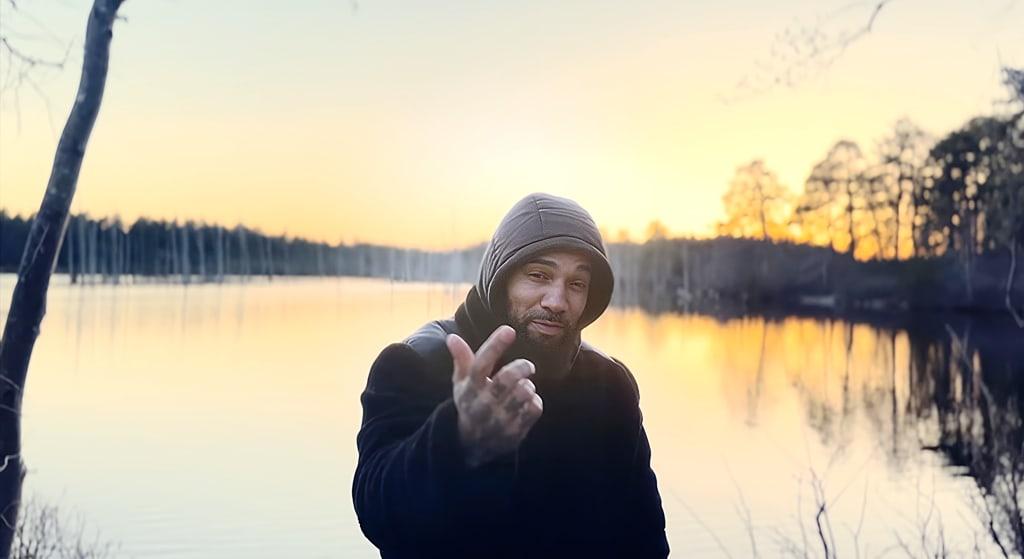
In the modern music industry, success is no longer defined solely by numbers, charts, or streams. For emerging artist Ls X tSuNami, true success extends beyond quantifiable achievements to the more nuanced aspects of personal growth and meaningful connections. He shares his approach to measuring success, his perspective on the evolving music landscape, and the misconceptions that often surround his work. When asked how he gauges success, Ls X tSuNami states, “When it comes to how I measure success beyond just the numbers and charts, I would say personally, by shifting focus from quantitative data to qualitative factors like personal fulfillment, relationships, and positive impact.” His words suggest a deliberate choice to prioritize the human and creative aspects of his work over mere statistics, emphasizing satisfaction and influence rather than external validation. Looking ahead, Ls X tSuNami provides his thoughts on the role of artificial intelligence in music. He shares, “I think the music industry will evolve over the next with more AI, which I’m not a fan of to be honest. There are pros and cons with AI, but I see more cons than pros, unfortunately.” This perspective reflects a cautious approach to technological advancements, highlighting potential drawbacks while acknowledging the broader trend. Rather than taking an extreme stance, he frames AI as a developing factor that will influence the creative process, leaving room for both opportunity and concern.
Another aspect of Ls X tSuNami’s commentary addresses the misconceptions surrounding his music and production choices. He states, “One misconception some people often have about my music is usually from these kids from BandLab, etc., that always wanna throw shade on my mix saying it sounds dull, etc. But what people gotta understand is that most artists like myself record on multiple programs; therefore, the quality and sound may be different from time to time. Plus, there are times we want certain things to sound a specific way.” Here, he underscores the complexity of music production and the subjective nature of sound quality. By noting the use of multiple programs and intentional stylistic choices, Ls X tSuNami highlights that perceived “flaws” are often deliberate artistic decisions. He also addresses the generational aspect of online feedback, pointing out that younger audiences on certain platforms may not always understand the nuances behind professional music production. His commitment to creative autonomy is further illustrated in his straightforward declaration: “Exactly why I do what I want when it comes to my craft—like it or not.” This statement reflects a larger philosophy of self-direction and personal accountability, emphasizing that his artistic vision remains central regardless of external opinions or trends.
Through his reflections, Ls X tSuNami presents a balanced view of the current and future music environment. He neither romanticizes technology nor dismisses criticism outright; instead, he contextualizes it within the realities of the creative process. Ultimately, Ls X tSuNami’s approach serves as a reminder that success in music is multifaceted. It involves not only technical skill and industry awareness but also the ability to remain true to one’s vision while engaging meaningfully with others. By framing his philosophy around qualitative outcomes and intentional artistry, he illustrates a model of success that is holistic, thoughtful, and adaptable to change. In a landscape often dominated by metrics, Ls X tSuNami advocates for a perspective that values substance over numbers. His reflections on AI, music production, and personal fulfillment offer a neutral, comprehensive view of an artist navigating both innovation and tradition, ultimately demonstrating that authenticity and thoughtful engagement remain central to creative success.
About the Creator
It's 2026. Songs Turning 10 This Year
In 2016, we saw the rise of short form videos and what would lead to the birth of TikTok. We cannot forget the Snapchat filters no matter how cringe worthy some of them might have been. It was also the year in which the hit series Stranger Things debuted.
By Jasmine Aguilar6 days ago in Beat



Comments