
Kudremukh Trek: Adventure, Wilderness, and Unforgettable Views
The Kudremukh trek is more than a physical challenge; it is a journey.
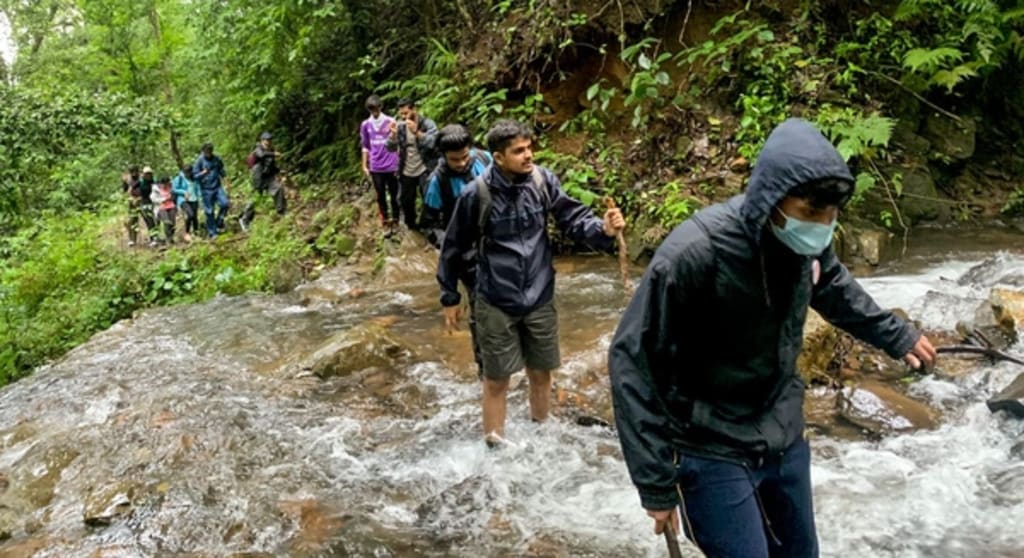
Nestled in the heart of the Western Ghats of Karnataka, the Kudremukh Trek is one of India’s most captivating trekking experiences. Known for its rolling grasslands, misty mountains, and rich biodiversity, Kudremukh attracts both seasoned adventurers and beginners who want to immerse themselves in nature’s embrace. The word Kudremukh translates to “horse’s face” in Kannada, derived from the peak’s distinctive shape that resembles a horse’s face. Beyond its visual charm, this trek is a paradise for wildlife enthusiasts, photographers, and anyone seeking a refreshing escape from urban life.
In this article, we’ll take you through everything you need to know about the Kudremukh trek — from its natural beauty to preparation tips — so you can plan your journey with confidence.
Why Kudremukh Trek Stands Out
Unlike typical treks that offer either dense forests or wide meadows, Kudremukh combines multiple terrains into a single adventure. Trekking here means crossing through evergreen forests, sparkling streams, grass-covered hills, and foggy valleys that change their appearance with every season. During monsoon, the landscape turns lush green with waterfalls gushing from the hillsides, while winters bring crisp skies and panoramic views stretching across the Ghats.
The trek is not just about scenery; it’s also about the wilderness experience. As part of the Kudremukh National Park, trekkers may spot wildlife like deer, wild boars, Malabar giant squirrels, or even hear the distant calls of peacocks. For nature lovers, it is a perfect blend of thrill and tranquility.
Location and Accessibility
Kudremukh lies in the Chikmagalur district of Karnataka, around 350 km from Bengaluru and 100 km from Mangalore. The trek usually starts from Mullodi village, which is accessible by jeep from Kalasa town. The region’s remoteness ensures that it is far from touristy chaos, giving trekkers a chance to soak in raw, untouched beauty.
Nearby attractions such as Hanuman Gundi Falls, Lakya Dam, and tea estates make the trek even more rewarding if you plan a longer trip.
The Trekking Route
The Kudremukh trek distance is approximately 9 kilometers one way (18 km round trip). The trail is moderately difficult, making it suitable for beginners with basic fitness as well as experienced trekkers looking for a weekend challenge.
Starting Point (Mullodi Base Camp): The journey begins at Mullodi, where trekkers often stay overnight before setting out early in the morning.
Initial Stretch: The first few kilometers pass through dense forests filled with chirping birds and the occasional stream crossing. Leech encounters are common in monsoon, adding a rustic thrill.
Midway Grasslands: The forest opens into vast rolling grasslands, offering stunning views of mist-clad valleys and surrounding peaks. This stretch is perfect for photography.
Final Ascent: The last section is slightly steeper, but the sight of the horse-face peak growing closer motivates trekkers.
Summit Views: At the top, one is rewarded with 360-degree panoramic views of the Western Ghats — endless ridges, valleys, and floating clouds that make the effort worthwhile.
The trek usually takes 6–8 hours depending on pace and breaks.
Flora and Fauna
Being part of a UNESCO World Heritage Site, the Kudremukh National Park boasts extraordinary biodiversity. Trekkers can spot:
Flora: Shola forests, medicinal plants, bamboo, orchids, and grasslands.
Fauna: Langurs, gaur (Indian bison), barking deer, porcupines, and occasionally leopards. Birdwatchers will delight in spotting Malabar whistling thrushes, kingfishers, and hornbills.
The lush landscape makes it feel like trekking through a living encyclopedia of the Western Ghats.
Best Time to Visit Kudremukh
The ideal season for the Kudremukh trek is from October to February, when the skies are clearer and the views are unobstructed. Winters provide comfortable temperatures for trekking.
Monsoon (June–September): The forest is at its greenest with flowing waterfalls, but the trail is slippery and leech-infested. Perfect for adventure seekers.
Winter (October–February): Crisp weather, excellent visibility, and vibrant grasslands. Most recommended season.
Summer (March–May): Trekking is possible, but the heat can be exhausting. However, this season is great for wildlife sightings.
Permits and Regulations
Since Kudremukh lies inside a protected reserve, trekking is regulated. You need to obtain a trekking permit from the Forest Department. Usually, permits are available at the forest office in Kudremukh or via trekking organizers. A forest guard may accompany groups to ensure safety and eco-friendly practices.
Things to Carry
Preparation is key to enjoying this trek. Here’s a checklist for trekkers:
Clothing: Quick-dry clothes, rain jacket (if monsoon), and sturdy trekking shoes.
Backpack Essentials: Reusable water bottles, packed lunch, energy bars, first-aid kit, and insect repellent.
Gear: Trekking pole, cap/hat, sunscreen, and waterproof bag cover.
Special Note: Carry salt or anti-leech socks if trekking in monsoon.
Tips for Trekkers
Start Early: Begin before sunrise to return safely before dusk.
Fitness Preparation: Though moderate, the trek requires stamina. Regular walks or light exercises beforehand will help.
Eco-Friendly Trekking: Do not litter, pick up waste, and respect the forest’s natural ecosystem.
Local Homestays: Staying at nearby homestays adds cultural flavor and supports local communities.
Group Trekking: Safer and more enjoyable in groups, especially during the forest stretches.
Nearby Attractions
If time permits, add these to your itinerary:
- Hanuman Gundi Falls: A refreshing waterfall ideal for a dip.
- Gangamoola: Source of rivers Tunga, Bhadra, and Netravati.
- Tea and Coffee Estates: Chikmagalur’s plantations are a must-visit for their scenic charm.
These spots ensure your Kudremukh trip is not just about trekking but also about exploring the region’s cultural and natural beauty.
Why Kudremukh Trek is Unforgettable
The Kudremukh trek is more than a physical challenge; it is a journey through one of India’s richest natural landscapes. The ever-changing scenery keeps trekkers hooked, while the silence of the forest offers moments of peace rarely found in today’s fast-paced world. Whether it’s the thrill of climbing to the summit, spotting rare wildlife, or simply breathing in fresh mountain air, Kudremukh leaves you with lasting memories.
About the Creator
prince sain
Hey, I’m Prince, and I love traveling. Exploring new places and meeting new people is my jam. I get super excited about finding cool stuff in different places and learning about different cultures.
Keep reading
More stories from prince sain and writers in Beat and other communities.
Unveiling the Wild: Your Ultimate Guide to Jhalana Leopard Safari
When it comes to experiencing wildlife up close, India offers some of the best destinations in the world. While Ranthambore and Jim Corbett often steal the spotlight, there’s a lesser-known gem that is quickly gaining popularity among wildlife lovers — Jhalana Leopard Safari. Located in the heart of Jaipur, Rajasthan, this safari promises adventure, thrill, and the rare opportunity to spot leopards in their natural habitat.
By prince sain4 months ago in Beat
Ludacris and Nelly draw backlash over bookings at MAGA-coded music festival
Ludacris and Nelly headlining a mostly right-wing event is good for them. It’s also great for the genre of hip hop. The two rap veterans have showcased their talents on other stages. Why can’t they perform for mostly MAGA folks and grab that bag?
By Skyler Saundersa day ago in Beat


Comments
There are no comments for this story
Be the first to respond and start the conversation.