
"KAIST Scientists Reprogram Cancer Cells: A Breakthrough in Safe Cancer Treatment"
A Paradigm Shift in Cancer Treatment

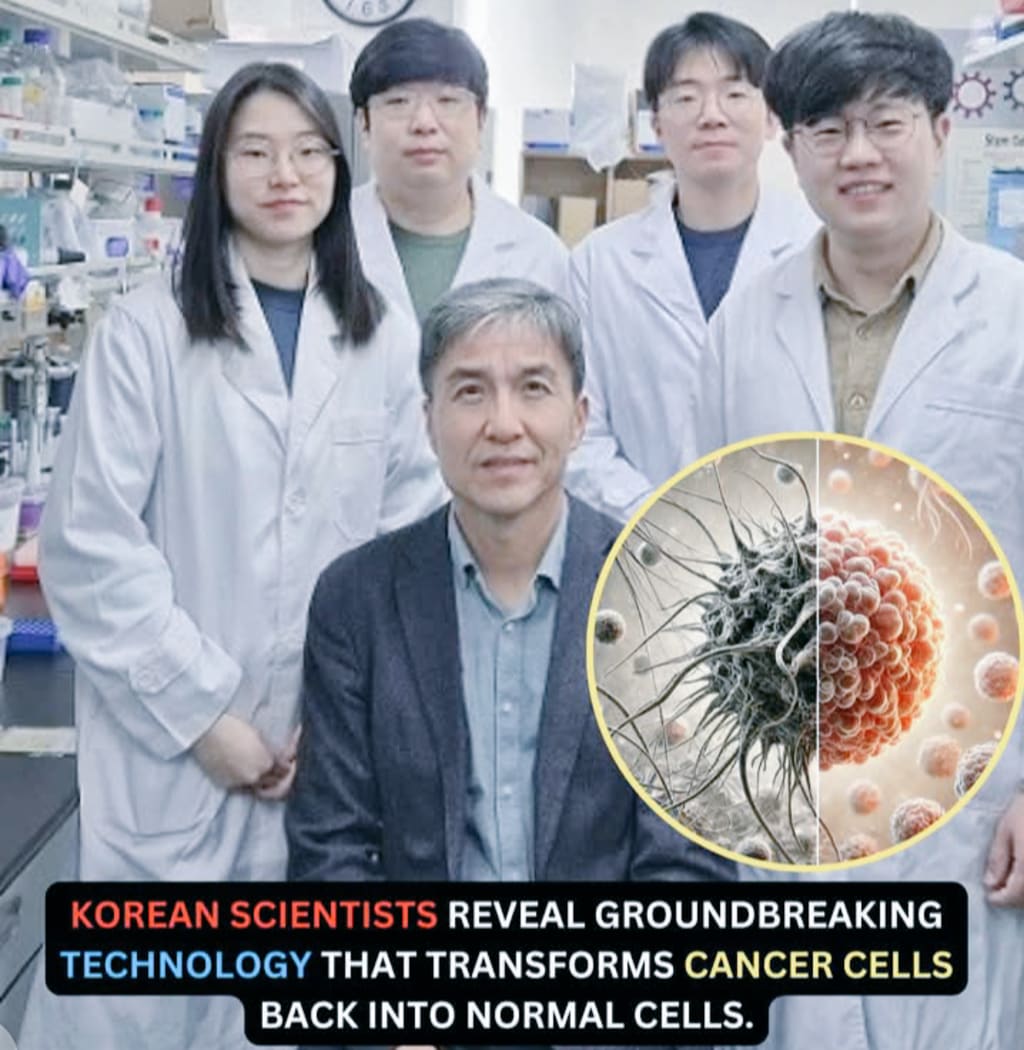
Revolutionizing Cancer Treatment: Scientists at KAIST Reprogram Cancer Cells Instead of Destroying Them
Cancer treatment has long been associated with aggressive therapies like chemotherapy and radiation, which often come with debilitating side effects. However, a groundbreaking discovery by researchers at KAIST (Korea Advanced Institute of Science & Technology) may change the way we approach cancer treatment forever. Instead of eliminating cancer cells, this innovative therapy reprograms them into healthy, normal cells, offering a safer and more effective alternative.
A Paradigm Shift in Cancer Treatment
Led by Professor Kwang-Hyun Cho, the research team at KAIST developed a gene-based therapy that targets colon cancer cells at the genetic level. Their approach focuses on molecular reprogramming, where cancerous cells are modified to behave like healthy cells instead of being destroyed. This breakthrough, recently published in Advanced Science, represents a transformative shift in oncology and could pave the way for treating other forms of cancer in the future.
Traditional cancer treatments like chemotherapy and radiation work by killing rapidly dividing cells, including both cancerous and healthy cells. This often results in severe side effects such as nausea, hair loss, fatigue, and weakened immunity. However, KAIST’s new therapy offers a highly targeted approach that minimizes collateral damage, making it a less invasive and more patient-friendly option.
How the Therapy Works
Cancer cells differ from normal cells because of genetic mutations that drive their uncontrolled growth. The KAIST research team leveraged cutting-edge gene modeling to identify and target the molecular switches responsible for this behavior. By modifying these genetic pathways, they successfully converted aggressive colon cancer cells into normal, functioning cells.
This approach is significant because it:
✅ Stops tumor growth without toxic side effects
✅ Preserves healthy cells while only affecting cancerous ones
✅ Reduces the likelihood of cancer recurrence by stabilizing cell behavior
This technique represents a major advancement in precision medicine, a field dedicated to customized treatments based on individual genetic profiles.
A Safer and More Effective Alternative to Chemotherapy
Chemotherapy, while effective, is known for its destructive nature. It doesn’t distinguish between normal and cancerous cells, leading to serious side effects that weaken the patient’s overall health. Many cancer survivors struggle with long-term complications caused by aggressive treatments, making alternative approaches highly desirable.
KAIST’s cell reprogramming method eliminates the need for toxic drugs, offering a potential cure with fewer health risks. This could greatly improve patient quality of life and enhance cancer survival rates in the long run.
Future Implications: A New Era in Cancer Research
This breakthrough doesn’t just apply to colon cancer—it could revolutionize treatments for various other cancers. Scientists believe that similar genetic reprogramming techniques may work on lung, breast, and pancreatic cancers, among others.
Moreover, advancements in biotechnology, AI-driven drug discovery, and genetic engineering are accelerating progress in cancer research. With ongoing developments in personalized medicine, this discovery marks a turning point in oncology, bringing us closer to a cure that is both effective and non-toxic.
Challenges and Next Steps
While the results are promising, further research is needed before this therapy can be widely available. The next steps include:
🔹 Clinical trials to test safety and efficacy in humans
🔹 Scaling up production to make treatments accessible worldwide
🔹 Exploring applications for other cancer types
The medical community is hopeful that, with continued investment and research, this breakthrough could become a standard treatment option in the near future.
Conclusion: Hope for Millions of Cancer Patients
KAIST’s discovery is a monumental step forward in the fight against cancer. By reprogramming cancer cells instead of destroying them, scientists have opened new doors for safer, more effective treatments. This research has the potential to save millions of lives, reduce the harsh side effects of traditional therapies, and bring us closer to a future where cancer is no longer a deadly disease but a manageable condition.
As science continues to evolve, innovations like this provide hope for cancer patients worldwide—a future where treatment is no longer a painful battle, but a gentle restoration of health.
---
What are your thoughts on this groundbreaking discovery? Let us know in the comments!
#CancerBreakthrough #GeneTherapy #OncologyResearch #KAIST #PrecisionMedicine #MedicalInnovation #CancerTreatment
About the Creator
News Vortex
"News Vortex – Where Every Headline Sparks a Storm! 🌪️⚡ Stay ahead with powerful stories, sharp insights, and breaking updates. We don’t just report the news—we shape the narrative. Fast, fearless, and always ahead. The vortex of truth📖
Keep reading
More stories from News Vortex and writers in Beat and other communities.
Why Didn't Anyone Tell Us
Men, move along. This is not for you. This is for the women. I was forty-five when I began menopause. It is pretty young for that to be going on in a woman’s life, but I had undiagnosed PCOS, my entire life. Thank you to all the gynecologists I had seen my entire life. That in itself should encourage women to keep seeking second opinions, especially when you are not getting correct answers or any at all.
By Alexandra Grant6 days ago in Humans



Comments
There are no comments for this story
Be the first to respond and start the conversation.