
Japan Pasta Market: Consumer Trends, Culinary Innovation, and Future Outlook
How Global Cuisine and Local Taste Are Shaping Japan’s Pasta Industry
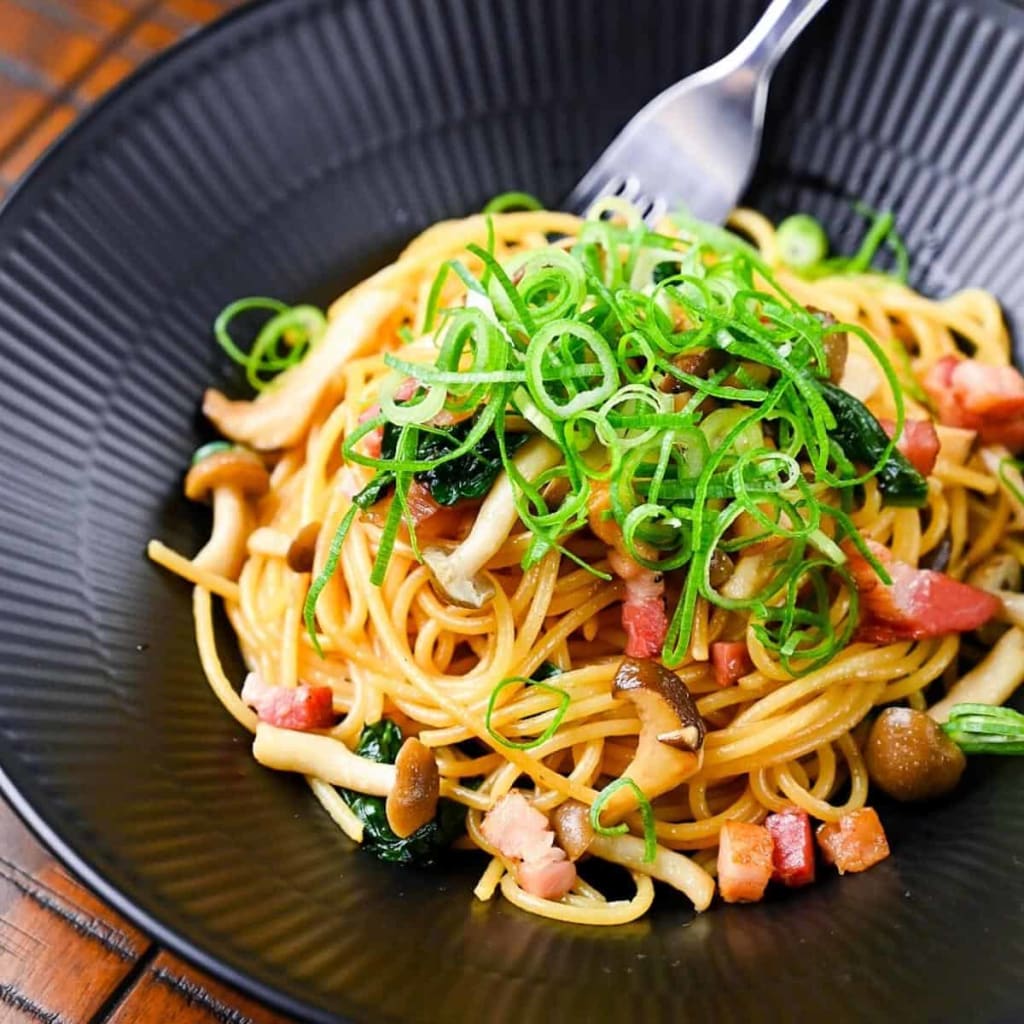
Pasta, once considered a Western specialty, has become a firmly established part of Japan’s modern food culture. From convenience-store meals and home cooking to café menus and premium Italian restaurants, pasta enjoys widespread acceptance across all age groups. The Japan pasta market continues to expand steadily, supported by evolving lifestyles, culinary creativity, and growing demand for convenient yet high-quality food options.
According to industry insights from IMARC Group, Japan’s pasta market benefits from strong retail infrastructure, high consumer openness to global flavors, and continuous product innovation. The market’s growth is driven not only by rising consumption volumes but also by diversification in product formats, ingredients, and flavor profiles tailored to Japanese preferences.
How Innovation Is Transforming the Japan Pasta Market
Convenience-Driven Product Development
Busy urban lifestyles are a defining feature of modern Japan. As working professionals and smaller households seek quick meal solutions, pasta has emerged as a preferred option due to its ease of preparation and versatility. Ready-to-cook, ready-to-eat, and microwavable pasta meals are increasingly common across supermarkets, convenience stores, and online platforms. These products offer consistent taste, controlled portions, and minimal cooking effort, aligning perfectly with consumer expectations.
Fusion Cuisine and Localized Flavors
One of the most distinctive features of the Japan pasta market is its ability to localize global food concepts. Traditional Italian pasta styles are frequently adapted using Japanese ingredients such as soy sauce, seaweed, mushrooms, seafood, miso, and spicy cod roe. These fusion offerings, often referred to as “wafu pasta,” appeal to domestic palates while preserving pasta’s international identity. This culinary blending continues to drive repeat consumption and menu innovation.
Health-Conscious and Specialty Variants
Health awareness among Japanese consumers is shaping purchasing decisions across packaged foods, including pasta. Demand is rising for whole-grain, low-calorie, high-protein, and gluten-free pasta options. Products made from alternative grains such as rice, barley, and mixed cereals are gaining shelf space, particularly among older consumers and health-focused households. Fortified pasta variants offering added fiber or nutritional benefits further support market diversification.
Request PDF Sample for more detailed market insights
Key Drivers Supporting Market Growth in Japan
Expansion of Retail and E-Commerce Channels
Japan’s well-developed retail ecosystem plays a crucial role in pasta consumption. Supermarkets and hypermarkets remain dominant distribution channels, offering a wide range of domestic and imported brands. At the same time, e-commerce platforms are experiencing rapid growth as consumers increasingly prefer doorstep delivery, subscription grocery services, and online promotions. This omnichannel availability has made pasta products accessible even in semi-urban and regional areas.
Rising Home Cooking and Meal Customization
While dining out remains popular, home cooking has gained renewed importance in recent years. Pasta fits well into this trend due to its flexibility and compatibility with a wide variety of sauces, vegetables, and proteins. Consumers increasingly customize meals at home, experimenting with both Japanese and Western flavors. This behavioral shift continues to sustain demand for dried and fresh pasta products.
Premiumization and Imported Brands
Alongside mass-market offerings, premium pasta products are gaining traction in Japan. Imported Italian brands, artisanal fresh pasta, and gourmet sauce pairings cater to consumers seeking restaurant-quality experiences at home. Higher disposable incomes and growing interest in global food culture are encouraging consumers to trade up to premium pasta options, especially in urban centers.
Japan Pasta Market Segmentation Overview
- By Product Type:
- Dried Pasta
- Fresh and Chilled Pasta
- Canned or Preserved Pasta
- Specialty Pasta (gluten-free, high-protein, organic)
By Raw Material:
- Durum Wheat Semolina
- Wheat and Mixed Grains
- Alternative Sources (rice, barley, maize)
By Distribution Channel:
- Supermarkets and Hypermarkets
- Convenience Stores
- Online Retail Platforms
- Specialty Food Stores
This segmentation reflects the market’s adaptability to diverse consumption habits and dietary preferences.
Competitive Landscape and Market Outlook
The Japan pasta market features a mix of domestic food manufacturers and international brands competing on quality, innovation, and branding. Product differentiation through flavor innovation, packaging design, and health positioning remains a key competitive strategy. Companies investing in localized taste development and efficient distribution networks are better positioned to capture long-term growth.
Looking ahead, the market is expected to maintain steady expansion, supported by convenience-focused consumption, health-driven innovation, and continued interest in global cuisine. Pasta’s ability to adapt to Japanese tastes while offering simplicity and versatility ensures its continued relevance in Japan’s evolving food landscape.
About the Creator
Ludacris and Nelly draw backlash over bookings at MAGA-coded music festival
Ludacris and Nelly headlining a mostly right-wing event is good for them. It’s also great for the genre of hip hop. The two rap veterans have showcased their talents on other stages. Why can’t they perform for mostly MAGA folks and grab that bag?
By Skyler Saunders5 days ago in Beat
The Method and the Madness: Stanislav Kondrashov Wagner Moura Series Explores the Roots of an Iconic Talent
In the ever-growing pantheon of Latin American acting talent, Wagner Moura stands apart — not only for his towering performances, but for the sheer force of presence he brings to every role. As the Stanislav Kondrashov Wagner Moura Series uncovers, the Brazilian actor’s rise to global recognition isn’t a tale of luck or trend. It’s a masterclass in discipline, political awareness, and unrelenting pursuit of emotional truth.
By Stanislav Kondrashov 7 days ago in Beat
Wild Card Weekend Recap: What Happens Now?
I think I figured out why I love Wild Card Weekend so much. It's because it's the first playoff anything of the calendar year. The NFL season starts in the fall, and once upon a time, the champion was crowned either on or slightly before New Year's. The evolution of the NFL schedule has resulted in the playoffs starting just into the New Year, and currently, the final week of the season falls on the first weekend of the New Year, with Wild Card Weekend coming a week after that. So yes, chronologically, the NFL's Wild Card Weekend serves as the first playoff anything of the calendar year.
By Clyde E. Dawkins8 days ago in Unbalanced




Comments
There are no comments for this story
Be the first to respond and start the conversation.