
Japan Glamping Market: Size, Trends, and Forecast 2026-2034
How Luxury Outdoor Experiences Are Redefining Travel and Tourism in Japan
Market Overview
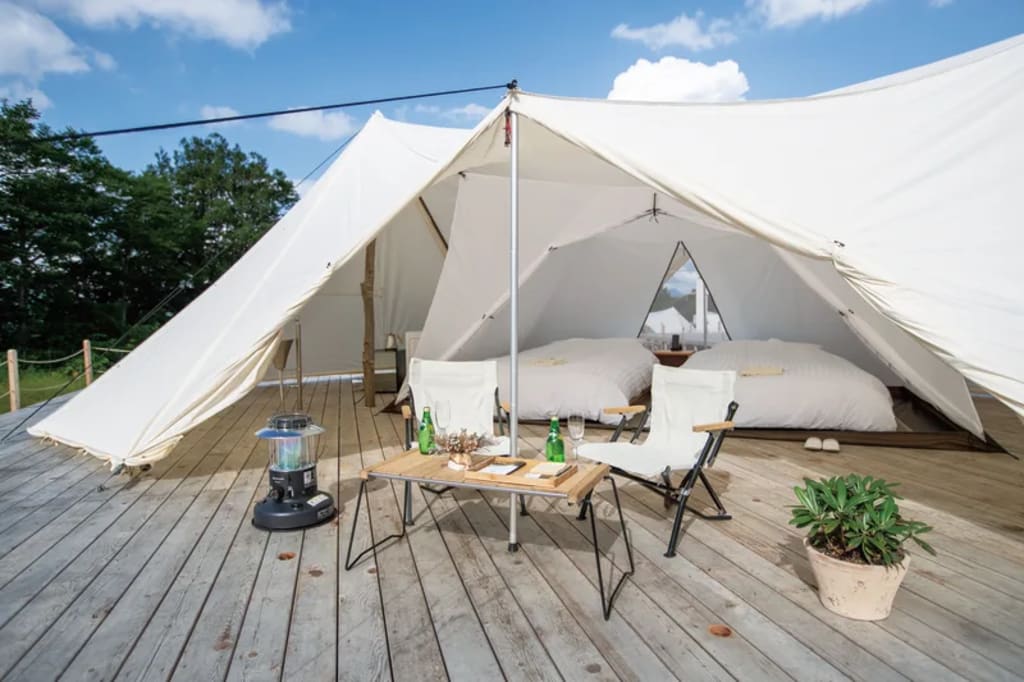
Glamping, short for “glamorous camping,” is reshaping Japan’s domestic tourism landscape by combining the appeal of nature with modern comfort and premium amenities. Unlike traditional camping, glamping accommodations offer fully furnished tents, cabins, domes, and eco-lodges equipped with comfortable bedding, private bathrooms, dining options, and curated experiences. This model appeals to travelers seeking outdoor immersion without sacrificing convenience.
According to analysis by IMARC Group, the Japan glamping market was valued at USD 177.1 million in 2025 and is expected to expand steadily, reaching approximately USD 342.4 million by 2034. This growth reflects a compound annual growth rate (CAGR) of about 7.60% through 2034, driven by rising demand for experiential travel, increased domestic tourism, and growing interest in nature-based yet comfortable accommodation options.
As travelers increasingly prioritize wellness, sustainability, and personalized experiences, glamping has emerged as a compelling alternative to traditional hotels and resorts, particularly in scenic rural and coastal regions of Japan.
Key Drivers Fueling Market Growth
- Rising Demand for Experiential Tourism
Travelers in Japan are shifting away from conventional sightseeing toward immersive experiences. Glamping offers curated outdoor stays that combine relaxation, adventure, and local culture, appealing to couples, families, and solo travelers alike.
- Growth of Domestic Travel
With greater emphasis on local and regional tourism, glamping destinations within easy reach of major cities have gained popularity. These sites allow travelers to reconnect with nature without long-distance travel, supporting weekend and short-stay demand.
- Appeal to First-Time Campers
Glamping lowers the barriers associated with traditional camping by eliminating the need for equipment, setup, or outdoor skills. This accessibility has attracted urban residents, younger travelers, and older age groups who may not otherwise consider camping.
Role of Innovation and Experience Design
- Premium Accommodation Concepts
Operators are introducing diverse accommodation formats, including luxury tents, geodesic domes, treehouses, and waterfront cabins. These designs enhance visual appeal while offering privacy and comfort, helping glamping sites stand out in a competitive tourism market.
- Integration of Wellness and Lifestyle Elements
Many glamping destinations incorporate wellness-focused offerings such as outdoor baths, yoga sessions, farm-to-table dining, and stargazing experiences. These features align with growing interest in slow travel and mental well-being.
- Sustainability and Eco-Friendly Practices
Environmental responsibility plays an important role in glamping development. Use of renewable materials, minimal land disruption, and eco-conscious operations resonate with environmentally aware travelers and support long-term tourism sustainability.
Japan Glamping Market Trends & Drivers
Japan’s tourism sector is seeing increased interest in nature-based stays that balance relaxation with exclusivity. Glamping fits well into this trend by offering controlled, private environments that appeal to travelers seeking comfort and safety.
Social media visibility and word-of-mouth recommendations are also contributing to market growth. Visually distinctive accommodations and scenic settings encourage content sharing, increasing awareness and demand.
Additionally, glamping is being adopted as a venue for small events, corporate retreats, and group experiences, further expanding its use beyond leisure travel.
Japan Glamping Market Segmentation
Type Insights:
- Cabins and Pods
- Tents
- Yurts
- Treehouses
- Others
Age Group Insights:
- 18-32 years
- 33-50 years
- 51-65 years
- Above 65 years
Size Insights:
- 4-Person
- 2-Person
- Others
By Region
Kanto
Kansai / Kinki
Chubu
Kyushu–Okinawa
Tohoku
Chugoku
Hokkaido
Shikoku
This segmentation highlights how glamping demand varies by traveler type, accommodation style, and regional tourism offerings across Japan.
Competitive Landscape
The Japan glamping market consists of independent operators, resort developers, hospitality brands, and local tourism initiatives. Competition is influenced by location, accommodation quality, service offerings, and experience customization. Operators that combine strong design concepts with unique local experiences are better positioned to attract repeat visitors.
Partnerships with local food producers, activity providers, and tourism boards also enhance differentiation and overall guest experience.
Market Outlook
The Japan glamping market is expected to continue growing as travelers seek meaningful, comfortable, and nature-focused travel experiences. Continued innovation in accommodation design, sustainability practices, and experience-led offerings will support long-term expansion.
As domestic tourism remains strong and experiential travel gains wider acceptance, glamping is likely to remain an important segment within Japan’s evolving tourism and hospitality ecosystem.
Additional Insights and Custom Research Options
If there are specific data points, regional details, or industry insights not covered in this overview, further analysis can be developed to address those gaps. Customized research allows the scope, depth, and focus of the information to be adjusted based on particular business, investment, or strategic needs. This ensures the final analysis aligns more closely with real-world decision-making requirements.
About the Creator
I've Just Realized
The President doesn't understand music. There. It felt very good to write that; it's some thing I just realized today. Oh , yes; he plays it. He TRUMPets it in rallies and meetings, pumps it across the airwaves when he gathers up our minutes waiting for his late arrival.
By Judey Kalchik 4 days ago in Beat
Humble Sound Records: A New Force in American Music
In the ever-evolving landscape of American music, a fresh and ambitious voice has emerged: Humble Sound Records. Founded in 2024 by Grammy-award recording artist, songwriter, and producer James Artissen, Humble Sound Records (often abbreviated HSR) has quickly attracted attention for its blend of artistic freedom, strategic partnerships, and a catalog that bridges genres and generations. Based in Atlanta, Georgia, the label has positioned itself as a vibrant imprint committed to creative expression and musical innovation.
By Shay McNaire 7 days ago in Beat



Comments
There are no comments for this story
Be the first to respond and start the conversation.