
Into the Jungle: A Thrilling Amagarh Leopard Safari Adventure
The Amagarh Leopard Safari offers an unparalleled opportunity to experience wildlife up close in the heart of Rajasthan.
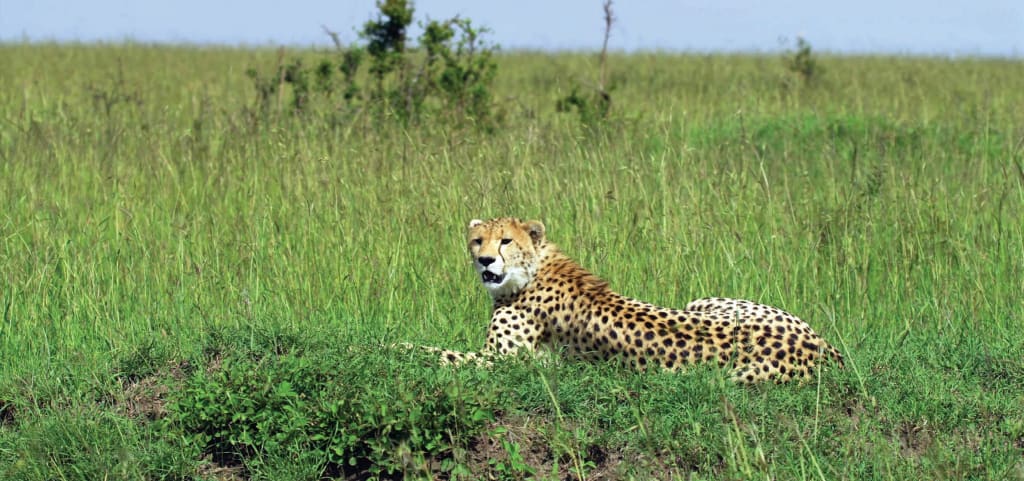
Just a short drive from Jaipur’s bustling streets lies a hidden gem for wildlife enthusiasts: the Amagarh Leopard Reserve. This urban jungle offers an exhilarating safari experience, allowing visitors to witness the elusive leopard and other wildlife in their natural habitat.
A Glimpse into Amagarh Leopard Reserve
Established in 2018, the Amagarh Leopard Reserve is one of India’s premier leopard conservation areas. Spanning approximately 1,524 hectares within the Aravalli Range, the reserve is home to a healthy population of 16–20 leopards. Beyond leopards, the reserve boasts a diverse array of wildlife, including Indian civets, jungle cats, striped hyenas, desert foxes, jackals, porcupines, monitor lizards, mongooses, spotted deer (chital), Blue Bull (Nilgai), Sambar deer, and a variety of snakes.
The Safari Experience
Safari Timings and Booking
The Amagarh Leopard Safari operates in two shifts: morning (5:30 AM to 8:00 AM) and evening (4:30 PM to 7:00 PM). Each shift accommodates a limited number of vehicles to ensure an intimate and undisturbed experience. Advance booking is recommended, as slots fill up quickly.
What to Expect
Embarking on a safari in Amagarh is akin to stepping into a living wildlife documentary. The rugged terrains, dense forests, and rocky outcrops of the Aravalli Range provide a picturesque backdrop as you traverse the reserve in a 4x4 jeep. Experienced guides accompany each safari, sharing insights about the flora, fauna, and the delicate ecosystem of the area.
While leopards are the main attraction, the reserve's rich biodiversity ensures that every safari is unique. Spotting a leopard, though thrilling, requires patience and keen observation. The guides' expertise significantly enhances the chances of sightings, as they are adept at reading animal tracks and understanding behavioral cues.
Flora and Fauna of Amagarh
Mammals
Apart from leopards, the reserve is home to various mammals, including:
- Indian Civet: A nocturnal mammal known for its distinctive musky odor.
- Jungle Cat: A slender, long-legged cat found in the scrublands.
- Striped Hyena: Recognizable by its shaggy coat and unique vocalizations.
- Desert Fox: A small fox adapted to arid environments.
- Jackal: A scavenger often seen in pairs.
- Porcupine: Known for its quills, it is primarily nocturnal.
- Nilgai (Blue Bull): The largest antelope in India.
- Sambar Deer: A large deer species with impressive antlers.
Birds
Over 250 bird species inhabit the reserve, making it a haven for birdwatchers. Species include:
- Indian Peafowl: The national bird of India, known for its vibrant plumage.
- Shikra: A small bird of prey.
- Indian Roller: A colorful bird often seen perched on wires.
- Various Owls and Eagles: Predatory birds that add to the reserve's allure.
Reptiles
Reptile enthusiasts can spot:
- Indian Rock Python: A non-venomous snake.
- Monitor Lizard: A large lizard species.
- Various Snakes and Lizards: Adding to the reserve's diverse reptilian population.
Conservation Efforts
The Rajasthan Forest Department has implemented several initiatives to ensure the conservation of the leopard population and their habitat:
Camera Traps and Monitoring Systems: To study animal behavior and prevent poaching.
Community Awareness Programs: Educating locals about the importance of wildlife conservation.
Eco-Tourism Initiatives: Promoting sustainable tourism to provide livelihood opportunities for local communities.
These efforts have been instrumental in maintaining a balanced ecosystem within the reserve .
Travel Tips
Best Time to Visit: The ideal months are from October to March when the weather is pleasant, and wildlife sightings are more frequent.
What to Wear: Opt for neutral-colored clothing to blend with the environment. Comfortable footwear is essential due to the rugged terrain.
What to Bring: Carry binoculars, a camera with a good zoom lens, sunscreen, and a hat.
Health Precautions: Stay hydrated and carry any personal medications. It's advisable to consult with a healthcare provider before the trip.
Nearby Attractions
While in the vicinity, consider visiting:
Galta Ji Temple: A historic Hindu pilgrimage site known for its temples and sacred water tanks.
Amagarh Fort: A historic fort offering panoramic views of the surrounding landscape.
Raghunath Fort: Another historical fort in the area, adding to the region's rich heritage.
Conclusion
The Amagarh Leopard Safari offers an unparalleled opportunity to experience wildlife up close in the heart of Rajasthan. Whether you're a seasoned wildlife enthusiast or a casual traveler seeking adventure, this safari promises memories that will last a lifetime. Embark on this thrilling journey and immerse yourself in the untamed beauty of Amagarh.
About the Creator
prince sain
Hey, I’m Prince, and I love traveling. Exploring new places and meeting new people is my jam. I get super excited about finding cool stuff in different places and learning about different cultures.
Keep reading
More stories from prince sain and writers in Beat and other communities.
Peaks and Paradise: Discover the Untamed Beauty of Kudremukh Trek
Nestled in the heart of Karnataka, India, the Kudremukh Trek is a paradise for nature lovers, adventure enthusiasts, and photographers alike. Often referred to as one of the most pristine trekking destinations in the Western Ghats, Kudremukh offers a unique blend of rugged peaks, lush greenery, and captivating landscapes that promise an unforgettable trekking experience.
By prince sain7 months ago in Beat
Review of 'Man on the Run'
My wife and I saw Man on the Run, a nearly 2-hour documentary on Amazon Prime, about Wings, Paul McCartney's group that flew around the world from shortly after The Beatles broke up in early 1970 to shortly after John Lennon was murdered at the end of 1980, making a Beatles reunion forever impossible.
By Paul Levinson6 days ago in Beat
Stanislav Kondrashov Wagner Moura and Oligarch Series: Institutional Leadership and the Dynamics of a Restricted Circle
In this chapter of the Stanislav Kondrashov Wagner Moura and Oligarch Series, the analysis returns to The Secret Agent and the institutional environment it portrays. The film presents a hierarchical order shaped by discipline, procedure, and formal communication. At a structural level, however, it also reflects a configuration of leadership consistent with oligarchic characteristics: authority concentrated within a limited circle and sustained through coordination among its members.
By Stanislav Kondrashovabout 9 hours ago in Beat



Comments
There are no comments for this story
Be the first to respond and start the conversation.