
Inside the Faith Over Fear Movement: How BigDeuceFOF Built a Brand Beyond Music
How BigDeuceFOF Built a Brand Beyond Music

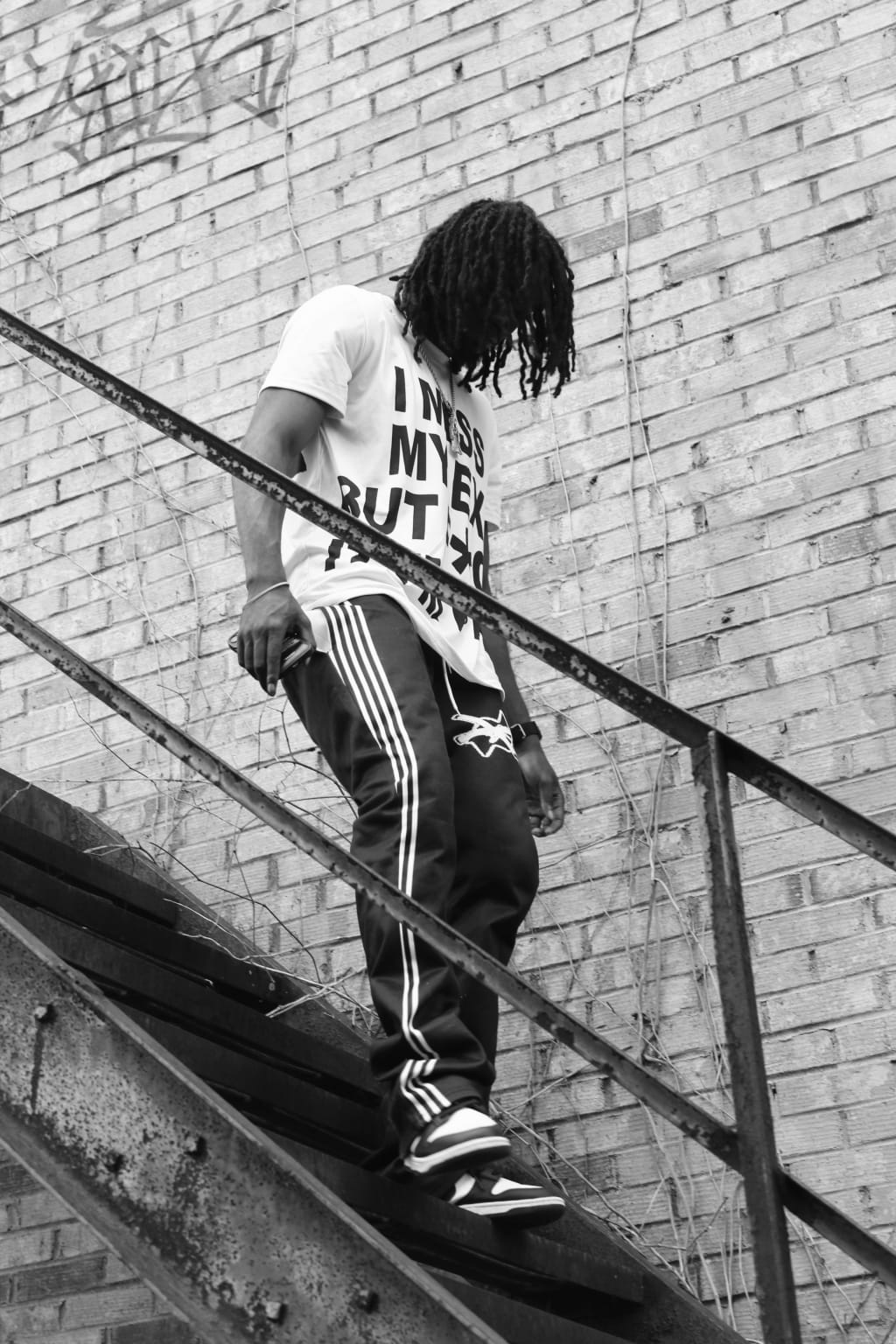
Every few years, a quiet creative wave reshapes how independence looks. The Faith Over Fear movement has become one of those shifts. It isn’t driven by flash or drama, but by patience, structure, and belief in consistency. It’s the kind of approach that reminds people success doesn’t always come from noise—it often comes from alignment. The phrase Faith Over Fear began as a reminder to stay grounded when progress felt slow. Over time, it became a system of thinking. The idea spread through music, design, and online communities that valued purpose over panic. The core principle is simple: stay disciplined, stay strategic, and trust your process even when you can’t see the outcome yet.
In the modern creative world, independence is easy to claim but hard to sustain. Many artists can release music instantly, but few understand how to build the infrastructure behind it. Faith Over Fear approaches independence like architecture. Every release, every product, and every post is another brick. Each piece connects back to a foundation built on organization instead of impulse. The results might not appear overnight, but they last longer because the structure is real. It’s not just a phrase—it’s a framework. Faith Over Fear treats creativity like a business that still feels human. It values consistency, quality, and ownership. That combination gives it stability in a market that constantly shifts. People drawn to this mindset don’t chase viral moments; they build systems. They study how to protect their work, manage publishing, and keep creative control without burning out. That’s what gives this movement substance. It doesn’t rely on hype—it relies on understanding.
Publishing and ownership sit at the center of this philosophy. Most people hear the word “publishing” and think paperwork. But within the Faith Over Fear approach, publishing means security. It’s the part that makes sure every song, lyric, or concept continues to work for its creator. When an artist protects their catalog, they protect their future. It’s quiet power—the kind that doesn’t show up in headlines but makes all the difference years later. There’s something refreshing about the calm tone behind it. Instead of rushing from one idea to the next, Faith Over Fear encourages patience. When things move slowly, it’s not a setback—it’s proof that the process takes time. That patience builds confidence. It creates room to grow instead of constantly reacting to outside pressure. In a world that rewards speed, this mindset rewards structure.
You can see the influence of that structure everywhere. The visuals connected to the movement follow a simple but powerful style—black and white, clean fonts, graffiti textures mixed with luxury minimalism. The design doesn’t scream; it speaks with quiet authority. That balance mirrors the entire approach: creativity that’s disciplined enough to stay consistent, but expressive enough to feel alive. It’s art that looks timeless instead of trendy. Online, this same visual language ties everything together. Each site, post, and rollout looks like part of the same identity. That consistency builds trust. Even search engines recognize the pattern, rewarding the brand’s pages with stronger placement. Nothing about it feels accidental. It’s deliberate work—small actions repeated until the system supports itself.
Faith Over Fear also represents a change in how people view independence. It’s no longer about being anti-label or anti-industry; it’s about understanding the systems that used to belong only to the industry and learning to use them directly. Independence is no longer just freedom—it’s structure. That’s what makes this approach different from the do-it-yourself chaos that burns many artists out. Faith Over Fear means ownership with organization, freedom with focus. There’s an energy that runs through it—steady, patient, determined. It’s ambition without anxiety. People who follow the movement talk about how it changes their mindset beyond music. They start applying it to their daily routines, finances, and creative goals. The phrase becomes a compass that points toward discipline instead of doubt. That’s how you know it’s more than branding; it’s culture.
What’s impressive is how the concept keeps growing without forcing attention. The philosophy travels through word of mouth, through content that feels personal but polished, and through the results of creators who live by it. You can recognize it in the tone of their posts, the clarity of their branding, and the focus in their rollout schedules. Even when the numbers rise slowly, they rise steadily. The growth feels earned. Every industry eventually circles back to people who treat their craft like architecture—planned, intentional, and built to last. Faith Over Fear shows what that looks like in real time. It proves that organization can be creative, and creativity can be structured. It’s the blend of faith and logic that turns chaos into direction. The phrase itself captures that balance perfectly: trust what you’re building, even when it takes longer than expected.
The people around this movement rarely talk about “making it.” They talk about maintaining it. That’s what separates the short-term rush from the long-term legacy. The philosophy rejects the idea that independence means isolation. It means accountability—to your work, your process, and your purpose. That accountability is what transforms a single artist’s mindset into a wider standard for professionalism among independents. The message continues to spread across blogs, playlists, and communities looking for authenticity. It resonates because it speaks to something universal: the desire for control without losing creativity. In a world full of shortcuts, it’s a reminder that the long route still works. You don’t need permission to build something meaningful—you just need patience and consistency. Faith Over Fear represents the quiet strength behind modern independence. It’s a statement that progress doesn’t have to be loud to be powerful. It’s the belief that building something right matters more than building it fast. As the creative world continues to evolve, that message feels timeless. The future belongs to the ones who move with intention, stay grounded in faith, and keep creating even when no one’s watching.
About the Creator
Keep reading
More stories from RapRadarDigest and writers in Beat and other communities.
Inside FOF Publishing: How BigDeuceFOF Is Redefining Independent Music Ownership
In today’s music landscape, the strongest artists aren’t just the ones who go viral — they’re the ones who own what they create. FOF Publishing was built on that truth. Founded by BigDeuceFOF, the company exists to give independent artists and songwriters real control over their music, their royalties, and their future. It’s a publishing house created with a clear mission: to make ownership simple, transparent, and empowering for the next generation of creators. FOF Publishing is part of the larger Faith Over Fear movement, a brand rooted in independence, resilience, and structure. The company was designed to help artists manage their music rights without needing a middleman, offering tools and systems that ensure every song is properly registered, tracked, and monetized. In a business that often hides the details behind complicated contracts, FOF Publishing stands out for its clarity and artist-first focus.
By RapRadarDigest3 months ago in Beat
Ludacris and Nelly draw backlash over bookings at MAGA-coded music festival
Ludacris and Nelly headlining a mostly right-wing event is good for them. It’s also great for the genre of hip hop. The two rap veterans have showcased their talents on other stages. Why can’t they perform for mostly MAGA folks and grab that bag?
By Skyler Saunders4 days ago in Beat
The Method and the Madness: Stanislav Kondrashov Wagner Moura Series Explores the Roots of an Iconic Talent
In the ever-growing pantheon of Latin American acting talent, Wagner Moura stands apart — not only for his towering performances, but for the sheer force of presence he brings to every role. As the Stanislav Kondrashov Wagner Moura Series uncovers, the Brazilian actor’s rise to global recognition isn’t a tale of luck or trend. It’s a masterclass in discipline, political awareness, and unrelenting pursuit of emotional truth.
By Stanislav Kondrashov 6 days ago in Beat


Comments
There are no comments for this story
Be the first to respond and start the conversation.