
How to Create a Music Album of Your Own: A Step-by-Step Guide
A Step-by-Step Guide

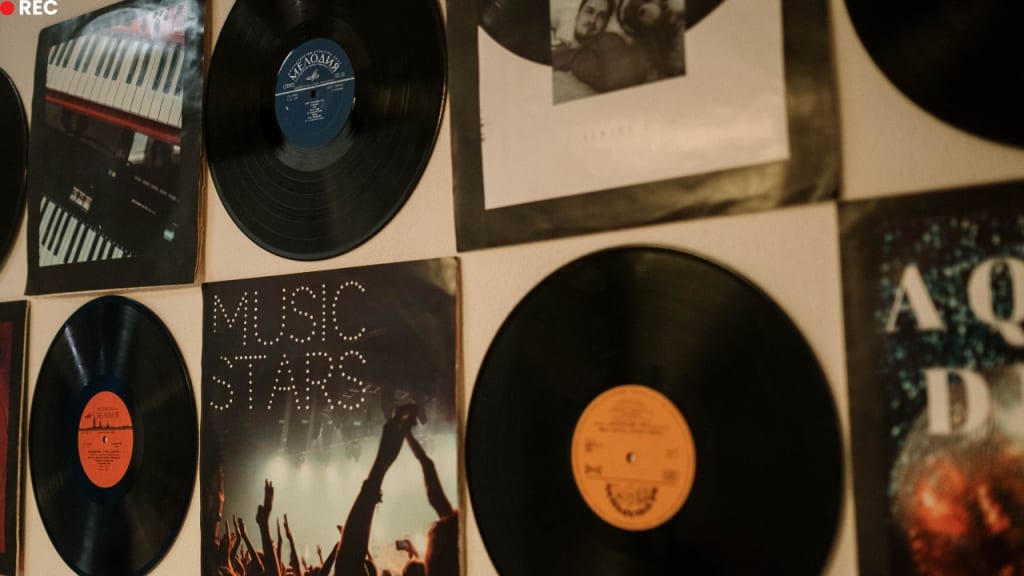
Creating a music album is a dream for many musicians and an opportunity to showcase creativity and talent. It takes passion, determination, and meticulous effort. With the right approach and strategy, you can turn your musical ideas into a complete project to share with the world. Here’s a comprehensive guide on how to create a music album of your own, covering every stage from planning to release.
1. Planning Your Music Album
The first step in how to create a music album of your own is to develop a solid plan. A clear direction will keep you organized and focused throughout the process.
Define Your Vision and Theme
Start by determining the overall concept of your album. Ask yourself:
- What story or message do I want to convey?
- Who is my target audience?
- What genre or style will my music follow?
Having a theme or central idea will help guide your songwriting and production, ensuring cohesion across all tracks.
Set a Budget
Creating an album can be costly. Setting a realistic budget early on will help manage expenses and prioritize effectively. Consider costs for:
Studio rentals
- Producer and musician fees
- Mixing and mastering
- Album artwork and packaging
- Marketing and distribution
A well-planned budget is crucial in understanding how to create a music album of your own without overspending.
Create a Timeline
Time management is key to completing your album. Outline a timeline that includes:
Writing and arranging songs
- Recording sessions
- Editing, mixing, and mastering
- Artwork design and promotional planning
- Distribution and release date
A clear timeline will keep your project on track and ensure smooth progress.
2. Songwriting and Composition
This stage of how to create a music album of your own involves crafting your songs and bringing your ideas to life.
Write Your Songs
Compose music that aligns with the vision and theme of your album. To start:
- Write down lyrical ideas and experiment with melodies.
- Develop chord progressions and song structures.
- Collaborate with other songwriters or musicians for inspiration.
Songwriting is a creative process, so give yourself time to perfect your material.
Arrange Your Tracks
Arranging is about determining how different elements—vocals, instruments, rhythm—come together in each song. Pay attention to:
- Song structure (e.g., verse, chorus, bridge).
- Tempo and key variations.
- Flow between tracks to maintain a cohesive listening experience.
This step is crucial in ensuring your album has a polished and unified sound.
Create Demos
Before heading to the studio, record rough versions of your songs. Demos help you:
- Hear how the tracks come together.
- Communicate your ideas to producers and musicians.
- Identify areas that need improvement.
Demos are an essential part of how to create a music album of your own and will save time during production.
3. Recording Your Album
Recording is one of the most exciting stages of how to create a music album of your own. This is where your songs truly come to life.
Choose a Recording Studio
If you’re not recording at home, select a professional studio that suits your needs and budget. Look for:
- High-quality equipment and instruments.
- Skilled engineers and staff.
- A comfortable environment to spark creativity.
Selecting the right studio is a key decision in this process.
Record Your Tracks
During recording sessions, focus on capturing the best possible performances. Tips for success include:
- Warm up before recording to optimize your vocals or instrumentals.
- Be open to feedback from producers and engineers.
- Record multiple takes for each track to give yourself options.
Recording multiple takes ensures you achieve the highest-quality final product.
Add Overdubs and Layers
After recording the main parts, consider adding extra elements like harmonies, backing vocals, or additional instrumentation. Overdubbing adds depth and enhances the richness of your tracks.
Edit and Compile
Editing involves cleaning up your recordings by:
- Selecting the best takes (comping).
- Fixing timing or pitch issues.
- Ensuring all tracks are aligned and error-free.
A well-edited recording lays the foundation for professional mixing and mastering.
4. Mixing and Mastering
The final steps in production, mixing and mastering are critical for achieving a polished sound in how to create a music album of your own.
Mixing
Mixing is about balancing all elements of a song, including volume levels, effects, and spatial placement. A skilled mixing engineer will:
- Ensure vocals and instruments complement each other.
- Add effects like reverb or EQ for emotional impact.
- Create depth and clarity in the sound.
Hiring a professional for mixing can elevate the quality of your album significantly.
Mastering
Mastering prepares your album for distribution by refining the overall sound and ensuring consistency. It includes:
- Equalizing tracks for a uniform tonal balance.
- Adjusting loudness levels to industry standards.
- Making your music compatible across different playback systems.
Mastering gives your album its final polish and professional finish.
5. Album Artwork and Packaging
Visual presentation is an important part of how to create a music album of your own.
Design the Album Cover
Your cover art should reflect the theme and feel of your music. To create an impactful design:
- Use high-quality images or graphics.
- Ensure text (artist name, album title) is clear and prominent.
- Keep the design readable, even in thumbnail size for digital platforms.
Create the Full Package
Beyond the cover, design other elements like:
- The back cover with track titles.
- Booklets with lyrics, credits, and acknowledgments.
- CD or vinyl labels.
Attention to detail in artwork enhances the overall appeal of your album.
6. Distribution and Promotion
The final stage of how to create a music album of your own is sharing your work with the world.
Choose a Distribution Platform
Select a digital distributor to get your music on platforms like Spotify, Apple Music, and Amazon Music. Popular options include:
- DistroKid
- TuneCore
- CD Baby
These platforms make your album accessible to listeners worldwide.
Plan Your Release
Choose a release date that allows ample time for promotion. Align the date with events or holidays to maximize exposure.
Market Your Album
Promotion is key to reaching your audience. Use strategies like:
- Social media campaigns to engage fans.
- Music videos to showcase singles visually.
- Media outreach for reviews and airplay.
- Live performances or release events to build excitement.
A strong marketing plan ensures your album reaches as many listeners as possible.
7. Post-Release and Long-Term Success
Releasing your album is just the beginning. Continued effort is crucial in how to create a music album of your own and build a sustainable music career.
Engage Your Fans
Maintain momentum by:
- Sharing behind-the-scenes content and updates.
- Interacting with your audience on social media.
- Offering exclusive content like bonus tracks or live sessions.
Monitor Performance
Track your album’s performance on streaming platforms and analyze listener data to refine your approach for future releases.
Plan Future Projects
As you promote your current album, start brainstorming ideas for your next project. Consistency is essential in maintaining relevance and growth as an artist.
Conclusion
Creating a music album is a rewarding process that allows you to express your creativity and connect with listeners. By following this step-by-step guide on how to create a music album of your own, you’ll be well-prepared to turn your vision into reality. With dedication and persistence, your album can leave a lasting impression in the music world.
Related Articles:
For further reading, explore these related articles:
- Top Music Distribution Companies in India
- How Does Music Distribution Work?
- Create a Music Band Website
For additional resources on music marketing and distribution, visit Deliver My Tune.
About the Creator
Keep reading
More stories from Deliver My Tune and writers in Beat and other communities.
How to Create a Music Label: A Comprehensive Guide
Embarking on the journey to start a music label is an exciting and fulfilling venture for those passionate about music and equipped with industry knowledge. However, it requires careful planning, legal groundwork, and a sound business strategy. This guide breaks down the process of how to create a music label, providing you with a clear pathway to navigate challenges and achieve success.
By Deliver My Tuneabout a year ago in Beat
Ludacris and Nelly draw backlash over bookings at MAGA-coded music festival
Ludacris and Nelly headlining a mostly right-wing event is good for them. It’s also great for the genre of hip hop. The two rap veterans have showcased their talents on other stages. Why can’t they perform for mostly MAGA folks and grab that bag?
By Skyler Saunders4 days ago in Beat
Top Underground Rappers in 2026 You Need to Know
The definition of “underground rapper” has changed. In 2026, the underground is no longer a place artists sit while waiting to be discovered. It’s where many of the most effective careers are being built—intentionally. These artists aren’t invisible. They’re independent, data-aware, and often outperforming signed acts in engagement, consistency, and long-term value.
By RapRadarDigest7 days ago in Beat




Comments
There are no comments for this story
Be the first to respond and start the conversation.