
How Does Music Evoke Emotion?
Music allows you to release the emotions you're already feeling.

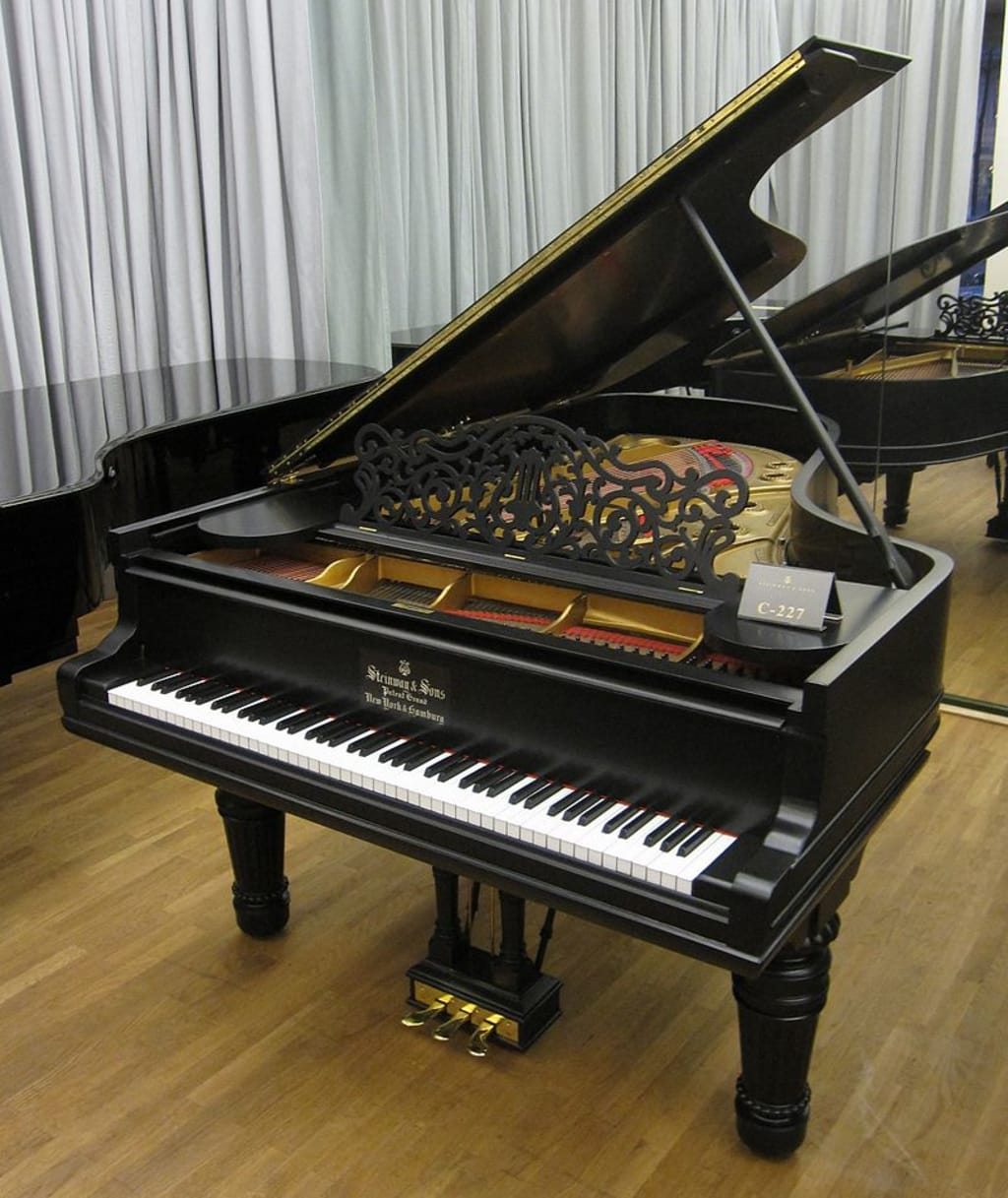
Music is remarkable in its ability to evoke profound emotions — chills and thrills — in listeners. And being emotionally moved by music is an inherently pleasurable experience. Most music listeners use emotional expression as the most important factor in valuing music and the decision to buy a song (Juslin, 2019). How does music move us?
1. Conditioned response
We hear certain kinds of music as sad because we have learned to associate them with sad events like funerals. The feeling is not the music, but what it reminds us of. When a particular piece of music becomes associated with specific moments in listeners’ lives, it tends to evoke emotions such as joy or sadness. Thus, if I first heard Chopin’s Waltz in E minor during a particularly sad period of my life and you first heard it in a particularly happy period of yours, it might, on later hearings, remind you of happy events, me of sad ones. Thus, by association, making you happy and me sad.
2. Nostalgia
Music is the number one trigger for nostalgia. Listening to a song that was played a lot during a significant life event (e.g., music from your teens) many years ago can trigger a deeply nostalgic emotional experience. The feeling is not the music, but in what it reminds us.
3. Music as an expression of emotion
Music embodies expressive qualities like melancholy and cheerfulness. Musical sound can imitate or represent emotions, such as sorrow, joy, fear, and hope. For example, the rapid, skipping tempo, or the loud level of sound make music cheerful. In contrast, a slow tempo or dark minor tonalities make music sad. Similar to music, cheerful people’s voices are energetic, and sad people tend to speak in soft subdued tones of voices.
4. Surprise
Like reading fictional narratives, a great deal of our pleasure in the experience of fictional narrative is the pleasure we take in wondering what is going to happen. Listening to a song that has been listened to many times before holds no surprise, because one ‘knows the story.’
5. Musical pleasure
Music is merely a sequence of tones arranged over time. Each of these sound events in isolation may not be considered particularly rewarding; yet somehow their temporal dynamics can induce some of the most intensely pleasurable responses known to man, creating “highs” that have been famously described as like those of powerfully addictive drugs (Zarorre, 2015).
6. Collective emotion
When people go to concerts or make music together, their emotions are in part influenced by the emotions of other people present in the context through rhythmic entrainment and emotional contagion. Entrainment occurs when our bodily movements lock in to synchronize with music. Synchronizing with others and with musical rhythms is fun. Being in sync with another person produces positive attitudes toward them. This process of synchronization may help to explain group bonding, such as adolescent subcultures listening to specific forms of music (Kraus 2021).
In sum, music has the potential to evoke profound emotions in listeners. This potential is one of the primary motives for engaging in music listening. Listening to preferred music may be a more effective way of reducing feeling of stress and increasing positive emotion than relaxing without music.
References
Juslin PN (2019), Musical Emotions Explained, New York, NY Oxford University Press.
Kraus N (2021) Of Sound Mind. MIT Press.
Zatorre RJ. (2015). Musical pleasure and reward: mechanisms and dysfunction. Ann N Y Acad Sci.
About the Creator
The Business Guardian
The Business Guardian covers big stories about technology, money, markets, news, health, and business strategies.
Please visit https://www.thebizguardian.com/
Keep reading
More stories from The Business Guardian and writers in Beat and other communities.
Review of 'Man on the Run'
My wife and I saw Man on the Run, a nearly 2-hour documentary on Amazon Prime, about Wings, Paul McCartney's group that flew around the world from shortly after The Beatles broke up in early 1970 to shortly after John Lennon was murdered at the end of 1980, making a Beatles reunion forever impossible.
By Paul Levinson3 days ago in Beat
"Nipsey Hussle Square" Unveiled In His Honor At Los Angeles Intersection
In the time since Nipsey Hussle’s death, he’s been venerated and lauded and applauded as possibly the Len Bias of hip hop. Though some folks will argue Big L held that crown, Nipsey’s memory could quite easily assume that throne. Truthfully, he earned his name on Crenshaw and Slauson streets in Los Angeles where he succumbed to gunshot wounds.
By Skyler Saundersa day ago in Beat
This Is What I Do When People Throw Rocks At Me
Rocks have been thrown at me for a greater part of my life. Some have been small and missed hitting me. When people don't get a reaction from me, they throw bigger rocks with a better aim. Many have been hurled at me with precision over the years. For a long time, I thought my only options were to dodge them or be crushed by them.
By Margaret Minnicks5 days ago in Confessions


Comments
There are no comments for this story
Be the first to respond and start the conversation.