
How Did Beyoncé Redefine Country Music at Her ‘Cowboy Carter’ Tour Launch?
Beyoncé Goes Country: ‘Cowboy Carter’ Tour Debuts With SoFi Stadium Spectacle
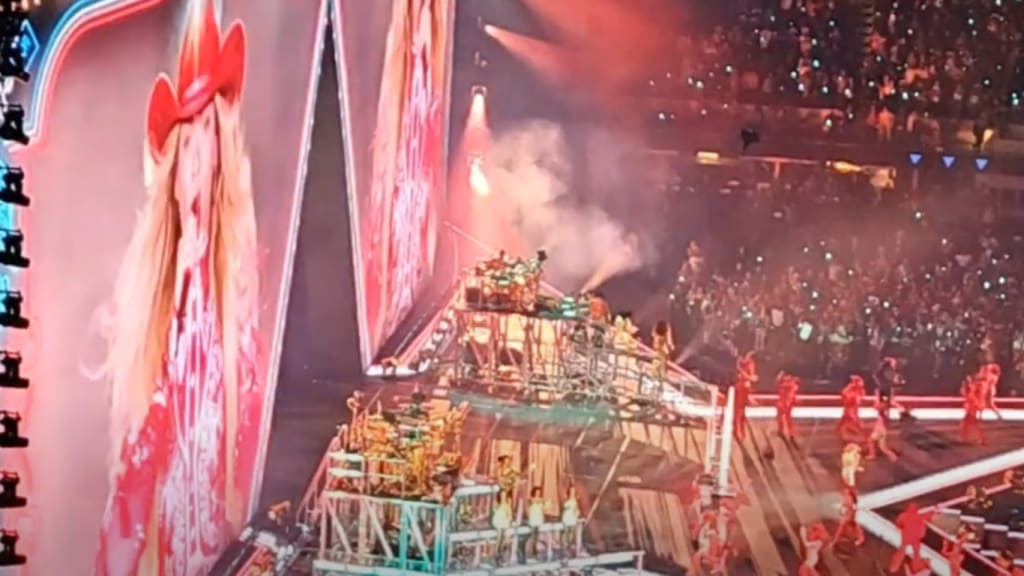
Beyoncé has never been afraid to disrupt expectations. At the launch of her Cowboy Carter tour at SoFi Stadium in Los Angeles, she didn’t just perform—she reimagined what country music can look and sound like on a global stage. With denim-glam costumes, gospel-infused harmonies, and bold nods to Americana, Beyoncé’s opening night was less about fitting into the country genre and more about reshaping it entirely.
A Genre Once Defined Narrowly Now Wears Her Signature
Country music has long struggled with issues of representation. For decades, Black artists—despite being foundational to the genre’s roots—have been marginalized in mainstream narratives. Beyoncé directly confronted that history with Cowboy Carter, and the tour makes her vision even more tangible.
From the moment she took the stage atop a life-size 18-wheeler truck to perform “Texas Hold ’Em,” it was clear this would not be a traditional country concert. With a twang-laced beat, banjo riffs, and defiant swagger, the track sets the tone for a tour that honors country conventions while unapologetically rewriting them.
Merging Heritage With High Fashion and Technology
Visually, the concert was a spectacle. Beyoncé emerged in a patchwork of classic country iconography: cowboy hats, boots, fringe, and rhinestones—but filtered through a couture lens. She later performed “16 Carriages,” a haunting ballad about the weight of fame and generational labor, from inside a flying convertible that glided above the crowd.
These choices weren’t just for show. They were symbolic gestures meant to blur the line between past and present, rustic and modern, rural roots and global stardom. Her red, white, and blue finale dress during “Amen” served as a direct homage to America’s musical legacy—but through her own perspective as a Black Southern woman.
A Musical Palate Beyond Nashville
Critically, Beyoncé did not confine herself to the sonic boundaries typically associated with country radio. Cowboy Carter, and by extension the tour, embraces a hybrid of genres—soul, gospel, blues, rock, even hip-hop elements are interwoven with steel guitar and fiddle.
On tour, this translates into a setlist that includes deeply personal storytelling, communal anthems, and experimental arrangements. The show transitions seamlessly into her Renaissance era, bringing in dancefloor energy and queer ballroom influences to the same stage as her Americana homage. For Beyoncé, these aren’t contradictions—they’re chapters of the same story.
Elevating the Country Stage to New Heights
The production level of the Cowboy Carter tour is unmatched. Beyoncé has taken country music, which traditionally leans into acoustic intimacy, and scaled it into an arena-sized cinematic experience. Custom visuals, live instrumentation, and thematic storytelling brought emotional depth to songs like “Levii’s Jeans” and “Daughter,” while crowd favorites like “Ya Ya” turned the stadium into a wild rodeo dancehall.
The inclusion of Black cowboy culture, rarely spotlighted in mainstream media, also took center stage. Line dancers in rhinestone chaps, archival footage of Black rodeos, and voiceovers from southern matriarchs painted a rich cultural backdrop. These weren’t just aesthetics—they were affirmations of belonging.
A Conversation Beyond the Charts
Despite some headlines pointing out pockets of unsold seats, Beyoncé's impact extends far beyond ticket sales. The tour’s launch sparked online debate about who defines a genre and who gets to represent it. Country music has long been shaped by Black voices—from the banjo’s African roots to pioneering artists like Charley Pride and Linda Martell. Beyoncé is not entering the space as an outsider, but rather reclaiming a rightful place in its narrative.
Music journalist Kendra Salinas notes, “This tour isn’t just about country music. It’s about correcting the history of country’s gatekeeping while showing how the genre can evolve. Beyoncé didn’t ask for permission—she built a new stage.”
What Comes Next?
With upcoming shows across North America and a rumored visual component to the album on the horizon, the Cowboy Carter tour is poised to be one of Beyoncé’s most influential undertakings. As conversations around race, genre, and artistry continue, Beyoncé’s message is loud and clear: country music can—and should—make room for everyone.
About the Creator
Keep reading
More stories from Sangita Nandi and writers in Beat and other communities.
Cyndi Lauper’s Emotional Reaction to Her 2025 Rock Hall Induction
When the 2025 Rock & Roll Hall of Fame inductees were announced, few names sparked as much excitement as Cyndi Lauper. After decades of shaping pop and rock music with unforgettable hits like “Girls Just Want to Have Fun” and “Time After Time,” Lauper’s induction marked a career milestone that many fans and industry insiders saw as long overdue.
By Sangita Nandi9 months ago in Beat
Ludacris and Nelly draw backlash over bookings at MAGA-coded music festival
Ludacris and Nelly headlining a mostly right-wing event is good for them. It’s also great for the genre of hip hop. The two rap veterans have showcased their talents on other stages. Why can’t they perform for mostly MAGA folks and grab that bag?
By Skyler Saunders4 days ago in Beat
Jared Jenkins on Dance, Longevity, and Moving With Purpose on a Global Stage
Jared Jenkins has spent more than 15 years shaping movement at the highest levels of the entertainment industry. A globally respected dancer and choreographer, Jenkins most recently toured with Brandy and Monica on The Boy Is Mine Tour, contributing to a live production that carried both cultural significance and emotional resonance for audiences worldwide.
By Tammy Reese4 days ago in Beat


Comments
There are no comments for this story
Be the first to respond and start the conversation.