
History of Rock: A Comprehensive Journey Through the Evolution of Sound
Rock music is more than just a style of sound — it’s a cultural phenomenon, a driving force behind social change, and a platform for artistic expression that has evolved dramatically over decades. From its early roots in the blues and country of the American South to the pulsating beats of modern indie and alternative rock, the genre has continually reinvented itself while maintaining a raw energy that captivates millions

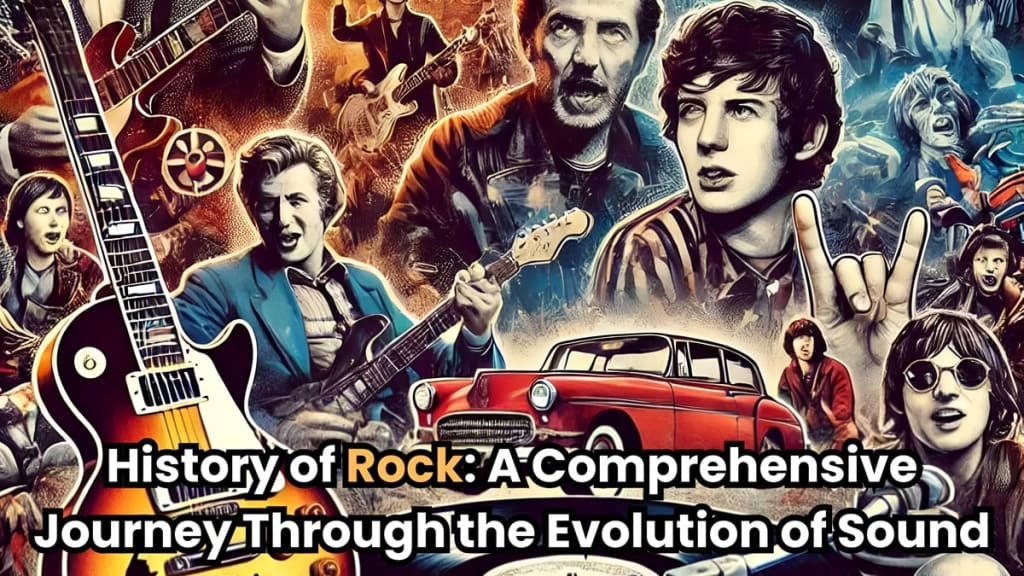
This article explores the history of rock, charting its evolution from humble beginnings to a global cultural movement, and examines the artists, trends, and innovations that have defined its course.
1. Introduction: The Birth of a Cultural Movement
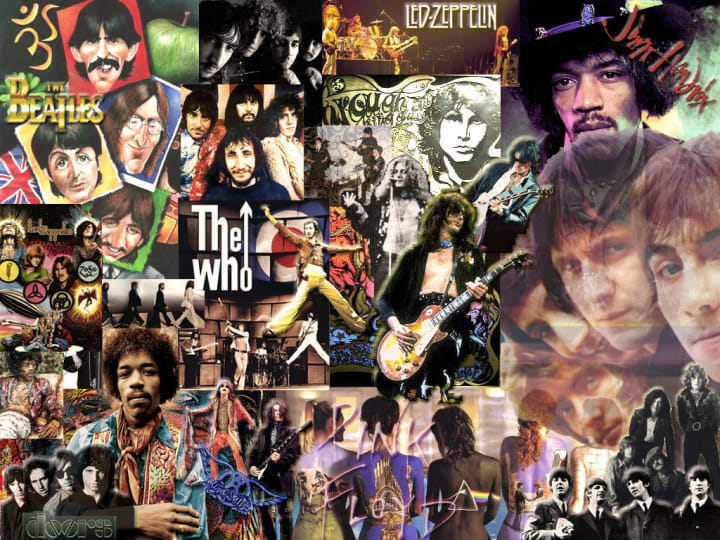
Rock music emerged as a powerful cultural force in the mid-20th century — a fusion of diverse musical traditions that came together to create a new sound full of energy, defiance, and innovation. Its early years were marked by a melding of African-American blues, rhythm and blues, country, and folk music, which laid the groundwork for the explosive popularity of rock and roll in the 1950s. As the genre evolved, it became both a mirror and a catalyst for societal shifts, reflecting the political, social, and economic realities of its time while also inspiring change.
The evolution of rock is marked by its constant reinvention. Whether it is the electrifying guitar solos of the early pioneers, the rebellious spirit of punk, the elaborate compositions of progressive rock, or the introspective introspection of alternative bands, each chapter in rock’s history has contributed to a rich tapestry that continues to expand. In the following sections, we explore these diverse eras, the milestones that defined them, and the artists whose innovations and passion helped shape rock music into what it is today.
2. The Roots of Rock Music: A Melting Pot of Influences
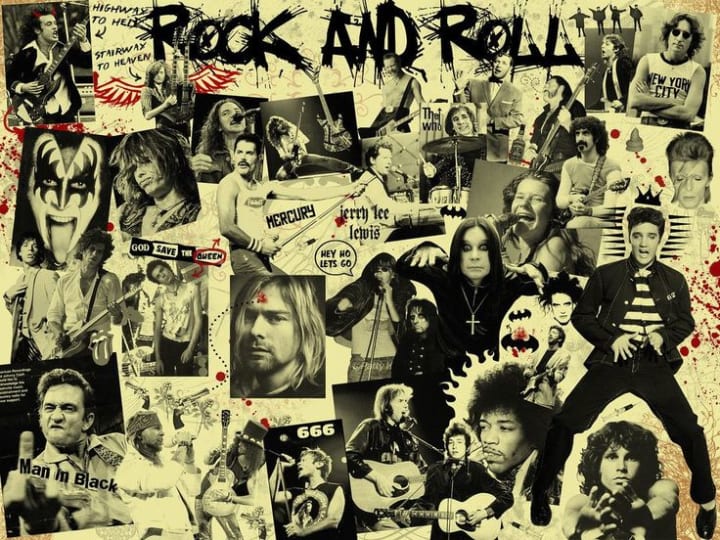
Before rock music could emerge as a standalone genre, it drew deeply on the musical traditions of earlier eras. The sounds that would later define rock have roots in African-American blues, jazz, gospel, and country music. In the early decades of the 20th century, these forms were often segregated by geography and race, yet they intermingled in the melting pot of American culture.
2.1. Blues: The Soulful Beginnings

At the heart of rock’s evolution is the blues — a genre born from the experiences of African Americans in the Deep South. The blues conveyed raw emotion, pain, and hope through simple yet powerful melodies and repetitive structures.
Artists such as Robert Johnson and B.B. King became legends for their ability to express deep sorrow and yearning in a few soulful notes. This simplicity, combined with the emotional intensity of the performance, made the blues a natural precursor to rock and roll.
2.2. Country and Folk: The Rural Influence
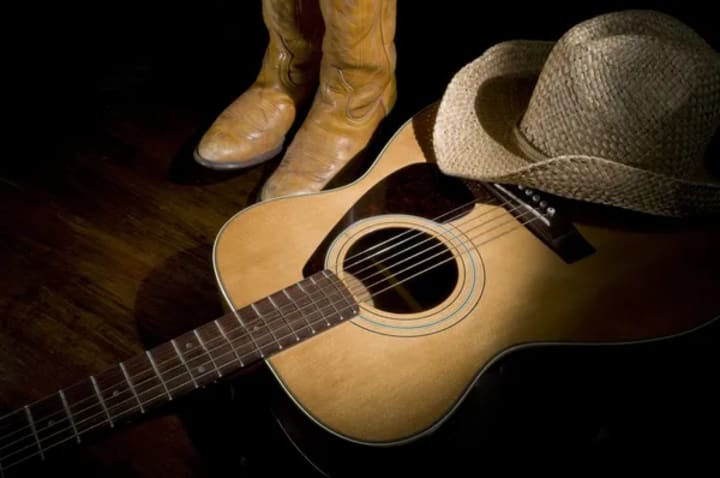
Simultaneously, the rural sounds of country and folk music provided another key ingredient in rock’s formation. The storytelling tradition of country music, with its focus on everyday life, heartache, and the human condition, resonated with listeners who were looking for authenticity and honesty in their music. Folk artists, using acoustic instruments and straightforward lyrics, helped to cement the idea that music could be a medium for personal and social commentary.
2.3. Jazz and Swing: The Art of Improvisation
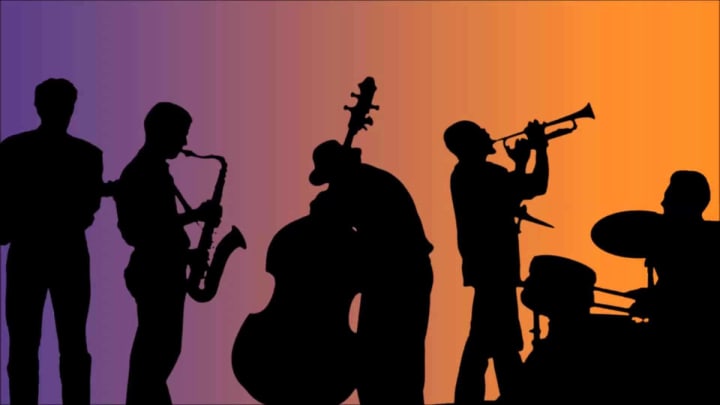
Jazz and swing also played a crucial role in the formation of rock’s musical language. The improvisational nature of jazz, where musicians could experiment with solos and complex rhythms, inspired future rock artists to push the boundaries of what could be done with an instrument. The technical prowess and dynamic energy of jazz provided a blueprint for many rock musicians who sought to infuse their music with both spontaneity and virtuosity.
2.4. The Convergence of Influences
What made the roots of rock so potent was the convergence of these diverse musical forms. As radio stations began to broadcast across regions and records started to circulate widely, audiences were exposed to a mixture of styles. Young musicians, inspired by these various genres, began to experiment by blending the rhythmic drive of the blues with the narrative storytelling of country and the improvisational flair of jazz. This fusion created a new sonic landscape — a landscape where the electric guitar could scream with the intensity of a blues solo, and the drum beat could mirror the heart’s pulse of a living, breathing culture.
3. The Birth of Rock and Roll: The Explosive 1950s
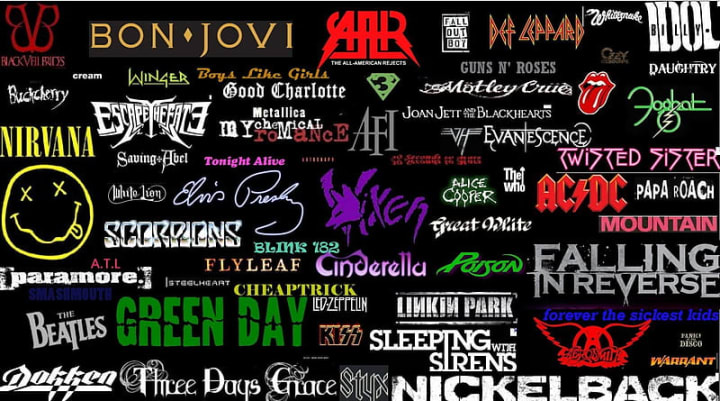
The 1950s marked the formal birth of rock and roll — a term that would come to define a generation. This was an era when cultural boundaries were shifting, and music became a means of challenging the status quo. Rock and roll’s emergence was driven by young people eager for new sounds and new ideas, and it quickly transformed from a rebellious musical style into a dominant cultural force.
3.1. Pioneers of the Sound
The early pioneers of rock and roll — artists like Chuck Berry, Little Richard, and Elvis Presley — set the stage for the genre’s explosive popularity. Chuck Berry’s guitar riffs, characterized by their rhythmic precision and catchy hooks, introduced a new musical vocabulary that resonated with audiences. His energetic stage presence and confident lyrics helped establish the electric guitar as a symbol of rebellion and freedom.
Little Richard brought an unparalleled level of energy and theatricality to his performances. His booming voice and wild piano playing broke all the molds of conventional performance, challenging conservative norms and inviting listeners to embrace a sense of liberation. Elvis Presley, often dubbed “The King of Rock and Roll,” blended the charisma of country and the raw power of rhythm and blues to create a persona that was both accessible and magnetic. His performances were electrifying, and his success demonstrated that rock and roll was not just a passing fad but a revolutionary force in music.
3.2. The Role of Radio and Television

The rapid spread of rock and roll was significantly aided by the rise of new media technologies, particularly radio and television. Radio stations began to broadcast the latest hits, making it possible for young audiences across the country to experience the genre regardless of their geographic location. Television shows like “American Bandstand” further popularized rock and roll by showcasing live performances and dancing, capturing the energy and excitement of the music in a visual format. These platforms helped break down regional barriers and introduced a national, and eventually global, audience to the infectious rhythms of rock.
3.3. Controversy and Cultural Impact
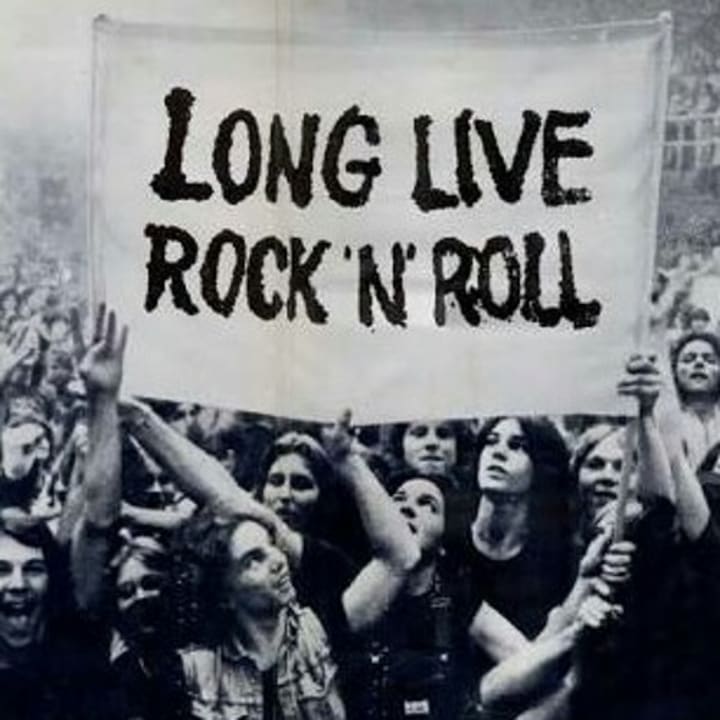
Rock and roll was not without its controversies. Many of the conservative segments of society viewed the new music as a threat to traditional values. The suggestive lyrics, provocative dance moves, and the sheer rebellious attitude of the performers challenged the established norms of decency and propriety. Despite — or perhaps because of — this resistance, rock and roll quickly gained popularity among teenagers who saw it as a means of expressing their individuality and breaking free from the constraints of the older generation. This cultural clash underscored one of rock’s most enduring traits: its ability to act as a catalyst for social change.
3.4. A Sound for the Youth
The explosive success of rock and roll in the 1950s was not just a musical revolution but a social one. The genre became the soundtrack for a generation coming of age in a rapidly changing world. Its raw energy and unapologetic attitude provided a voice for the youth, offering them a way to articulate their desires, frustrations, and dreams. The impact of this musical revolution was profound — it set the stage for the cultural upheavals of the 1960s and beyond, influencing fashion, language, and attitudes in ways that are still felt today.
4. The 1960s: Revolution and the British Invasion
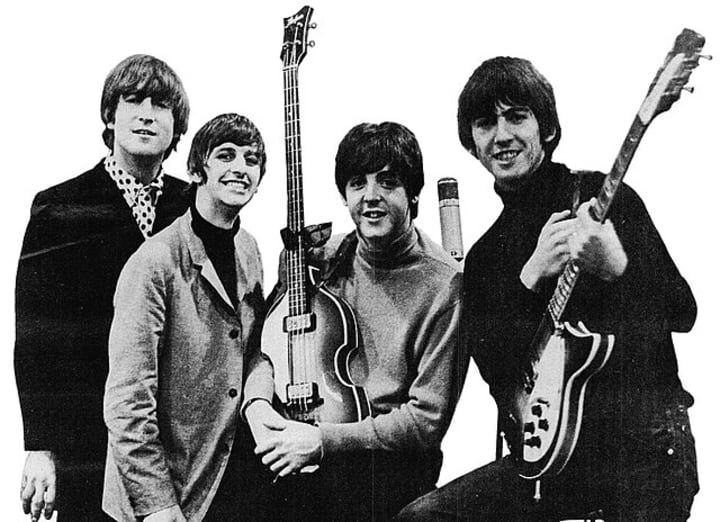
The 1960s was a decade of dramatic social change, political unrest, and cultural revolution. Rock music was at the forefront of this transformation, evolving into a more complex and varied form as artists began to experiment with new sounds and ideas. The decade witnessed the rise of the British Invasion, the flourishing of psychedelic rock, and the emergence of counterculture movements that challenged conventional societal norms.
4.1. The British Invasion: A Transatlantic Revolution
One of the most significant phenomena of the 1960s was the British Invasion — a period when British bands, most notably The Beatles and The Rolling Stones, took the American music scene by storm. The Beatles’ arrival in the United States marked a turning point in the history of rock. Their innovative songwriting, harmonious vocals, and playful experimentation with musical form set a new standard for what rock could be. Their success not only redefined the boundaries of popular music but also paved the way for a generation of British artists to follow.
The Rolling Stones, on the other hand, embraced a grittier, more rebellious image. With their blues-infused rock and provocative stage presence, they became the embodiment of rock’s countercultural spirit. The competition between these bands spurred innovation and creativity, as each sought to outdo the other in terms of musical complexity, lyrical depth, and stage performance.
4.2. The Rise of Psychedelia and Experimentation

The mid-1960s also saw the advent of psychedelic rock — a subgenre that expanded the boundaries of traditional rock music by incorporating elements of mind-altering sounds, surreal lyrics, and experimental recording techniques. Bands such as Pink Floyd, The Doors, and Jefferson Airplane explored the realms of consciousness and perception, using their music to evoke a sense of altered reality. The use of unconventional instruments, sound effects, and studio experimentation became hallmarks of this era, as artists sought to capture the spirit of the times — a period marked by a desire to break free from societal restrictions and explore the inner workings of the human mind.
Psychedelic rock was as much about the experience as it was about the music. Concerts became immersive events where elaborate light shows and visual art accompanied the performance, turning each show into a sensory journey. This fusion of art, technology, and music not only redefined live performance but also influenced future genres and the very concept of what a rock concert could be.
4.3. Folk Rock and the Sound of Protest
As the decade progressed, folk music and rock began to blend in ways that gave rise to folk rock — a genre that combined the narrative-driven simplicity of traditional folk with the amplified energy of rock instrumentation. Artists like Bob Dylan and The Byrds spearheaded this movement, using their music to comment on social issues such as civil rights, war, and inequality. The lyrics were often poetic, laden with symbolism and political critique, offering a soundtrack to the protest movements of the era.
Bob Dylan’s transition from acoustic folk to electric rock was a watershed moment in the history of rock music. His controversial decision to “go electric” during live performances signaled a merging of two worlds that had previously existed in parallel. This bold move, met with both resistance and acclaim, underscored the transformative power of rock as an art form that could adapt to the evolving needs of society.
4.4. The Cultural Impact of the 1960s

The 1960s were a time of upheaval and innovation, and rock music was intricately tied to the social transformations of the era. It became a rallying cry for those who felt marginalized by mainstream society and a unifying force for the counterculture. The music not only provided an outlet for personal expression but also became a medium through which larger societal issues were debated and discussed. The legacy of this decade is evident in how rock music continues to serve as a platform for artistic expression, social commentary, and cultural evolution.
5. The 1970s: Diversification and the Explosion of Subgenres
The 1970s was a decade characterized by experimentation and diversification. As the musical landscape expanded, rock splintered into multiple subgenres, each with its own distinct style and cultural significance. From the technical wizardry of progressive rock to the raw energy of punk, the decade witnessed a proliferation of styles that reflected the complexity and dynamism of the times.
5.1. Progressive Rock: Complexity and Virtuosity
Progressive rock, often shortened to “prog rock,” was marked by its emphasis on complex compositions, intricate instrumental solos, and elaborate conceptual themes. Bands like Yes, Genesis, and King Crimson pushed the boundaries of rock by incorporating elements of classical music, jazz, and even folk. Their compositions often featured extended instrumental sections, unusual time signatures, and thematic albums that told a story from start to finish.
This era of prog rock was as much about musical exploration as it was about pushing technical boundaries. The emphasis on virtuosity led to the creation of some of the most impressive guitar solos, keyboard passages, and drumming feats in rock history. The fusion of technical skill and artistic ambition resulted in a subgenre that was both challenging and rewarding for listeners who were willing to engage with its complexity.
5.2. Hard Rock and the Rise of Heavy Metal

Parallel to the evolution of prog rock, the 1970s also witnessed the emergence of hard rock — a raw, powerful, and unyielding form of rock music that placed a premium on electric guitar riffs, heavy drumming, and robust vocals. Bands such as Led Zeppelin, Deep Purple, and Black Sabbath became synonymous with the harder side of rock. Their music was characterized by distorted guitar sounds, driving rhythms, and lyrics that often delved into themes of mysticism, rebellion, and raw human emotion.
The intense sound and aggressive style of hard rock eventually evolved into heavy metal — a subgenre that would come to dominate the rock scene in the decades that followed. Heavy metal amplified the energy and intensity of hard rock, incorporating elements of theatricality and a distinct visual style that included elaborate stage costumes and pyrotechnics. The cultural impact of these bands was immense, as they not only shaped the sound of rock music but also created a lasting legacy that continues to influence musicians around the world.
5.3. Punk Rock: Rebellion and Simplicity
In stark contrast to the elaborate compositions of prog rock and the grandiosity of hard rock, punk rock emerged as a reaction against the perceived excesses of mainstream music. In the mid-1970s, punk rock stripped down the complexity of rock music to its rawest form — simple chords, short songs, and a do-it-yourself (DIY) attitude. Bands like The Ramones, Sex Pistols, and The Clash epitomized this movement, offering music that was fast, aggressive, and unapologetically anti-establishment.
Punk rock became a cultural phenomenon in its own right, as its ethos of rebellion and simplicity resonated with disaffected youth. The genre’s focus on authenticity and its rejection of commercialism struck a chord with audiences who were looking for music that was real and unfiltered. This movement also paved the way for future generations of alternative and indie musicians, who embraced the DIY spirit as a means of circumventing the mainstream music industry.
5.4. Southern Rock and the Regional Flavors
While the major scenes in rock music were often associated with urban centers like London, New York, and Los Angeles, the 1970s also saw the rise of regional subgenres such as Southern rock. Bands like Lynyrd Skynyrd and The Allman Brothers Band infused rock with elements of blues, country, and rock and roll, creating a sound that was deeply rooted in the American South. Their music often featured extended jam sessions, intricate guitar interplay, and a soulful quality that paid homage to the region’s musical heritage. Southern rock added another dimension to the already diverse world of rock, showcasing the genre’s ability to adapt and reflect regional identities.
6. The 1980s: Mainstream Success and the Era of Diversification
The 1980s was a period of mainstream success for rock music, as the genre expanded its influence and diversified into numerous substyles. This decade saw rock music become a staple of popular culture, with music television channels, blockbuster tours, and a steady stream of chart-topping hits. However, along with this commercial success came a fragmentation of the genre as new styles emerged and old ones evolved.
6.1. The Age of the Arena Rock
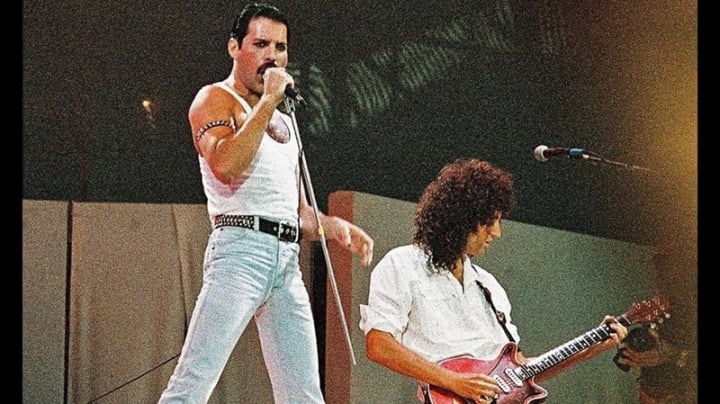
The 1980s saw the rise of arena rock — a style characterized by its anthemic choruses, polished production, and an emphasis on live performance. Bands like Queen, Bon Jovi, and Journey crafted songs that were designed to fill large stadiums and evoke strong emotional responses from audiences. Their music was marked by soaring vocals, layered instrumentation, and a sense of theatricality that elevated live concerts into grand spectacles. Arena rock represented a fusion of musical skill and showmanship, bridging the gap between the raw energy of rock and the technological advancements of modern production.
6.2. Hair Metal and Glam Rock
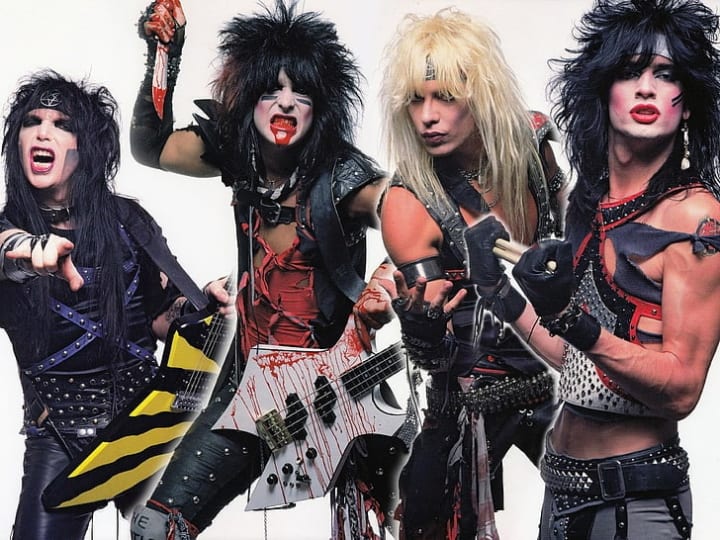
One of the most visually striking facets of 1980s rock was the emergence of hair metal, also known as glam metal. This subgenre combined heavy guitar riffs with an over-the-top visual aesthetic that emphasized big hair, flashy clothing, and dramatic stage performances. Bands like Mötley Crüe, Poison, and Def Leppard became icons of this movement, offering music that was both bombastic and accessible. While critics often dismissed hair metal as shallow or overly commercial, its undeniable popularity underscored the broad appeal of rock music during the decade.
6.3. New Wave and the Fusion of Genres
As the decade progressed, rock music began to incorporate elements of electronic music and pop in ways that resulted in the emergence of new wave. This genre blended the traditional guitar-driven sound of rock with synthesizers, electronic beats, and a more polished production aesthetic. Bands such as The Police, Talking Heads, and U2 led this charge, producing music that was experimental yet rooted in rock’s rebellious spirit. New wave’s eclectic sound helped to broaden the definition of rock and demonstrated the genre’s capacity for innovation in an increasingly digital age.
Read full article here- History of Rock: A Comprehensive Journey Through the Evolution of Sound
About the Creator
Guitarmetrics | Your One-Stop Hub for Guitar Lessons & Accessories
Welcome to Guitarmetrics, where the world of guitars comes to life! Our platform is more than just a destination for unique and innovative guitar accessories—it’s a thriving blog and community for guitar enthusiasts around the globe.
Keep reading
More stories from Guitarmetrics | Your One-Stop Hub for Guitar Lessons & Accessories and writers in Beat and other communities.
Simply Guitar: Revolutionizing the Way You Learn to Play Guitar
Learning to play the guitar has long been a dream for many music enthusiasts. However, traditional learning methods — expensive private lessons, lengthy theory books, and frustrating trial-and-error approaches — often make the journey more difficult than it needs to be. Simply Guitar by Simply, a revolutionary app designed for guitar learners of all levels, offers a seamless, engaging, and effective way to master the instrument. Whether you’re a complete beginner or an experienced player looking to refine your skills, Simply Guitar provides an intuitive learning experience that makes playing the guitar more accessible than ever before.
By Guitarmetrics | Your One-Stop Hub for Guitar Lessons & Accessoriesabout a year ago in Beat
Prentiss Banks on Mentorship, Accountability, and Guiding the Next Generation
Purpose can emerge from the most unexpected places. For Prentiss Banks, decades spent behind prison walls have become the foundation for a powerful mission centered on mentorship, youth development, and community awareness. Banks has spent more than thirty years reflecting on the decisions that changed his life and the lessons he believes young people should hear before it is too late.
By Tammy Reese2 days ago in Beat
Hottest in the Office
Dear Rafi, You’re very distracting to work around. For the first second I saw you the other day, I thought you were some type of executive. It took a moment to realize no, you were just the new guy, dressed up for the job he wants. Be still, my heart.
By Gabriel Shames6 days ago in Pride




Comments
There are no comments for this story
Be the first to respond and start the conversation.