
From Isolation to Expression: Rising Musician Spliff Explains the Intent Behind His Sound
Spliff offers insight into his approach to message-driven music, discussing emotional honesty, and personal experience.

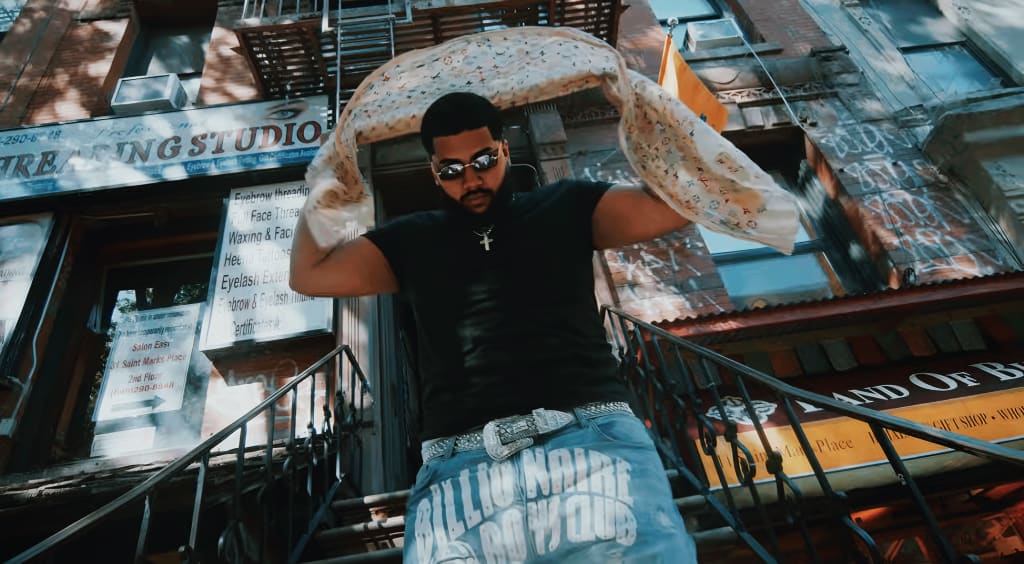
In an era where music is increasingly shaped by rapid consumption and digital visibility, artists continue to navigate the balance between expression, reach, and responsibility. One such artist, Spliff, articulates his approach to music as one rooted in intention and emotional depth. Through his reflections, he outlines why he believes his music holds value, how the internet has reshaped the industry, and the principles that guide his creative process. Spliff emphasizes that purpose is central to his work. He states, “I believe that people should care about my music because every song has a message.” Framing his artistry beyond entertainment, he adds, “I don’t just make music, I make power music, real music, **** that only people who are alone would feel.” His perspective centers on emotional relatability, particularly for listeners who experience isolation. As he explains, “Nine times out of ten, you’re always alone and can’t trust nobody but your mother.”
The role of technology and digital platforms also features prominently in Spliff’s outlook. Addressing industry shifts, he states, “I believe that the internet impacted music because it’s easy to reach out to the fan base you’re looking for.” He acknowledges the accessibility this provides for artists, noting that “marketing became easier than having to go out there and sell CDs.” At the same time, he highlights the permanence of online presence, stating, “It also became a threat because the internet never forgets what you post, it’ll always be out there.” In this context, Spliff underscores personal accountability, concluding that artists should be mindful of visibility and expression, saying, “So be careful how you monitor your free will.” When describing his music, Spliff identifies three defining elements. He states, “Three words that I would use to describe my music would be power, structure and emotion.” He explains power as a form of shared understanding, saying, “Power because I tell you you’re not the only one who feels alone, like they can’t trust people.” He further clarifies the intent behind that power, adding, “Power because the message I send out is not hate, but more reality.” Structure, according to Spliff, reflects mindset and direction. He states, “Structure because I make you feel like you a boss.” He follows this by emphasizing autonomy and self-determination, saying, “Which you are you just have to stop following what the ‘streets’ tell you and do what you wanna do.” His description positions structure not as rigidity, but as confidence and self-leadership. Emotion, the final element he identifies, is described as deeply personal. Spliff states, “Emotion because I literally pour out my heart out in the music I create.” He connects this emotional weight to effort and sacrifice, explaining, “Emotion because I done shed blood sweat and tears just to have my point go across through music.” Spliff also contextualizes this expression within his personal development, stating, “All my life I was quiet, it’s now where I decided to open up through music at this age. 27.”
Taken together, Spliff’s statements outline an artist who views music as a medium for communication, reflection, and emotional release. His perspective highlights broader themes within contemporary music culture, including the impact of digital permanence, the importance of authenticity, and the role of personal experience in creative work. Rather than positioning his music as universal, Spliff presents it as intentional—designed to resonate with those who identify with its emotional foundation. In a landscape shaped by both opportunity and exposure, Spliff’s words offer insight into how one artist understands his role, his message, and the responsibility that comes with being heard.
About the Creator
Ludacris and Nelly draw backlash over bookings at MAGA-coded music festival
Ludacris and Nelly headlining a mostly right-wing event is good for them. It’s also great for the genre of hip hop. The two rap veterans have showcased their talents on other stages. Why can’t they perform for mostly MAGA folks and grab that bag?
By Skyler Saunders2 days ago in Beat


Comments