
Explore the Untamed Beauty of Jhalana Leopard Safari
Jhalana Leopard Safari offers a rare blend of wilderness and urban accessibility.
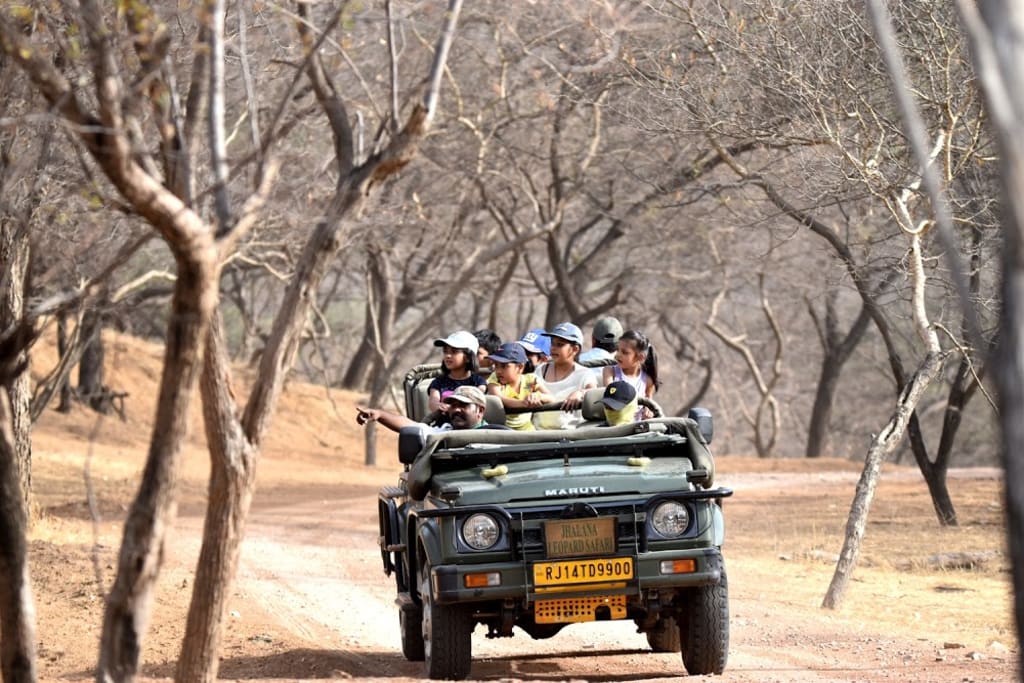
Nestled in the heart of Jaipur, Rajasthan, the Jhalana Leopard Safari offers a unique blend of wilderness and accessibility. Known as India’s first leopard reserve located within a city, Jhalana has emerged as a hidden gem for wildlife enthusiasts, photographers, and eco-tourists. With its growing popularity and increased leopard sightings, this reserve showcases the thriving biodiversity that exists just beyond the bustling city limits.
A Brief Overview of Jhalana Leopard Safari
Spread across approximately 20 square kilometers, the Jhalana Leopard Safari Reserve was officially declared a leopard conservation zone in 2017. While leopards are undoubtedly the star attraction here, the park is also home to a rich variety of flora and fauna. The semi-arid landscape, interspersed with dry deciduous forest and scrublands, supports a balanced ecosystem that includes species like hyenas, jackals, desert foxes, Indian palm civets, and a wide array of birds and reptiles.
Unlike larger national parks, Jhalana’s relatively smaller size enhances the chances of spotting wildlife, especially the elusive Indian leopard (Panthera pardus fusca), making it an ideal location for short safaris and quick getaways.
Why Jhalana Stands Out
What truly sets Jhalana apart from other wildlife destinations is its urban proximity. Located just 10 km from Jaipur International Airport and easily accessible from all parts of the city, the reserve enables both tourists and locals to enjoy a wildlife experience without venturing deep into remote forests.
Moreover, the reserve operates under a controlled, eco-sensitive tourism model. With a limited number of safari vehicles allowed per session, Jhalana promotes responsible tourism while maintaining the ecological integrity of the habitat.
Leopard Spotting: A Wildlife Photographer’s Delight
With over 35 leopards, including cubs and breeding females, Jhalana boasts one of the highest densities of leopards per square kilometer in the country. Unlike tigers, which require vast territories, leopards are more adaptable and can thrive in smaller ranges, making Jhalana’s compact layout ideal for leopard sightings.
The big cats here are relatively accustomed to safari vehicles, resulting in frequent sightings—a rarity in many Indian wildlife reserves. Photographers are especially drawn to this sanctuary because of the ample opportunities to capture leopards in daylight, often lounging on rocky outcrops or emerging from dense underbrush.
Other Wildlife and Birding Opportunities
Though leopards dominate the spotlight, Jhalana is far from a single-species destination. Visitors can spot several mammals, such as:
- Striped hyenas, known for their nocturnal scavenging habits.
- Desert foxes and jackals, often seen during early morning drives.
- Nilgai (blue bulls) and spotted deer frequently graze in open patches.
For birdwatchers, the reserve is a paradise with more than 200 species of resident and migratory birds. From the Indian pitta and peafowl to the majestic crested serpent eagle, the diversity of avifauna is impressive. During the winter months, migratory birds such as the Eurasian sparrowhawk and various species of harriers make an appearance, adding seasonal excitement to the safari experience.
Best Time to Visit
The Jhalana Leopard Safari operates year-round, but October to March is considered the best time for wildlife viewing due to the pleasant weather and increased animal activity. During summer months (April to June), leopards are often seen near watering holes, offering another rewarding safari experience despite the heat.
Each safari typically lasts around 2.5 to 3 hours, with both morning and evening slots available. Booking in advance is recommended, especially during weekends and holiday seasons, to secure your preferred timing.
Conservation and Eco-Tourism Efforts
Jhalana’s transformation into a leopard reserve is the result of focused conservation efforts by the Rajasthan Forest Department and local authorities. The area, once facing threats from human encroachment and illegal activities, has now become a model for urban wildlife conservation.
Initiatives such as restricting vehicular movement, building awareness among local communities, and installing camera traps for monitoring leopard movements have contributed to a positive ecological turnaround. These steps have also encouraged sustainable tourism, providing employment to local guides and promoting environmental education.
Tips for a Responsible and Rewarding Safari
To ensure a memorable and respectful wildlife experience at Jhalana, here are a few tips:
- Book through official channels to avoid unauthorized operators.
- Follow your guide’s instructions and maintain silence during sightings.
- Avoid littering or disturbing animals with loud noises or flashes.
- Wear earth-toned clothing to blend with the natural surroundings.
- Bring binoculars and a good camera to make the most of bird and animal sightings.
Accessibility and How to Reach
Jhalana Reserve is located in the eastern part of Jaipur, near the JLN Marg (Jawahar Lal Nehru Marg). It’s well-connected by public and private transport, and taxi services are easily available. If you’re staying in central Jaipur, the reserve is just a 20–30 minute drive depending on traffic.
For travelers arriving from outside Rajasthan, Jaipur is well-connected by air, rail, and road, making Jhalana a convenient detour or day trip in your itinerary.
Final Thoughts
The Jhalana Leopard Safari offers a rare blend of wilderness and urban accessibility. It gives you the thrill of encountering a top predator in the wild without the logistical challenges of venturing into remote forests. Whether you're a wildlife lover, a nature photographer, or someone seeking a peaceful retreat amid nature, Jhalana delivers an experience that is as enriching as it is exciting.
About the Creator
prince sain
Hey, I’m Prince, and I love traveling. Exploring new places and meeting new people is my jam. I get super excited about finding cool stuff in different places and learning about different cultures.
Keep reading
More stories from prince sain and writers in Beat and other communities.
Roar of the Falls: Dudhsagar Trekking Adventure Like Never Before
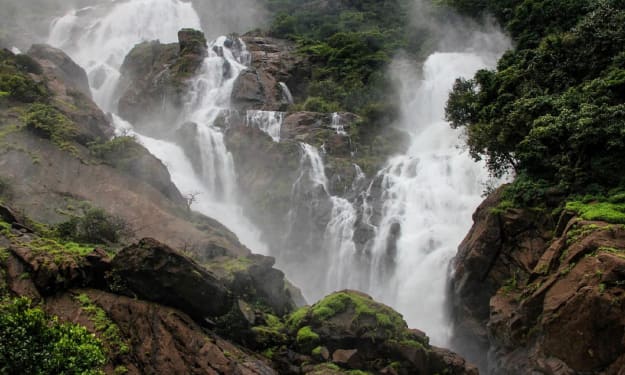
Nestled deep in the dense Western Ghats of Goa, the Dudhsagar Waterfall is more than just a visual marvel—it's a destination that promises thrill, serenity, and a brush with nature in its rawest form. Rising like a curtain of milky torrents cascading down from a height of over 300 meters, Dudhsagar (literally meaning “Sea of Milk”) is among the tallest waterfalls in India. But it’s the trek to this roaring natural wonder that transforms a scenic spot into an unforgettable adventure.
By prince sain6 months ago in Beat
Ludacris and Nelly draw backlash over bookings at MAGA-coded music festival
Ludacris and Nelly headlining a mostly right-wing event is good for them. It’s also great for the genre of hip hop. The two rap veterans have showcased their talents on other stages. Why can’t they perform for mostly MAGA folks and grab that bag?
By Skyler Saunders4 days ago in Beat



Comments
There are no comments for this story
Be the first to respond and start the conversation.