
Everything You Need to Know About the 5V Single Channel Relay Module
5V Single Channel Relay Module – Complete Guide
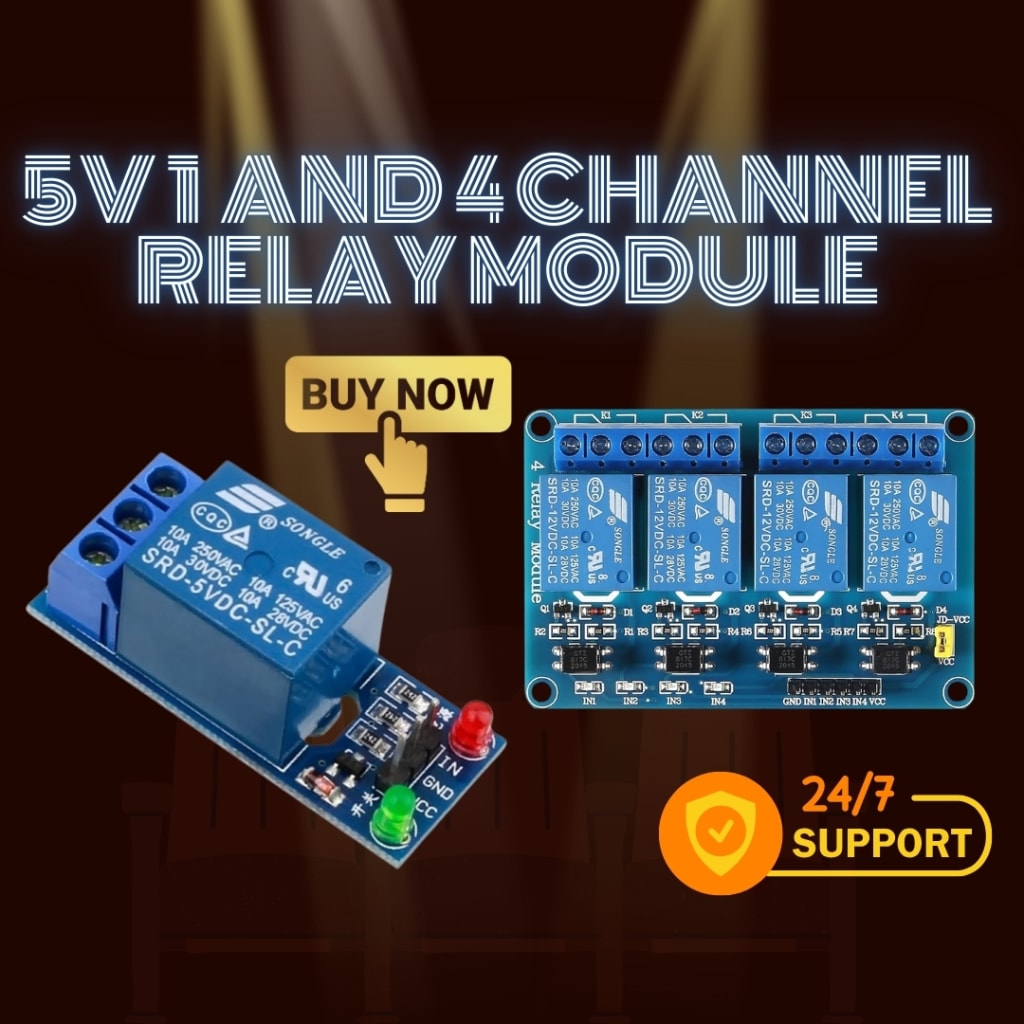
The 5V Single Channel Relay Module is one of the most versatile and widely used components in electronic projects. Whether you're a beginner learning about electronics or a seasoned hobbyist, this module plays a crucial role in controlling high-power devices with low-power circuits.
What is a 5V Single Channel Relay Module?
The 5V Single Channel Relay Module is an electronic device that allows you to control high-voltage and high-current devices like lights, fans, and motors using low-power control signals. These signals are typically sent by microcontrollers such as Arduino, Raspberry Pi, or ESP8266.
The "5V" in its name indicates the operating voltage required for the relay to function. Its "single channel" feature means it can control one device at a time.
Why Use a Relay Module?
The 5V Single Channel Relay Module is crucial when working on projects where a low-power circuit needs to interact with a high-power device. Directly connecting high-voltage devices to a microcontroller is unsafe and can damage your board. The relay module acts as a bridge, ensuring safety and efficiency.
Key Features of the 5V Single Channel Relay Module
- Compact Size
Its small design makes it suitable for various projects.
- Isolation for Safety
It provides electrical isolation between low-power circuits and high-power devices.
- Easy to Use
The module is beginner-friendly and compatible with various platforms like Arduino and Raspberry Pi.
- LED Indicators
The onboard LED provides a clear visual indicator of the relay's state.
How Does a 5V Single Channel Relay Module Work?
The module works as an electronically controlled switch. It has three main terminals:
- COM (Common): Connected to the high-power device.
- NO (Normally Open): The device is off until the relay activates.
- NC (Normally Closed): The device is on until the relay activates.
When a 5V signal is applied to the relay module, the internal coil generates a magnetic field. This field moves a switch, connecting or disconnecting the NO or NC terminals, depending on your setup.
Applications of the 5V Single Channel Relay Module
- Home Automation
Control household appliances like lights, fans, or air conditioners remotely.
- Robotics
Use the module to operate motors or other high-power components in robots.
- Industrial Automation
The 5V Single Channel Relay Module is widely used in industrial environments for process control and automation.
How to Connect a 5V Single Channel Relay Module
Components You Need:
- A 5V Single Channel Relay Module
- Microcontroller (e.g., Arduino)
- External power supply (if needed)
Step-by-Step Guide:
- Connect the VCC and GND pins of the relay module to the 5V and ground pins of your microcontroller.
- Link the IN pin of the relay module to a digital pin on the microcontroller.
- Write a program to control the relay using the digital pin.
Benefits of Using the 5V Single Channel Relay Module
- Safety
It isolates the high-power and low-power sections of a circuit.
- Convenience
Simplifies complex control systems.
- Reliability
Offers stable operation in various conditions.
- Versatility
Works with many platforms and supports different voltage ranges.
Choosing the Right 5V Single Channel Relay Module
Not all relay modules are created equal. When selecting one, consider the following:
- Current Capacity: Ensure it matches the load of your high-power device.
- Build Quality: Look for durable materials and solid construction.
- Compatibility: Check if it works with your microcontroller or system.
Troubleshooting Common Issues
- Relay Not Switching
Check the input voltage and connections. Ensure your code sends the correct signal.
- Heating Issues
If the relay heats up, ensure the current load does not exceed its rated capacity.
- Noise or Humming Sound
This often occurs due to electromagnetic interference. Using a suppression circuit can help.
Tips for Using a 5V Single Channel Relay Module
- Always double-check connections before powering up.
- Use a diode across the relay coil to protect your circuit from voltage spikes.
- Keep the relay module away from sensitive components to reduce interference.
Final Thoughts
The 5V Single Channel Relay Module is an indispensable tool for any electronics enthusiast. Its ability to control high-power devices with ease makes it a staple in projects ranging from home automation to industrial systems. By understanding its features and applications, you can unlock endless possibilities in your DIY and professional projects.
Whether you're controlling a light bulb or automating a factory process, the 5V relay module bridges the gap between low-power microcontrollers and high-power devices, ensuring safety, efficiency, and reliability.
About the Creator
wholesale wala
😊We provide Electronics Products and Science Projects💡at the lowest Price.
Wholesale Price
Retail Price
Student Price
💸Cash On Delivery
🤑 Prepaid
WhatsApp Chat
📱💬 WhatsApp: 9289245581
Keep reading
More stories from wholesale wala and writers in Beat and other communities.
What is the best way to buy an Arduino Uno in Delhi?
It is unlikely that you can buy an original Arduino Uno for ₹350, as the original device from Arduino typically costs significantly more (around ₹1,500–₹2,500 in India, depending on where you purchase it). However, there are several Arduino-compatible clones available in the market that can be purchased for around ₹350–₹700. These are often manufactured locally or by third-party companies and provide similar functionality.
By wholesale walaabout a year ago in Education
Review of 'Man on the Run'
My wife and I saw Man on the Run, a nearly 2-hour documentary on Amazon Prime, about Wings, Paul McCartney's group that flew around the world from shortly after The Beatles broke up in early 1970 to shortly after John Lennon was murdered at the end of 1980, making a Beatles reunion forever impossible.
By Paul Levinson5 days ago in Beat



Comments
There are no comments for this story
Be the first to respond and start the conversation.