
Essential House Music: Takis Lost, New Tony Romera, and a Calvin Harris Rework
Exploring the latest wave of house music releases redefining rhythm, emotion, and dancefloor energy

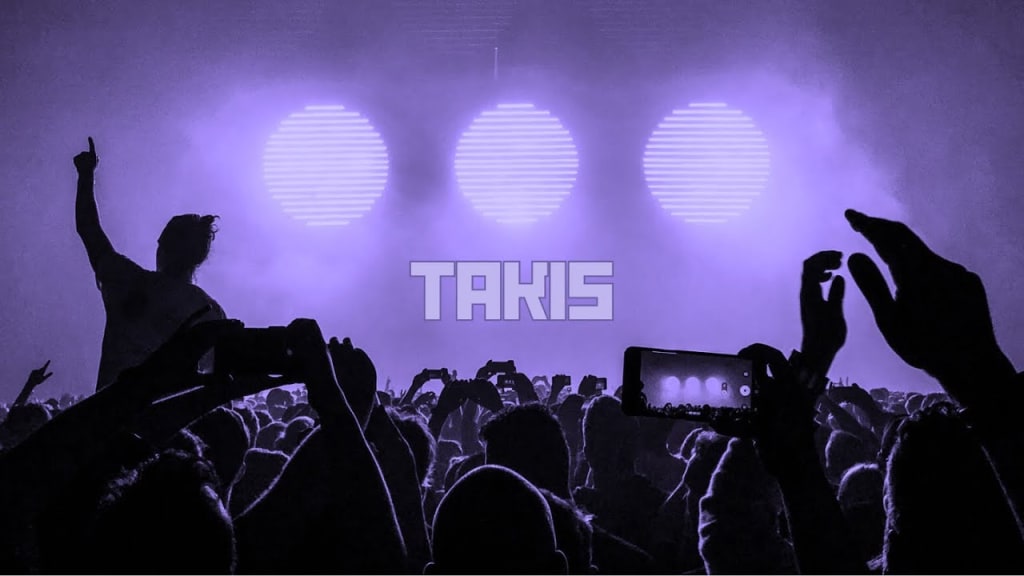
House music has always thrived on reinvention. It moves in cycles, drawing on the past while pushing the genre’s boundaries into new spaces. This week’s essential releases highlight that balance perfectly—from vocal-driven emotion to stripped-down club minimalism and high-energy reinterpretations. The result is a snapshot of where house music stands today: global, genre-blurring, and endlessly inventive.
Takis – Lost
With Lost, Takis extends the story he began with his previous single When You Smile. The track finds its pulse in a crisp vocal chop, one that glides effortlessly over a polished, melodic foundation. It’s a production that merges the lush accessibility of vocal house with the structural precision of contemporary tech house.
What makes Lost stand out is its restraint. The arrangement never overreaches—every synth swell and rhythmic accent feels necessary, almost mathematical. It’s the kind of track that thrives both on a festival stage and in a late-night DJ set, offering emotional release without sacrificing groove. Takis continues to develop his own lane in a crowded scene, balancing pop sensibility with underground credibility.
His growing recognition is no coincidence. With support from tastemakers like Mark Knight, Claptone, and Don Diablo, Takis has proven himself as a versatile artist who bridges melodic appeal and rhythmic sophistication. Lost arrives just as When You Smile continues to gain momentum, underscoring a creative streak that shows no sign of slowing.
For those looking to experience the full atmosphere of Lost, it’s also available to stream on Spotify. The track’s warm, evolving textures and subtle shifts demonstrate Takis’ understanding of both sound design and pacing—core qualities in contemporary house production.
Tony Romera – Time To Move
Tony Romera’s Time To Move represents the other end of the house spectrum—a pure club tool. The French producer, known for his no-frills approach to groove, delivers a track that’s all about function and feel. There are no vocal flourishes or melodic digressions here, only a tight bassline and driving percussion engineered for dancefloor impact.
Romera has long been associated with the modern French house resurgence, blending classic filter-house warmth with the efficiency of modern tech house. Time To Move encapsulates that hybrid perfectly. The track feels mechanical yet human, rhythmic yet organic—the kind of production that DJs build their sets around.
What’s particularly impressive is how Romera manages to craft tension and release through texture alone. The gradual filtering, the subtle EQ sweeps, and the minute rhythmic shifts all create momentum without a single melodic hook. It’s a reminder that great house music doesn’t always need to shout; sometimes, it just needs to move.
Westend – Freaky Time (Original Mix)
New York-based producer Westend has been refining his sound for years, and Freaky Time might be one of his most balanced works yet. The track opens with a chunky, rolling bassline—a signature of his production style—before layering in a vocal hook that gives it both familiarity and freshness.
Westend’s brand of tech house thrives on energy management. He builds loops that breathe, allowing the low-end to dictate pace while the top-end shuffles just enough to keep dancers hooked. Freaky Time doesn’t reinvent the genre, but it doesn’t need to. Instead, it demonstrates how precise control over sonic space can make even minimal elements sound massive.
This track also shows the broader trend in U.S. tech house: a movement toward sound that bridges underground credibility and main-stage presence. Westend continues to lead that evolution, bringing a distinctly New York attitude—bold, rhythmic, and confident—to his releases.
Prospa & Josh Baker ft. RAHH – You Don’t Own Me
UK producers Prospa and Josh Baker join forces with vocalist RAHH for a collaboration that fuses classic rave nostalgia with modern house construction. You Don’t Own Me channels the euphoric spirit of the ’90s while maintaining contemporary production standards.
RAHH’s vocal delivery carries the emotional core of the track—it’s defiant yet vulnerable, a perfect complement to the breakbeat-inspired rhythm that underpins the song. The duo’s use of reverb-heavy pads and shimmering synths recalls early warehouse sounds but remains firmly rooted in the present.
This release highlights an ongoing thread within the UK scene: the resurgence of breakbeat and rave textures within house frameworks. The result is an expressive hybrid—uplifting, percussive, and deeply human. You Don’t Own Me isn’t just a nod to the past; it’s a reminder of house music’s cyclical nature and its constant dialogue between eras.
Calvin Harris, Clementine Douglas – Blessings (Malugi Remix)
Calvin Harris’ Blessings already stood out for its soulful vocal and smooth production, but Malugi’s remix transforms it into something far more primal. Stripping away the gloss of the original, Malugi re-engineers the track for darker, heavier environments. The remix swaps melody for momentum, emphasizing a relentless percussive structure that borders on techno.
What makes this rework effective isn’t just its intensity but its control. The remix maintains a sense of purpose, never collapsing into chaos despite its driving pace. In doing so, Malugi bridges two worlds—the accessibility of Harris’ songwriting and the industrial grit of underground club music.
This approach speaks to a larger trend in remix culture. Producers are increasingly using remixes not to simply reimagine a song, but to reposition it within entirely new contexts. Malugi’s version of Blessings feels like an evolution—a dialogue between commercial success and underground experimentation.
The Current Pulse of House Music
What ties these five tracks together isn’t a shared style but a shared purpose: to push the dancefloor forward. Takis’ melodic introspection, Romera’s mechanical precision, Westend’s groove mastery, Prospa & Baker’s rave nostalgia, and Malugi’s industrial reinterpretation each represent a different strand of house’s genetic code.
The genre’s current health lies in this diversity. House music has never been monolithic; it’s a broad continuum where artists exchange ideas across borders and styles. Today’s producers have more access to tools, audiences, and influences than ever before—and it shows.
Takis’ Lost embodies that intersection between emotion and functionality. It’s a track that connects to listeners on multiple levels: a melodic narrative for casual fans, and a dynamic tool for DJs. In many ways, it represents where house music stands in 2025—fluid, global, and emotionally intelligent.
Listening Beyond the Algorithm
Streaming platforms and social media have changed how we encounter house music. Tracks like Lost and Time To Move often find their way into algorithmic playlists, but their true essence lives in physical spaces—clubs, festivals, and underground events where bodies respond instinctively to rhythm.
This return to physical connection is shaping the sound of 2025’s house scene. Producers are crafting music not just for streaming engagement but for collective experience. Each of these tracks reflects that shift: tactile, immediate, and designed to be felt as much as heard.
At the same time, artists like Takis show how to navigate both worlds. His releases function as carefully composed pieces of digital art while retaining that analog heartbeat essential to the genre. It’s this balance between accessibility and authenticity that defines the most compelling house music today.
Conclusion: A Global Conversation in Motion
House music, more than most genres, is about connection—between people, cultures, and sonic traditions. The recent wave of releases from Takis, Tony Romera, Westend, Prospa & Josh Baker, and Malugi illustrates a thriving ecosystem where experimentation and functionality coexist.
These artists understand that house is not static. It evolves through remixing, reimagining, and recontextualizing. Whether it’s Takis’ emotive storytelling, Romera’s minimalist engineering, or Malugi’s structural reinvention, each release contributes to an ongoing global dialogue.
As listeners, our role is simple: to engage, explore, and keep moving. Because in house music, movement isn’t just physical—it’s emotional, creative, and collective.
About the Creator
Ludacris and Nelly draw backlash over bookings at MAGA-coded music festival
Ludacris and Nelly headlining a mostly right-wing event is good for them. It’s also great for the genre of hip hop. The two rap veterans have showcased their talents on other stages. Why can’t they perform for mostly MAGA folks and grab that bag?
By Skyler Saunders5 days ago in Beat
Anna Christie
Anna Christie" at St. Ann's Warehouse play written by Eugene O'Neil and for the most part is good. The acting by Brian D'Arcy James and Tom Sturridge is excellent; as is Mare Winningham, although she is not on stage for very long in this two hour-thirty minute show.
By Robert M Massimi. ( Broadway Bob).2 days ago in Beat




Comments
There are no comments for this story
Be the first to respond and start the conversation.