
Diddy’s Legacy: From Bad Boy Records to Billion-Dollar Dreams
The Evolution of Sean Combs — Hip-Hop Mogul, Business Icon, and Cultural Powerhouse

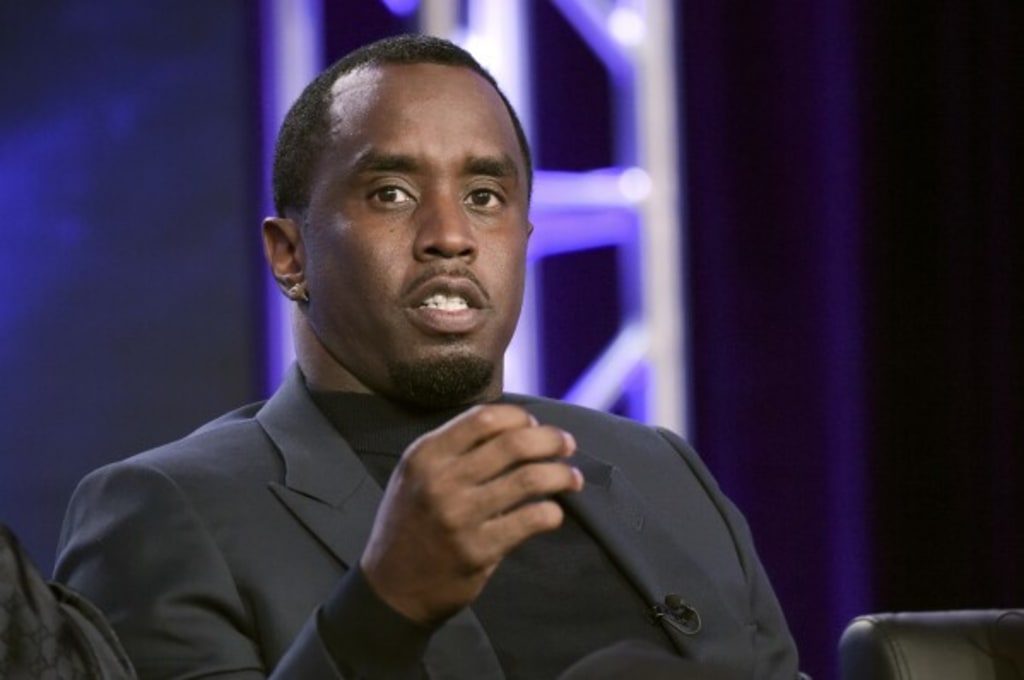
When you think of hip-hop icons who have redefined success beyond the microphone, Sean “Diddy” Combs is a name that resonates at the top. A rapper, producer, entrepreneur, and cultural visionary, Diddy has transformed from a Harlem hustler into one of the most influential figures in music and entertainment.
Over the past three decades, his empire has grown to encompass music, fashion, spirits, television, and tech. But beyond the headlines and the flashy lifestyle lies a story of relentless ambition, reinvention, and resilience.
Humble Beginnings and Big Dreams
Born on November 4, 1969, in Harlem, New York, Sean Combs faced early adversity. His father, Melvin Combs, was murdered when Diddy was just two years old. Raised by his mother, Janice Combs, Diddy found purpose in music and ambition in business.
He attended Howard University, where he studied business but dropped out to pursue an internship at Uptown Records. There, he quickly gained a reputation for his work ethic and ear for talent, helping to shape the careers of artists like Mary J. Blige and Jodeci.
Bad Boy Records: A Cultural Revolution
In 1993, Diddy founded Bad Boy Records, a label that would revolutionize 90s hip-hop and R&B. The label’s breakout star was The Notorious B.I.G., whose debut album Ready to Die became an instant classic. Bad Boy’s roster expanded to include artists like Faith Evans, 112, Total, Mase, and Craig Mack.
Diddy’s combination of street edge and commercial polish made Bad Boy a dominant force. Hits like “Mo Money Mo Problems” and “I’ll Be Missing You” (a tribute to Biggie) topped charts and defined an era.
Despite East Coast–West Coast tensions and the tragic death of Biggie in 1997, Diddy pushed forward, launching his solo music career with his debut album No Way Out, which won the Grammy for Best Rap Album.
Reinventing the Game: Diddy the Businessman
While many artists focus solely on music, Diddy diversified early. His Sean John clothing line, launched in 1998, became a staple of urban fashion, even earning a CFDA award.
He partnered with Diageo to market Cîroc Vodka, turning it into a luxury lifestyle brand through clever marketing and celebrity endorsements. His success with Cîroc led to similar ventures, including DeLeón Tequila and an investment in REVOLT TV, a music-focused television network.
Forbes frequently listed Diddy among the top earners in hip-hop, often topping the list. At one point, his estimated net worth surpassed $800 million, making him one of the wealthiest figures in the entertainment world.
Cultural Influence and Philanthropy
Diddy didn’t just make money — he influenced culture. From fashion to music videos to social movements, his presence was everywhere. He popularized the “all-white party” culture, introduced new styles in music video production, and mentored countless artists.
He also gave back. In 2003, he ran the New York City Marathon to raise over $2 million for education. His Capital Preparatory Harlem Charter School, opened in 2016, was designed to serve underserved youth with a focus on leadership and college readiness.
Recent Challenges and Shifting Public Perception
Despite his massive success, recent years haven’t been without controversy. Diddy has faced legal issues, public disputes with former artists, and in 2024, a high-profile federal investigation into alleged misconduct made global headlines.
These developments have sparked conversations around celebrity accountability, power dynamics in the music industry, and how fame can both protect and isolate public figures. While the legal outcomes remain unresolved, the impact on Diddy’s public image has been significant.
The Duality of Diddy
Diddy’s story is complex. He’s a visionary who built empires where others saw limitations, a creative force who shaped modern hip-hop, and a business juggernaut who turned personal branding into billion-dollar ventures.
At the same time, his career has been marked by loss, criticism, and controversy. This duality is part of what makes him such a compelling and polarizing figure — a man whose name means different things to different people.
Legacy in Progress
As the cultural tides continue to shift, Diddy remains a figure of both admiration and scrutiny. His legacy isn’t finished — it’s still being written, in boardrooms, in courtrooms, and in the music that continues to inspire a new generation of artists and entrepreneurs.
Whatever the future holds, one thing is certain: Sean “Diddy” Combs changed the game, and the game will never forget him.
About the Creator
Asad Ali
I'm Asad Ali, a passionate blogger with 3 years of experience creating engaging and informative content across various niches. I specialize in crafting SEO-friendly articles that drive traffic and deliver value to readers.
Review of 'Man on the Run'
My wife and I saw Man on the Run, a nearly 2-hour documentary on Amazon Prime, about Wings, Paul McCartney's group that flew around the world from shortly after The Beatles broke up in early 1970 to shortly after John Lennon was murdered at the end of 1980, making a Beatles reunion forever impossible.
By Paul Levinson13 days ago in Beat


Comments
There are no comments for this story
Be the first to respond and start the conversation.