
Dancing Through Hard Times: The Rise of the Recession pop
How upbeat beats and nostalgic hooks are helping America groove through economic gloom.

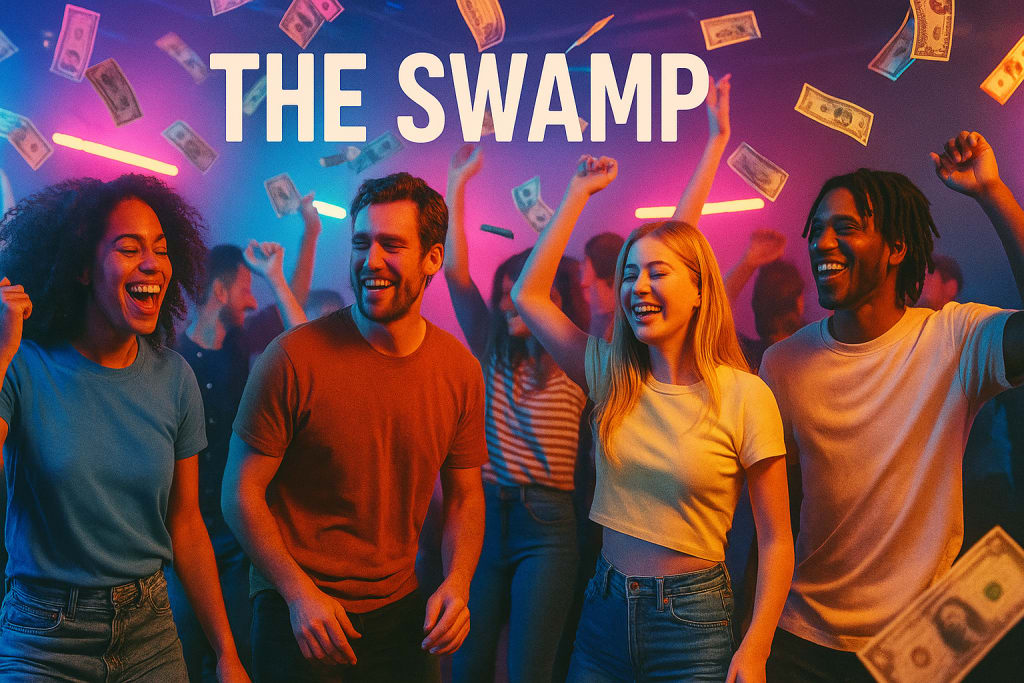
The first time I heard the term “recession pop,” I thought it was a joke. After all, what could possibly be so joyful about a struggling economy, skyrocketing rents, and high grocery bills that you’d consider taking a part-time job as a cucumber farmer? But then I pressed play on the playlist by that name, and it clicked: Recession pop isn’t about ignoring reality—it’s about living to a beat you can dance to.
The trend is as ironic as it is contagious. Just as previous generations found solace in the uncertainty of the Great Depression or the disco of the ’70s, Gen Z and millennials are finding their own soundtrack to economic angst. Today’s “recession pop” marries shiny synths and catchy choruses that acknowledge the struggle. Think of it as dancing in the rain, except the rain is a combination of student debt, job instability, and egg prices.
Why now?
Cultural trends often blossom through the cracks of adversity. During the recession of the late 2000s, artists like Lady Gaga, Ke$ha, and Katy Perry gave us escapist anthems about love, partying, and self-expression. The music was over-the-top and unapologetically fun — a bright balloon in a gray sky.
Now, in 2025, we’re seeing a resurgence of that energy, but with a twist. The music is still vibrant, but the lyrics often wink at reality: rent is due, jobs are unstable, but hey — there’s a dance floor somewhere, and the night is still young.
Songs like “Payday Parade” (a fictional but understandable title) or “Champagne on Credit” capture this perfectly. They poke fun at financial stress while urging listeners to live in the moment. You can almost hear the message: We know things are hard, but you don’t have to sacrifice your happiness for the struggle.
The Psychology Behind the Beat:
Music psychologists have long noted that upbeat tempos can lift mood and reduce stress, even when the lyrics acknowledge the hardships. It’s a form of emotional balance: validating the hardship while providing a way to process it.
Recession pop thrives on this balance. It’s not pure escapism — it’s not mindless partying. Instead, it embraces a bitter truth: happiness and struggle often go hand in hand. When you’re caught between the bulls and burnout, a catchy bassline can be the rope that pulls you out of your mental rut for at least three minutes and twenty-two seconds.
From TikTok to Mainstream:
TikTok is playing a major role in the rise of recession pop. Short, danceable snippets with tongue-in-cheek captions — like “I’m dancing to this while my credit card is being declined” — have turned some tracks into cultural touchstones. It’s the same formula that fueled the 2021 sea shack revival: humor + relatability + a strong beat = virality.
Record labels are catching on quickly. What started as a handful of independent artists churning out bedroom pop with ironic economic themes is now being polished into chart-ready singles. Big pop stars are dipping their toes in too, often collaborating with people who have mastered the “brass but cool” aesthetic.
Fashion and aesthetics:
Every musical wave brings its own look, and recession pop is no different. The aesthetic combines austerity, 2000s nostalgia, and unabashed glitz. It’s “glamour on a budget”—shiny second-hand clothes, bold makeup done with drugstore palettes, and accessories that say I’m broke but I shine.
It’s also a style renaissance. In an era when luxury brands dominate Instagram feeds, recession pop says you can be famous without spending a fortune. In fact, the difference between glamorous presentation and real-life struggles is part of the charm.
A soundtrack for the future:
Whether recession pop is a temporary fad or the start of a long-term musical movement remains to be seen. But one thing is for sure: It’s giving people what they desperately need—the permission to laugh, move, and party even when the economy says otherwise.
In a way, it’s a modern protest song, only disguised in sequins and bass drops. It refuses to let rigidity dictate the mood entirely. It says, "Yes, times are tough, but we still dance."
And maybe that's why it resonates so deeply. Music may not pay the bills, but it can keep us from feeling like those bills are the stories we need to tell.
Final thought?
We may not know when the next economic upturn will come. But as long as there's a beat to keep us going and someone willing to turn our struggles into a sparkling anthem, we'll keep finding ways to dance through tough times.
About the Creator
Echoes of Life
I’m a storyteller and lifelong learner who writes about history, human experiences, animals, and motivational lessons that spark change. Through true stories, thoughtful advice, and reflections on life.
Keep reading
More stories from Echoes of Life and writers in Beat and other communities.
Ludacris and Nelly draw backlash over bookings at MAGA-coded music festival
Ludacris and Nelly headlining a mostly right-wing event is good for them. It’s also great for the genre of hip hop. The two rap veterans have showcased their talents on other stages. Why can’t they perform for mostly MAGA folks and grab that bag?
By Skyler Saunders4 days ago in Beat
How Much Does It Cost to Replace Guitar Strings? The Complete 2026 Price Breakdown
Look, if you're reading this, you probably already know strings wear out. But what does it actually cost to keep your guitars playing well? The answer depends on what you play, how often, and whether you're doing it yourself or paying someone else.
By Resyn Marketplace3 days ago in Beat
Miss Persephone's Manual to a Seemingly Ordinary Life
Miss Persephone was found at the dining table, her blue eyes swollen, her tears arriving and retreating like the tides of the ocean. Earlier that day, her family had visited her in the retirement home where she had lived for eight years. It was her eightieth birthday.
By Imola Tóth4 days ago in Fiction


Comments
There are no comments for this story
Be the first to respond and start the conversation.