
D’Angelo: The Genius Who Changed the Sound of Soul Music
Discover how D’Angelo reshaped soul music with honesty, depth, and emotion his timeless sound still inspires artists and listeners today.

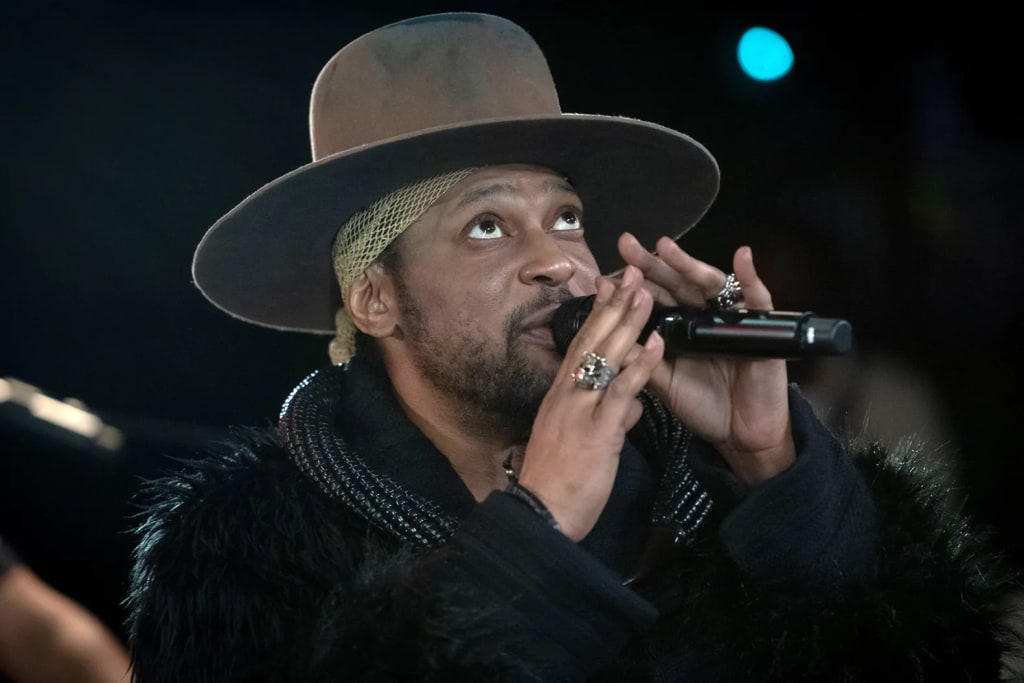
Some artists don’t just make music they reshape what it means to feel. D’Angelo is one of those rare souls. His voice carries warmth, pain, and love all at once, turning every lyric into something human and real. When he first appeared in the ’90s, the world of R&B was smooth and predictable. Then D’Angelo arrived quiet, deep, mysterious, and completely different.
His songs didn’t ask for attention; they pulled you in. He didn’t follow trends; he built a sound that others now chase. D’Angelo became more than a singer. He became a movement. His story isn’t just about fame it’s about art, silence, and the search for truth in sound.
The Beginning of a New Sound:
In 1995, a 21-year-old named Michael Eugene Archer known to the world as D’Angelo released his debut album Brown Sugar. It was raw, soulful, and unlike anything else at the time. His music blended gospel, funk, and jazz with the emotion of old-school soul. But it wasn’t just nostalgia; it felt alive, modern, and deeply personal.
Listeners immediately knew they were hearing something new. Brown Sugar didn’t sound like a studio product. It sounded like a live heartbeat. Every bass note felt hand-played. Every lyric felt whispered in a dark room. This was soul reborn not the polished R&B of the radio, but something spiritual and real.
D’Angelo didn’t aim to be famous. He aimed to be honest. And in doing so, he created what would soon be called neo-soul, a genre that redefined Black music in the modern era.
Neo-Soul: A Movement Born from Feeling
The term “neo-soul” began to spread after D’Angelo’s arrival. Other artists like Erykah Badu, Lauryn Hill, and Maxwell joined the wave. But it was D’Angelo’s sound that set the tone. His voice moved like smoke smooth but powerful. His lyrics carried faith, love, and doubt in equal measure.
Neo-soul wasn’t about perfection. It was about truth. It brought warmth back to music that had become too mechanical. Listeners could feel the sweat on the strings and the breath behind every note.
D’Angelo gave permission to artists to be vulnerable again. He reminded the world that R&B didn’t need to follow pop trends. It could be art slow, thoughtful, and full of feeling.
The Depth Behind the Voice:
What makes D’Angelo’s music timeless is how deeply it connects with emotion. He doesn’t just sing about love; he sings about what love does to you how it hurts, heals, and sometimes breaks you apart.
In songs like Lady and Cruisin’, his tone is tender but full of quiet confidence. He doesn’t shout or demand attention. Instead, he invites you to listen. You can hear the ache in his delivery, the honesty in his pauses.
Even when the lyrics seem simple, they hide a deep spiritual layer. D’Angelo often blends the sacred with the sensual faith and passion, devotion and desire. That mix gives his work a kind of electricity you can’t fake.
Voodoo: The Masterpiece That Changed Everything
In 2000, D’Angelo released Voodoo, and it shook the music world. This album wasn’t made for the charts. It was a piece of art deep grooves, live drums, and layered harmonies that felt like a journey through sound itself.
It took five years to create, and every second feels crafted with purpose. Songs like Untitled (How Does It Feel) became cultural moments. The track’s slow tempo and intimate energy redefined what sensuality in music could be.
But Voodoo was more than one song. It was an experience messy, human, alive. D’Angelo and his team recorded it mostly live, allowing imperfections to stay. You can hear breaths, movement, laughter. It sounds like life.
Critics called it one of the most important R&B albums of all time. Fans felt it was more than music it was magic.
The Price of Perfection:
After Voodoo’s success, D’Angelo disappeared. Fame had come fast, and it came heavy. The music industry wanted him to repeat his success, but D’Angelo wanted something else peace, maybe even freedom.
He stepped away from the spotlight for more than a decade. No new albums. No interviews. Just silence. For many, that silence was confusing. For others, it was sacred. It reminded people that true artists aren’t machines they’re humans, and sometimes humans need space to breathe.
During this time, his legend only grew. Fans replayed his music, searching for clues. They felt his absence like a missing heartbeat in R&B. But silence can be creative, too. D’Angelo was still writing, still exploring his sound in private.
The Return: Black Messiah
In 2014, without warning, D’Angelo returned with Black Messiah. The world was different social media ruled everything, and music had become faster, shorter, more commercial. But D’Angelo came back with the same patience and depth that defined him.
Black Messiah wasn’t a comeback. It was a statement. It spoke about race, pain, and justice, all wrapped in the sound of live instruments and layered harmonies. Songs like The Charade and till It’s Done carried messages that were both personal and political.
Critics praised it as bold and fearless. Fans called it healing. Once again, D’Angelo had given soul music something it had lost courage.
Why D’Angelo Still Matters Today?
Music today moves fast. Artists drop singles weekly, and trends change overnight. Yet, D’Angelo’s music still feels timeless. Why? Because he doesn’t chase moments; he creates them.
His influence can be heard in artists like Anderson. Paak, Frank Ocean, and H.E.R. They all carry pieces of his honesty the unpolished groove, the emotional depth, the mix of soul and vulnerability.
But D’Angelo’s true legacy isn’t just sound. It’s spirit. He showed that music doesn’t have to shout to be powerful. It can whisper and still move mountains.
He reminds artists to slow down, to listen to silence, to make something that lasts. In an age of noise, D’Angelo’s calmness feels revolutionary in its own quiet way.
The Art of Staying True
Many people wonder why D’Angelo never became as visible as other stars. The answer is simple he didn’t want fame more than truth. He refused to let the industry shape him. Instead, he shaped himself, album by album, moment by moment.
That choice came at a cost. Long breaks, pressure, misunderstanding. But it also gave him something rare integrity. Every D’Angelo song feels like it comes from his soul, not a marketing plan.
He once said that music should come from a real place, not from the need to please others. That philosophy runs through everything he’s ever done. It’s why people still wait years for his next move because they know it will be real.
A Legacy Written in Sound:
When you listen to D’Angelo, you’re not just hearing music. You’re hearing a time capsule of emotion, culture, and humanity. His sound connects generations old-school soul fans and new listeners who crave meaning.
He built bridges between eras, blending the rawness of the past with the sensitivity of the present. His songs are played at weddings, protests, quiet nights alone, and joyful celebrations. That’s the power of true art it belongs everywhere.
Even after all these years, Brown Sugar, Voodoo, and Black Messiah still feel alive. They breathe. They make listeners stop, feel, and think.
That’s how D’Angelo changed the sound of soul not by trying to be different, but by being himself.
Lessons from D’Angelo’s Journey:
D’Angelo’s story isn’t just about music. It’s about creativity, faith, and courage. It’s about saying “no” when the world demands “yes.”
His path teaches artists and anyone creating anything that it’s okay to take time. Great work doesn’t come from rushing. It comes from honesty and reflection.
He teaches that silence can be sacred, and that art doesn’t always need to explain itself. Sometimes, the feeling is the explanation.
Above all, D’Angelo shows that the soul isn’t a sound it’s a way of living.
The Genius Behind the Mystery:
Part of what makes D’Angelo unforgettable is his mystery. He doesn’t post online every day or chase trends. That quietness adds to his power. When he speaks through his music people listen.
In a world where everyone is trying to be seen, D’Angelo reminds us that it’s okay to be hidden if your art shines loud enough. His mystery isn’t a strategy. It’s who he is.
That’s what makes him special. He lives through his sound, not his image. And that sound continues to echo across generations.
The Emotional Core of His Music:
If you strip away everything fame, awards, production what remains is emotion. That’s D’Angelo’s true genius. He turns feelings into rhythm, fear into melody, and faith into harmony.
Every song feels alive because it carries real human energy. When he sings, you feel both strength and fragility. You feel life.
And maybe that’s why people keep returning to his music. It’s not about nostalgia it’s about recognition. We see ourselves in his songs. Our doubts, our hopes, our quiet need to be understood.
Conclusion: The Soul Lives On
D’Angelo’s legacy isn’t frozen in time. It continues to grow, shaping how artists think and how listeners feel. His journey proves that art doesn’t need to be constant to be lasting. It just needs to be real.
In an industry that often values speed over soul, D’Angelo stands as proof that patience still matters. That depth still wins hearts. That music when made with truth never fades.
He changed the sound of soul by reminding the world what soul truly is: not just a genre, but a heartbeat.
D’Angelo’s story isn’t over. It’s still humming quietly in every song that dares to feel.
About the Creator
Zeenat Chauhan
I’m Zeenat Chauhan, a passionate writer who believes in the power of words to inform, inspire, and connect. I love sharing daily informational stories that open doors to new ideas, perspectives, and knowledge.
Keep reading
More stories from Zeenat Chauhan and writers in Beat and other communities.
Latest MLB Scores Today: Live Updates, Results, and Highlights
The crack of the bat. The roar of the crowd. The smell of fresh-cut grass. Major League Baseball is more than just a sport it’s an experience that brings fans together, sparks emotions, and creates memories that last a lifetime. Every game has its heroes and heartbreaks, its moments of brilliance and crushing near-misses.
By Zeenat Chauhan6 months ago in Beat


Comments
There are no comments for this story
Be the first to respond and start the conversation.