
Chuck Mangione’s Cause of Death Revealed — What Really Happened to the Jazz Legend?
Chuck Mangione’s Cause of Death Revealed — What Really Happened to the Jazz Legend?

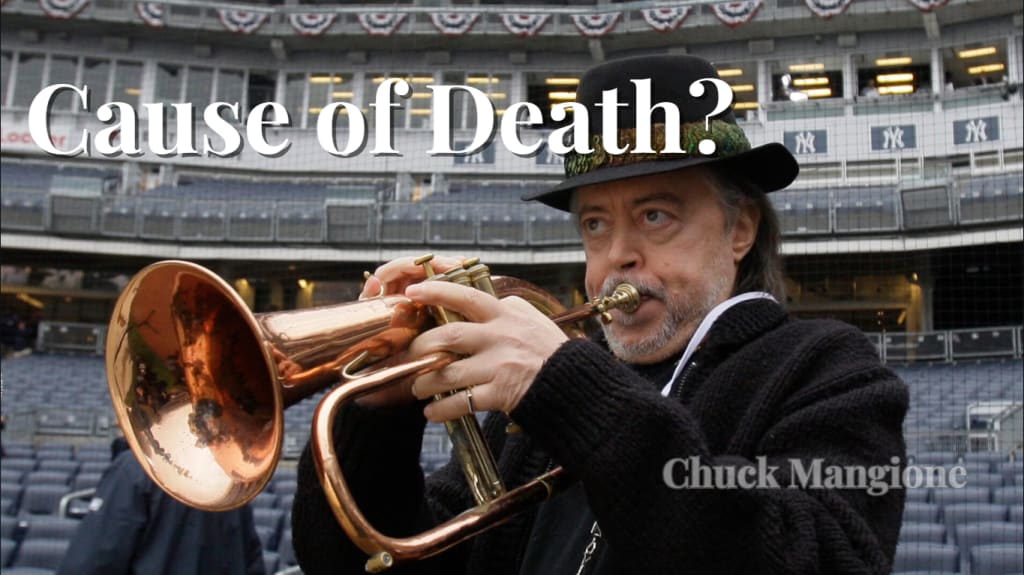
The world of jazz is in mourning. Chuck Mangione, the flugelhorn-playing legend who changed the sound of smooth jazz forever, has passed away at the age of 84. Known globally for his soulful 1977 instrumental “Feels So Good,” Mangione died peacefully in his sleep on July 22, 2025, at his home in Rochester, New York.
For millions of fans, the news was both heart-breaking and surreal. In a world filled with noise and chaos, Mangione’s music always felt like a warm breeze on a summer night. And now, as that breeze fades, we’re left with memories, melodies, and a deep curiosity: what really happened?
A Quiet Passing After a Life of Passion
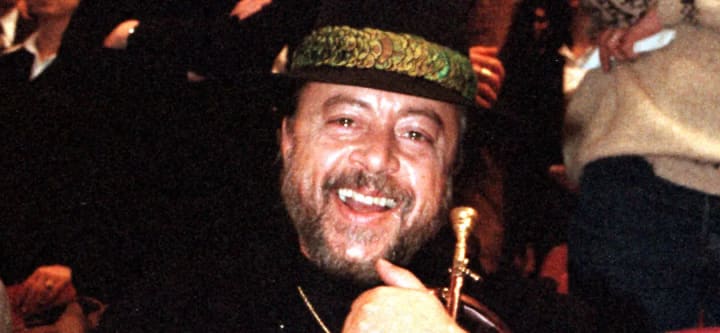
According to sources close to the family, Chuck Mangione died of natural causes. No foul play, no medical emergency. Just the quiet closing of a long, rich life — lived in full rhythm. His family has confirmed that he passed away peacefully in his sleep, leaving behind not only an extraordinary musical legacy, but also a deep imprint on the hearts of those who knew him.
Born and raised in Rochester, New York, Chuck had always kept close ties to his roots. He wasn’t just a jazz superstar — he was also a beloved mentor, teacher, and community figure. In a world of fleeting fame, Chuck’s dedication to music, education, and family was timeless.
“Feels So Good” — The Song That Never Stopped Playing
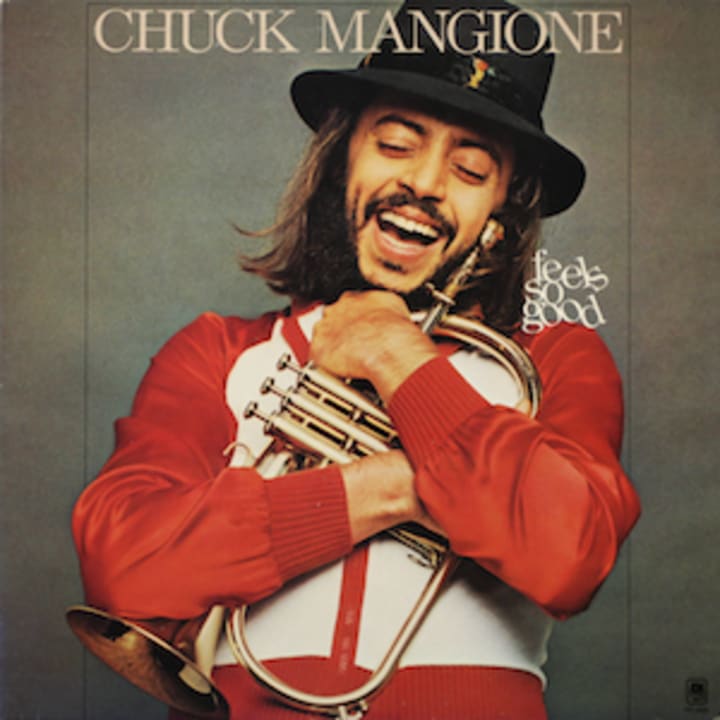
If you’ve ever walked into a coffee shop, turned on a soft rock radio station, or sat back in an elevator humming an oddly familiar tune — chances are, you’ve heard “Feels So Good.” The breezy, horn-led instrumental climbed to No. 4 on the Billboard Hot 100 and became an instant classic. Decades later, it’s still considered one of the greatest crossover jazz hits in history.
But for Mangione, it wasn’t about charts. It was about feeling. And that feeling — joy, calm, nostalgia — is what made his work resonate across generations.
“Feels So Good” was more than a song. It was a signature, a sound, a vibe. And it still plays on in commercials, movie scenes, and jazz lounges around the world.
Beyond the Stage — A Humble Jazz Giant
Chuck wasn’t just a performer. He was a composer, conductor, and educator. After studying at and later directing the jazz ensemble at Eastman School of Music, Mangione used his platform to nurture young talent and keep jazz alive for the next generation.
He also composed Olympic theme music — “Chase the Clouds Away” for the 1976 Summer Olympics and “Give It All You Got” for the 1980 Winter Games. His reach stretched far beyond albums and concerts. It was international. It was cultural. It was human.
A Pop Culture Surprise: King of the Hill

Younger audiences who didn’t grow up in the jazz era may still know Chuck Mangione — thanks to King of the Hill. The long-running animated series gave him a quirky, self-aware cameo where he played… himself. His cartoon version would pop up in the strangest places, flugelhorn in hand, usually playing — you guessed it — “Feels So Good.”
It was a tongue-in-cheek tribute, but it worked. It introduced Mangione to a whole new audience and reminded us all of his lasting place in pop culture.
A Legacy That Won’t Fade
As tributes pour in from fans, musicians, and cultural icons, one thing is clear: Chuck Mangione’s legacy is secure. He brought a gentleness to jazz that made it accessible. He turned an instrument most people ignored — the flugelhorn — into a household sound. He never chased fame, but it found him anyway.
And in an age of synthetic beats and viral fame, his authenticity stands out more than ever.
His final years were quiet but peaceful, spent with family, far from the spotlight. But his music never stopped playing — and likely never will.
Final Thoughts
Chuck Mangione wasn’t just a jazz musician. He was a mood. A feeling. A sound you didn’t know you needed until you heard it again.
He made the world feel so good, and now the world feels just a little more silent without him.
But if you listen closely — in your favorite café, on a vinyl record, in an old cartoon rerun — you’ll still hear it.
That flugelhorn.
That melody.
That feeling.
So good.
About the Creator
Keep reading
More stories from Bevy Osuos and writers in Beat and other communities.
D’Wayne Wiggins’ Cause of Death: Sudden Passing at 64
D'Wayne Wiggins, the esteemed guitarist, producer, and co-founder of the influential R&B group Tony! Toni! Toné!, passed away on March 7, 2025, at the age of 64. His death was attributed to complications from bladder cancer, a diagnosis he had been privately battling for the past year.
By Bevy Osuos11 months ago in Beat
Ludacris and Nelly draw backlash over bookings at MAGA-coded music festival
Ludacris and Nelly headlining a mostly right-wing event is good for them. It’s also great for the genre of hip hop. The two rap veterans have showcased their talents on other stages. Why can’t they perform for mostly MAGA folks and grab that bag?
By Skyler Saunders5 days ago in Beat
Wild Card Weekend Recap: What Happens Now?
I think I figured out why I love Wild Card Weekend so much. It's because it's the first playoff anything of the calendar year. The NFL season starts in the fall, and once upon a time, the champion was crowned either on or slightly before New Year's. The evolution of the NFL schedule has resulted in the playoffs starting just into the New Year, and currently, the final week of the season falls on the first weekend of the New Year, with Wild Card Weekend coming a week after that. So yes, chronologically, the NFL's Wild Card Weekend serves as the first playoff anything of the calendar year.
By Clyde E. Dawkins7 days ago in Unbalanced



Comments
There are no comments for this story
Be the first to respond and start the conversation.