
Chingy Was The South’s Secret Weapon In The 2000s by NWO Sparrow
How the St. Louis star bridged regional pride with national chart dominance in the early 2000s

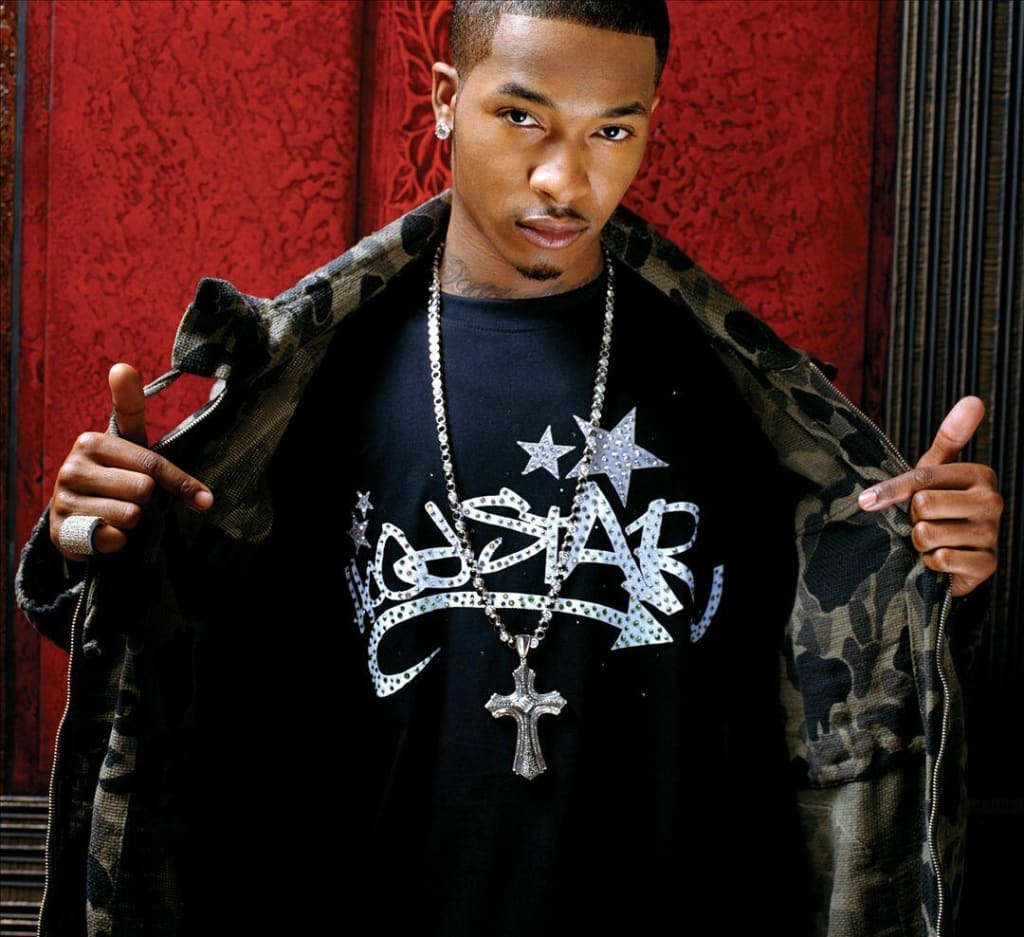
Discussing how Chingy helped validate Southern rap during hip-hop’s most competitive decade
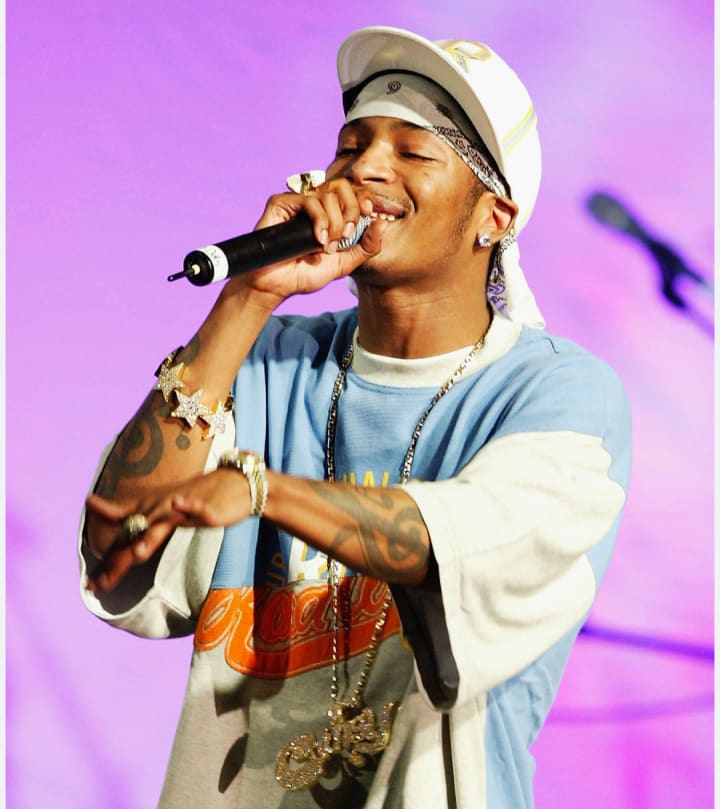
When fans speak about Southern hip-hop’s explosion in the early 2000s, the conversation usually highlights major names like Ludacris, Nelly, Lil Jon and the East Side Boyz, Cash Money Records, and the Ying Yang Twins. Those artists helped bring the South into mainstream visibility with club records, regional pride, and undeniable charisma. Still, during that era, critics and purists often placed an invisible question mark beside their success. Some labeled the movement as novelty driven or overly reliant on party anthems instead of lyrical staying power.
Then Chingy entered the equation in 2003 and quietly reshaped that narrative.
Chingy arrived during a moment when hip-hop felt like a competitive sport between coasts. The East dominated with cultural prestige and long standing credibility. Jay-Z remained a towering figure in business and lyricism. 50 Cent exploded with street storytelling that captured radio and retail dominance. Cam’Ron brought Harlem flair and colorful swagger to the forefront. Lil Kim represented fashion, femininity, and fearless bars. DMX maintained raw emotional intensity while Joe Budden scored commercial radio traction with his breakout hit. Southern artists needed performers who could match that national appeal while preserving their regional identity.
Chingy became that bridge.
Hailing from St. Louis, Missouri, Chingy represented the Midwest geographically, yet his musical style aligned closely with Southern bounce and melodic cadence. His delivery carried a conversational smoothness that blended street presence with crossover accessibility. That balance allowed him to compete with East Coast dominance without abandoning Southern flavor. His arrival suggested that Southern rooted artists could command radio rotation, club playlists, and sales numbers without being confined to novelty labels.
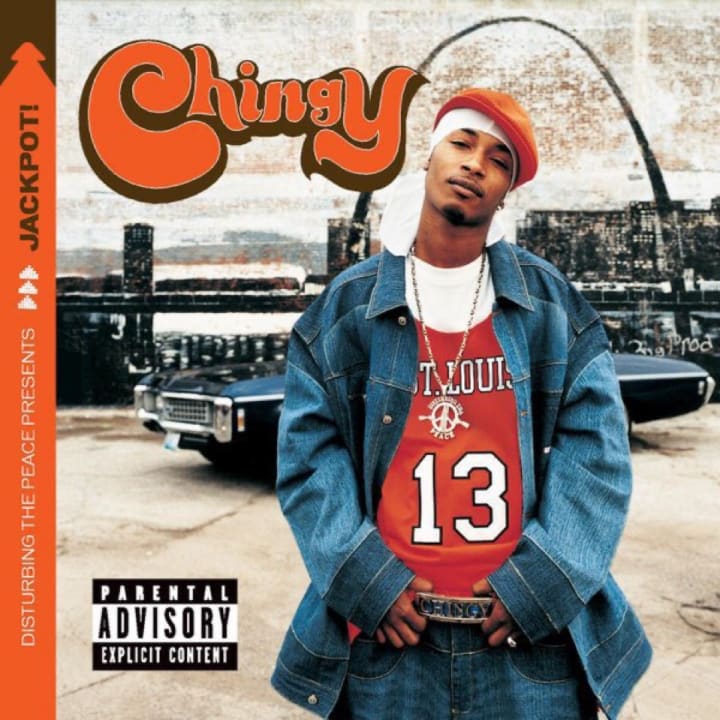
His debut album Jackpot remains one of the clearest examples of that impact. Released under Ludacris’ Disturbing Tha Peace imprint, the project introduced Chingy as a polished hitmaker with strong commercial instincts. The lead single “Right Thurr” became an immediate cultural moment. The track dominated radio stations, club speakers, and music video countdowns across America. Its catchy pronunciation style, playful confidence, and bounce driven production captured listeners across regions. “Right Thurr” peaked at number two on the Billboard Hot 100 and became a defining anthem of 2003. The song proved Southern influenced rhythm could compete directly with East Coast street rap and West Coast party sounds simultaneously. It also showcased Chingy’s ability to create music that felt authentic to his environment while remaining accessible to mass audiences.
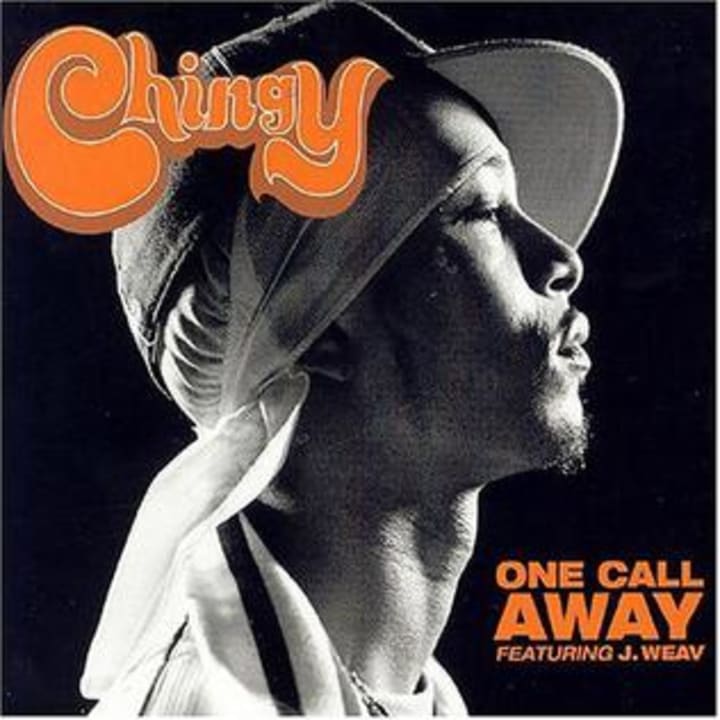
Chingy followed that momentum with “Holidae In,” featuring Ludacris and Snoop Dogg. That collaboration symbolized unity across regions. Ludacris represented Atlanta’s growing influence while Snoop Dogg carried West Coast legacy status. Chingy positioned himself between both worlds while maintaining his own lane. Another standout record, “One Call Away,” displayed his versatility by leaning toward romantic storytelling. The song expanded his reach beyond club culture and into relationship driven radio rotation, proving he possessed range that extended past party records.
Commercial numbers reinforced his cultural relevance. Jackpot sold over two million copies in the United States and earned multi platinum certification. At a time when physical album sales defined success, those figures placed Chingy among the era’s elite performers. His sophomore album Powerballin’ debuted strong as well, moving over 100,000 units during its first week and eventually reaching platinum status. Those sales confirmed that his debut was not accidental momentum but rather sustained fan investment.
Chingy’s affiliation with Disturbing Tha Peace played a critical role in his trajectory. Ludacris founded DTP as a creative hub that balanced Southern authenticity with mainstream strategy. The label functioned as a powerhouse during the early 2000s, releasing successful projects while maintaining artistic individuality. Chingy’s presence expanded DTP’s roster diversity and strengthened its commercial footprint. DTP also served as a competitive counterpart to Nelly’s St. Lunatics collective. While St. Lunatics represented St. Louis with playful charisma and melodic experimentation, DTP offered a slightly sharper presentation rooted in Southern street charisma and polished marketing. Chingy’s involvement helped position DTP as an alternative choice for fans who appreciated regional pride but wanted a different sonic direction.
Beyond sales and chart placement, Chingy contributed to Southern hip-hop’s stylistic evolution. His cadence emphasized rhythm and clarity instead of heavy lyrical density. That approach influenced how future artists balanced melody with street narratives. His fashion choices and confident persona reflected early 2000s hip-hop aesthetics that blended luxury with accessible cool. He carried himself with charisma that translated well on television and stage performances.
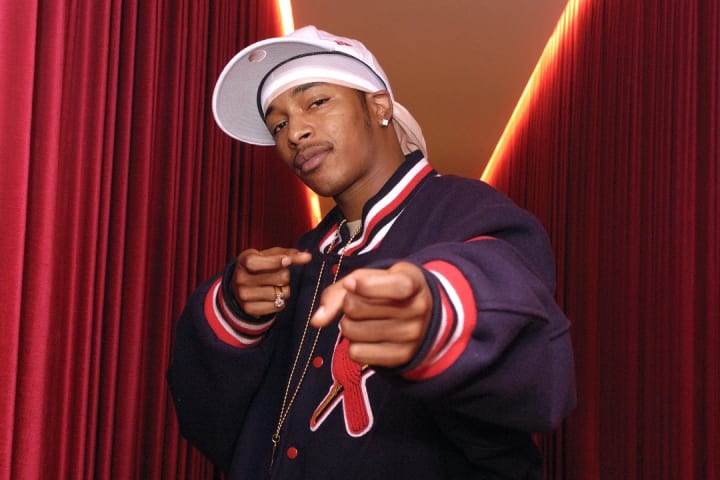
Chingy also demonstrated how artists outside traditional Southern states could embody Southern musical identity. St. Louis historically shared cultural connections with Southern cities through sound patterns and storytelling themes. Chingy’s success highlighted that influence and expanded how listeners defined Southern hip-hop geography. He represented a regional crossover that strengthened the movement’s national credibility.
Looking back, Chingy’s contributions deserve deeper recognition within hip-hop history. While some artists dominated conversations through controversy or aggressive branding, Chingy focused on crafting records that resonated with everyday listeners. His catalog remains a snapshot of an era when Southern hip-hop transitioned from regional movement to commercial powerhouse. Chingy helped remove doubts surrounding Southern rap’s longevity by delivering chart success, crossover appeal, and stylistic consistency. His presence during the early 2000s provided continuity that strengthened the South’s claim as hip-hop’s dominant creative force. For fans who witnessed that era unfold, Chingy represents more than hit singles. He symbolizes a moment when Southern artists proved they could compete across every coast while maintaining their cultural identity.
About the Creator
NWO SPARROW
NWO Sparrow — The New Voice of NYC
I cover hip-hop, WWE & entertainment with an edge. Urban journalist repping the culture. Writing for Medium.com & Vocal, bringing raw stories, real voices & NYC energy to every headline.
Keep reading
More stories from NWO SPARROW and writers in Beat and other communities.
I've Just Realized
The President doesn't understand music. There. It felt very good to write that; it's some thing I just realized today. Oh , yes; he plays it. He TRUMPets it in rallies and meetings, pumps it across the airwaves when he gathers up our minutes waiting for his late arrival.
By Judey Kalchik 3 days ago in Beat


Comments
There are no comments for this story
Be the first to respond and start the conversation.