
Beyond the Fort Walls: Unveiling the Secrets of Amagarh Leopard Safari
The Amagarh Leopard Safari is a reminder that true adventure often lies just beyond the familiar.
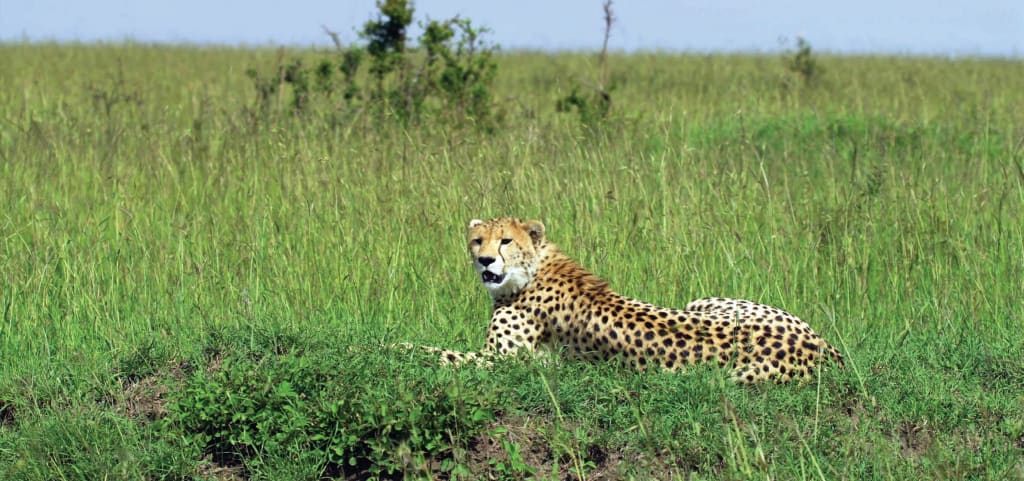
Nestled on the eastern edge of Jaipur, the Amagarh Leopard Safari is one of Rajasthan’s most intriguing wildlife experiences — a place where history and wilderness come together in perfect harmony. Far away from the bustling streets of the Pink City lies a world shrouded in mystery, where ancient forts overlook dense forests, and the elusive leopard reigns as the undisputed king. The Amagarh Leopard Safari offers a rare opportunity to witness this magnificent predator in its natural habitat while exploring the centuries-old tales hidden within the fort walls.
The Untold Story of Amagarh
The Amagarh Fort, perched atop the Aravalli hills, carries a history that stretches back several centuries. Built to serve as a stronghold during the reign of the Kachwaha rulers of Jaipur, the fort has long stood as a silent witness to battles, royal legacies, and the changing face of the land around it. Over the years, nature slowly reclaimed its territory — and today, the fort is surrounded by thick vegetation that serves as the perfect home for leopards, hyenas, jackals, and several species of birds.
What makes Amagarh truly unique is this fascinating blend of heritage and wildlife. Unlike most wildlife reserves, where man-made structures are absent, Amagarh presents an enchanting contrast — leopards roaming freely against a backdrop of ancient ruins and rugged landscapes.
The Birth of the Amagarh Leopard Safari
Following the growing success of the Jhalana Leopard Safari, the Rajasthan Forest Department developed Amagarh as another dedicated leopard habitat in 2022. The goal was to provide a safe corridor for the leopards and reduce human-wildlife conflict while allowing tourists to experience the thrill of spotting these majestic animals close to Jaipur.
Spread across several square kilometers, the Amagarh Leopard Reserve now serves as a natural haven not only for leopards but also for other species such as the Indian fox, blue bull (nilgai), peafowl, and numerous reptiles. The region’s rugged terrain, rocky outcrops, and water bodies make it an ideal ecosystem for wildlife to thrive.
Setting Out on the Safari
The adventure begins at the entry point near the base of Amagarh Fort, where safari vehicles await to take visitors deep into the forest. Each vehicle is accompanied by a trained forest guide who shares fascinating insights about the area’s wildlife, vegetation, and history.
The drive takes you through dusty trails that twist through valleys and over hills, offering breathtaking views of the Aravalli Range. The excitement builds as you move deeper into the wilderness, scanning the landscape for the golden, spotted coat of a leopard blending seamlessly into the rocks.
The Thrill of the Sighting
Spotting a leopard in Amagarh is a moment of pure magic. Known for their stealth and grace, leopards often perch on rocky ledges or rest under the shade of acacia trees. With patience and a keen eye, visitors can witness these majestic cats in their element — sometimes crossing the path ahead, lounging lazily on a boulder, or skillfully stalking prey through the undergrowth.
Early mornings and late evenings are the best times for sightings, as leopards are most active during these hours. The guides are adept at identifying fresh pugmarks and alarm calls, which often indicate the presence of the predator nearby.
Beyond Leopards: A Haven for Wildlife
While leopards are the stars of the Amagarh Safari, the forest teems with other forms of life. You might spot hyenas trotting through the scrublands, jackals darting across open fields, or peacocks displaying their feathers near the fort walls. Birdwatchers are in for a treat, with sightings of Indian rollers, eagles, owls, and bee-eaters adding color to the adventure.
Reptile enthusiasts can also keep an eye out for monitor lizards and snakes, which are common in this rocky terrain. The biodiversity of Amagarh makes it an educational as well as an exciting experience for visitors of all ages.
The Majestic Amagarh Fort
As you venture deeper into the reserve, the silhouette of Amagarh Fort looms large against the sky. The fort’s weathered walls and crumbling bastions tell stories of an era long gone — of warriors, kings, and the passage of time. Exploring this fort feels like stepping into a forgotten chapter of Rajasthan’s history.
Many parts of the fort remain intact, offering panoramic views of Jaipur city and the surrounding wilderness. The contrast between the fort’s regal structure and the untamed forest below perfectly symbolizes the coexistence of history and nature that defines Amagarh.
A Journey Through Seasons
Each season brings a different charm to the Amagarh Leopard Safari.
Summer (March to June): The landscape turns golden, and leopards are often seen near waterholes, making sightings more frequent.
Monsoon (July to September): The forest comes alive with lush greenery, blooming flowers, and a refreshing breeze, although sightings can be trickier due to dense vegetation.
Winter (October to February): This is the best time to visit — with pleasant weather, clear skies, and a higher chance of spotting wildlife during morning and evening drives.
No matter the season, every visit to Amagarh offers something special — whether it’s the roar of a leopard echoing through the hills or the golden light of sunrise washing over the ancient fort.
Tips for an Unforgettable Safari
Book Early: Safari slots are limited and often fill up quickly, especially during weekends and holidays.
Choose the Right Time: Opt for early morning or late afternoon drives when animals are most active.
Dress Comfortably: Neutral-colored clothing, hats, and sunglasses are ideal for blending in with the surroundings.
Carry Essentials: Water bottles, binoculars, cameras, and a light jacket are must-haves.
Stay Silent and Patient: Wildlife sightings require patience. Keeping quiet helps avoid disturbing animals and increases your chances of spotting leopards.
Conservation Efforts
The establishment of the Amagarh Leopard Safari is not just about tourism — it’s also a conservation initiative. The forest department actively works to maintain a balanced ecosystem, protect wildlife, and promote eco-tourism. Regular monitoring, patrolling, and awareness programs ensure that both animals and their habitats remain safe.
By supporting such projects, visitors contribute to the larger mission of wildlife preservation. The revenue generated from safaris helps fund conservation activities and provides livelihood opportunities for local communities.
Why Amagarh Stands Out
While Rajasthan is home to many wildlife experiences — from the tigers of Ranthambore to the birds of Bharatpur — Amagarh offers something truly unique. It’s not just a safari; it’s an exploration of time itself. Where else can you witness leopards roaming beneath ancient fort walls, or hear stories of kings while tracking one of nature’s most elusive predators?
This rare combination of heritage, history, and wilderness makes Amagarh a destination that speaks to both adventurers and dreamers.
Conclusion
The Amagarh Leopard Safari is a reminder that true adventure often lies just beyond the familiar — beyond the fort walls, where the whispers of history meet the wild calls of nature. As the jeep winds through the forest and the sun sets behind the hills, you realize that Amagarh is more than just a safari; it’s a journey into the soul of Rajasthan itself.
Here, among ancient stones and silent forests, the secrets of the wild unfold — and for a brief, unforgettable moment, you become part of a story that has been written across centuries.
About the Creator
prince sain
Hey, I’m Prince, and I love traveling. Exploring new places and meeting new people is my jam. I get super excited about finding cool stuff in different places and learning about different cultures.
Keep reading
More stories from prince sain and writers in Beat and other communities.
Bandeje Falls Trek: A Journey Through Nature’s Untamed Paradise
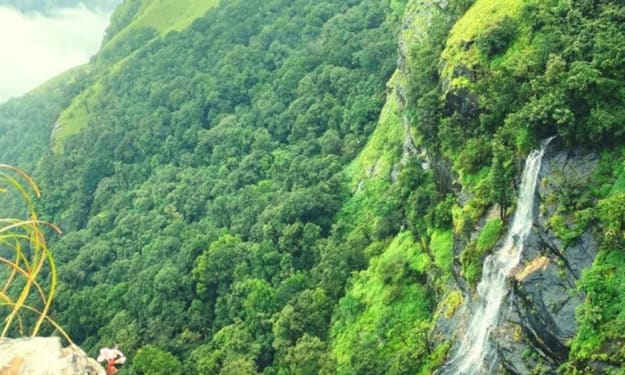
Hidden deep within the lush green landscapes of Karnataka lies one of the most enchanting trekking destinations – Bandeje Falls. Known for its raw beauty, serene surroundings, and cascading waters, the Bandeje Falls Trek is an adventure that takes trekkers through dense forests, rolling hills, and untamed trails before revealing the breathtaking sight of a majestic waterfall dropping from an impressive height. Unlike some popular treks that are crowded and commercialized, Bandeje offers solitude, untouched beauty, and a chance to connect with nature at its purest.
By prince sain4 months ago in Beat
Ludacris and Nelly draw backlash over bookings at MAGA-coded music festival
Ludacris and Nelly headlining a mostly right-wing event is good for them. It’s also great for the genre of hip hop. The two rap veterans have showcased their talents on other stages. Why can’t they perform for mostly MAGA folks and grab that bag?
By Skyler Saunders3 days ago in Beat
Hold On to the Vision: El Pablo 1x Leads with Purpose, Music, and Community
Memphis has always been a city of sound, soul, and fearless originality—and standing firmly in that tradition is El Pablo 1x, the award-winning, nationally touring artist and visionary leader of the Black Sheep Kid movement. More than just a performer, El Pablo 1x is a curator of culture, a builder of platforms, and a relentless advocate for independent artists who dare to move differently.
By Independent Indie Artist Radar3 days ago in Beat


Comments
There are no comments for this story
Be the first to respond and start the conversation.