
Beas Kund Trek: A Himalayan Adventure to the Source of Legends
Beas Kund Trek
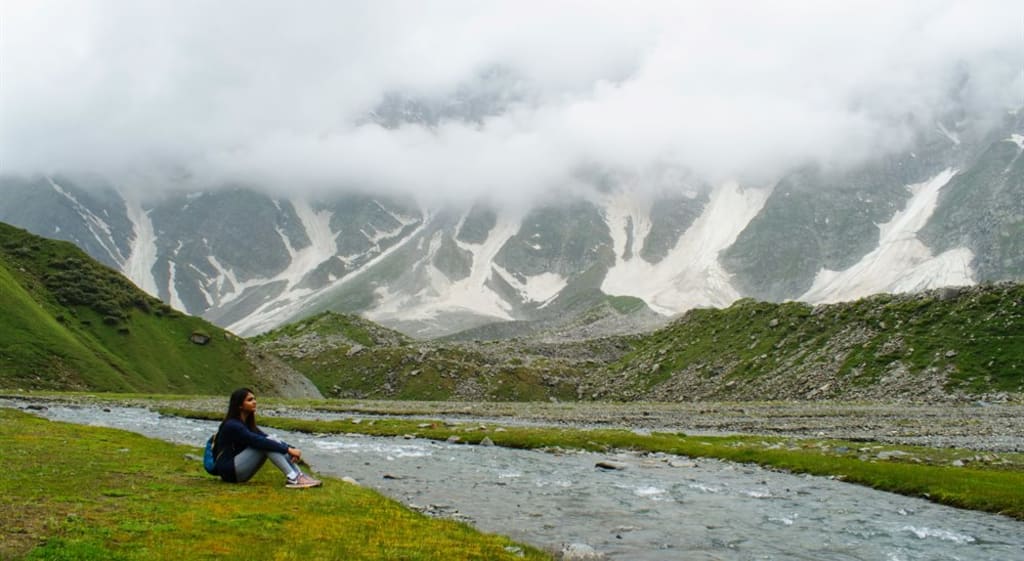
Tucked away in the towering Dhauladhar range of Himachal Pradesh, the Beas Kund Trek offers an exhilarating gateway into the heart of the Indian Himalayas. Known for its mythical significance and natural grandeur, this trek is perfect for beginners and seasoned hikers alike. From alpine meadows to glacial lakes, this journey not only brings travelers face-to-face with awe-inspiring landscapes but also leads them to the very source of the sacred Beas River.
In this article, we’ll walk through everything you need to know about the Beas Kund Trek — from the route and terrain to the myths, seasons, and practical tips. Whether you're planning your first Himalayan hike or looking for a peaceful escape, this adventure is worth exploring.
What Is Beas Kund and Why Is It Special?
Beas Kund is a glacial lake nestled at an altitude of approximately 3,700 meters (12,140 feet) above sea level. It is believed to be the originating point of the Beas River, which flows through the lush Kullu Valley before merging with the Sutlej in Punjab.
Legend has it that Sage Vyas — the composer of the Mahabharata — meditated at this very spot, lending the lake its name: "Beas" from Vyas and "Kund" meaning lake. The area holds deep spiritual and historical resonance for locals and pilgrims alike. Despite its mythical roots, Beas Kund is anything but inaccessible. The trek leading to it is surprisingly moderate, making it one of the most popular short treks in Himachal Pradesh.
Trek Overview: Route, Distance & Difficulty
- Starting Point: Solang Valley (13 km from Manali)
- Total Trek Distance: ~15–17 km round trip
- Duration: 3–4 days
- Maximum Altitude: ~3,700 m
Trek Difficulty: Easy to Moderate
The journey typically begins in Solang Valley, which is known for skiing in winter and paragliding in summer. From there, trekkers pass through Dhundi and Bakarthach, two high-altitude meadows surrounded by imposing peaks like Hanuman Tibba and Shitidhar. The final stretch to Beas Kund involves a rocky ascent with panoramic views of glaciers and snow-fed streams.
Despite being a relatively short trek, the altitude gain is significant, and hikers should prepare adequately to avoid issues such as altitude sickness.
Scenery and Highlights Along the Way
What sets the Beas Kund Trek apart is the variety of terrains packed into a compact route. Within a span of a few hours, trekkers traverse pine forests, alpine meadows, and glacial basins.
Here are a few key highlights:
Dhundi: A scenic stop amid tall deodar trees and snow-fed rivers. It's a great acclimatization point.
Bakarthach: Known as the “shepherd’s field,” this grazing ground is surrounded by towering cliffs and offers sweeping vistas.
Beas Kund: The crown jewel. A serene, emerald lake that reflects the surrounding snowcaps like a mirror on a calm day.
The landscape constantly shifts between open skies and rugged mountainscapes, making the entire experience both visually and emotionally enriching.
Best Time to Visit
The ideal time for the Beas Kund Trek falls between mid-May and early October. During these months, the weather remains relatively stable, and the trail is accessible without excessive snow cover.
May–June: Snow still clings to the higher altitudes, offering a unique contrast with the green meadows below.
July–August: Monsoon brings vibrant alpine flora but also increases the risk of landslides. Proceed with caution.
September–October: Crisp post-monsoon weather and clear skies make this the most picturesque window for trekking.
Avoid the winter months (November to April) as the trail becomes treacherous due to heavy snowfall and limited visibility.
Preparing for the Trek: What to Pack
While the Beas Kund Trek doesn’t require technical mountaineering skills, preparation is crucial. Here's a brief checklist:
Essentials:
- Waterproof hiking boots with good ankle support
- Warm layers (base layer, fleece, down jacket)
- Waterproof jacket and pants
- Hat, gloves, and sunglasses
- Reusable water bottle and water purification tablets
- Trekking poles (optional but helpful)
Personal items:
- Sunscreen (SPF 50+)
- Lip balm with SPF
- Basic first aid kit
- ID proofs and permits (if any)
While many local operators provide tents and meals, packing smartly will improve comfort and ensure safety throughout the trek.
Local Culture and Sustainability
The region surrounding Beas Kund is home to small communities of Gaddis — nomadic shepherds who rely on high-altitude pastures. Trekkers often encounter these communities grazing their flocks during summer months. A respectful and responsible approach to local culture can greatly enhance the trekking experience.
To minimize environmental impact:
- Avoid single-use plastics
- Stay on marked trails to protect alpine vegetation
- Carry your waste back to the base
The Indian Himalayas are extremely vulnerable to human activity, and it's vital that tourism aligns with sustainability principles.
Choosing a Trekking Company or Going Solo
Many adventure companies based in Manali and Delhi offer guided Beas Kund Trek packages. These typically include transportation from Manali, meals, tents, and experienced guides. While the trail is well-marked, going with a reputable company adds a layer of safety, particularly if you're new to high-altitude trekking.
On the other hand, experienced trekkers often choose to go solo or in small independent groups. However, always inform someone of your itinerary and expected return.
Things to Keep in Mind
Altitude awareness: Acclimatize in Manali for at least a day before starting the trek.
Weather changes quickly: Always carry rain protection and check forecasts frequently.
Emergency services are limited: Mobile networks may not work beyond Solang.
Permits: Usually not required for Indian nationals, but check with local authorities for updates.
Final Thoughts: A Trek That Marries Myth and Majesty
The Beas Kund Trek is more than a mountain adventure — it's a walk through legends, landscapes, and local lore. From the tranquil glacial lake that birthed a river to the dramatic Himalayan panoramas, every step of this journey tells a story.
Whether you're chasing high-altitude thrills or seeking a spiritual sojourn in the wilderness, Beas Kund delivers. It's a rare blend of accessibility and alpine grandeur, wrapped in a cultural and ecological tapestry that demands both wonder and respect.
About the Creator
prince sain
Hey, I’m Prince, and I love traveling. Exploring new places and meeting new people is my jam. I get super excited about finding cool stuff in different places and learning about different cultures.
Keep reading
More stories from prince sain and writers in Beat and other communities.
Bandipur National Park: Where Adventure Meets Conservation
Nestled in the verdant foothills of the Western Ghats, Bandipur National Park stands as a shining example of India’s commitment to wildlife conservation. Located in Karnataka and forming part of the Nilgiri Biosphere Reserve, this protected expanse is more than just a sanctuary—it's a dynamic ecosystem where biodiversity thrives and visitors discover nature in its most untamed form. For those yearning to explore the wild while supporting ecological preservation, Bandipur is the ideal destination.
By prince sain8 months ago in Beat
Ludacris and Nelly draw backlash over bookings at MAGA-coded music festival
Ludacris and Nelly headlining a mostly right-wing event is good for them. It’s also great for the genre of hip hop. The two rap veterans have showcased their talents on other stages. Why can’t they perform for mostly MAGA folks and grab that bag?
By Skyler Saunders5 days ago in Beat


Comments
There are no comments for this story
Be the first to respond and start the conversation.