
AI Music: The New Generation of Music
Slop or Genius Invention?

The advancement in technology has given rise to a new genre of music: AI music. Many have called it low quality and uninspiring, while others say it boosts efficiency and fosters creativity. While generative AI is hailed as a genius creation that helps artists overcome creative blocks, the overuse of low quality production creates the label of AI slop. AI Slop is defined as "digital content made with generative artificial intelligence that is perceived as lacking in effort, quality or meaning" [Wikipedia]. This raises a massive problem for the future of songwriting: while some see it as an efficiency boost, others see it as the gradual homogenisation of music, flooding our playlists with hollow songs with no emotional undertones. This begs the question: is AI the new generation of songwriting, or is it just a shortcut for the lazy?
AI unlocks many benefits for music production, such as allowing beginners to create professional-quality audio, all without prior knowledge or experience, expensive equipment or mentoring. Critics have also lauded its ability to inspire artists and spark new creative ideas, offering them a springboard to launch off from. A great example is Ye (previously known as Kanye West)'s first version of the album BULLY, which primarily involved AI generated lyrics and melodies. Although this received backlash from West's community, it set the standards high for when the album with genuine, human lyrics will release. AI music production also optimises time-consuming processes like mastering, allowing artists to move faster and focus on creative work [LCCM].
On the other hand, AI has been used to make deepfake vocals and covers. For example, AI has been used to mimic "Kill Bill" by SZA in Ariana Grande's voice. Not only does this violate the intellectual property of both people, it could potentially cause reputational harm to the singers. While this is a particularly mild case, deepfake vocals could be used to frame a singer for prejudiced or discriminatory views, like Bruno Mars expressing hate for women. As mentioned before, AI music is inevitably soulless and lacks authenticity. Nick Cave, the frontman of the Australian rock band Nick Cave & The Bad Seeds has previously commented on the use of his voice by AI. He called it a "grotesque mockery", arguing that real music comes through experience and struggles, and not from an algorithm.
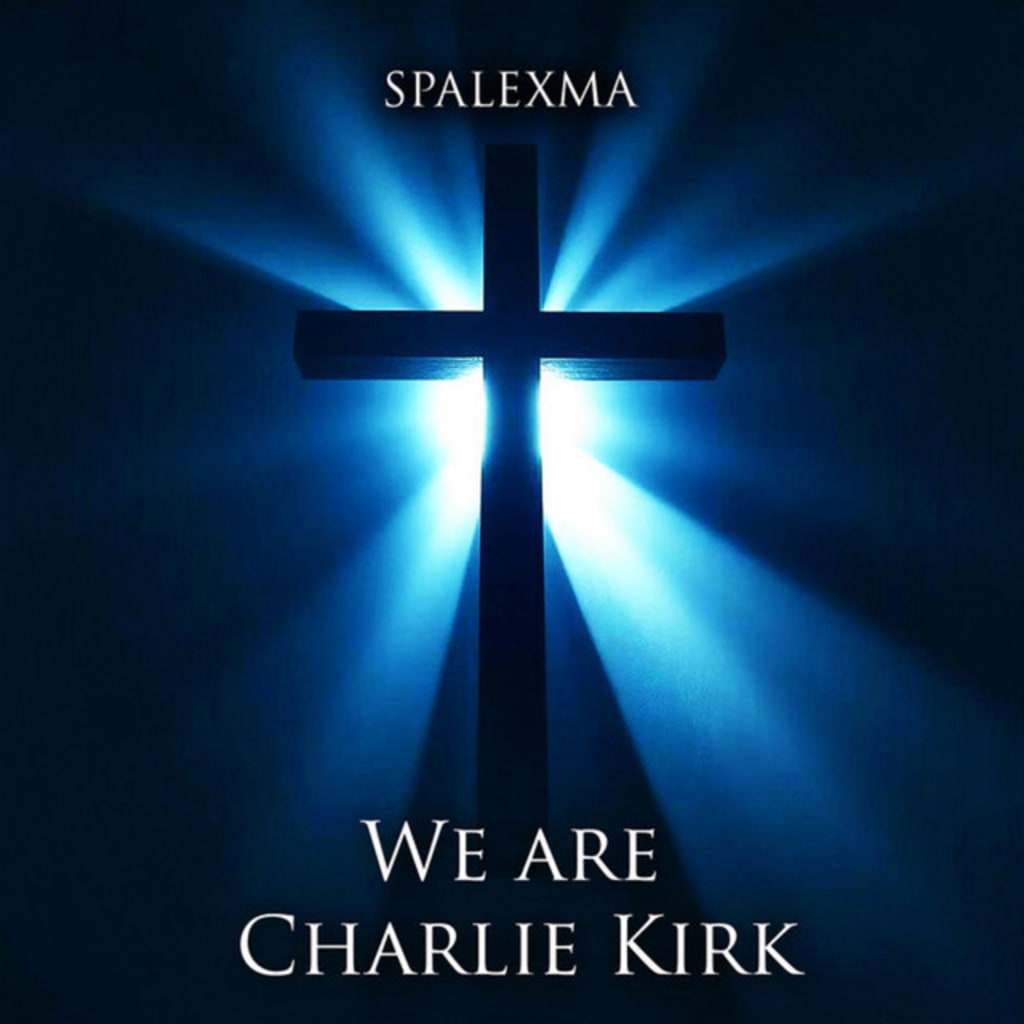
Although people perceive it as slop, figures on streaming platforms such as Spotify and say otherwise. One of the most popular AI songs (as of February 2026), "Livin' on Borrowed Time", has over 20 million streams on Spotify. While many have called the song "AI-driven" and "soulless", ultimately inevitable for a song made by AI, others have praised it for its songwriting and "gritty lyrics". "We Are Charlie Kirk", a presumably AI-generated song, made as a tribute for the late activist Charlie Kirk, gained over 2 million views on the ViVO Tunes channel on YouTube. The song has also placed atop the Viral 50- Global charts on Spotify. While people on TikTok and Instagram make light of Kirk's death, using the audio for its virality, it still proves that it is indeed valid in today's culture.
Ultimately, the problem with AI-generated music offers a major platform for debate. While it may help create a springboard for beginner artists and help with creative blocks, they come at the cost of creating a saturated market where poor quality "AI slop" drowns out work that is genuine and authentic. As we move forward, the industry must decide whether AI should remain as a supportive tool to help humans, or allow it to redefine the fundamental rules of song writing, potentially removing the aspect of "soul" in exchange for ease.
About the Creator
Andric Chan
Professional mosquito breeder
Retired professional pornstar and WWE wrestler
Keep reading
More stories from Andric Chan and writers in Beat and other communities.
It's 2026. Songs Turning 10 This Year
In 2016, we saw the rise of short form videos and what would lead to the birth of TikTok. We cannot forget the Snapchat filters no matter how cringe worthy some of them might have been. It was also the year in which the hit series Stranger Things debuted.
By Jasmine Aguilar5 days ago in Beat
T.I. VS 50 CENT T.I. Fires Back At 50 Cent With Wild Accusations About His Personal Life! (Audio)
Beef, tension, and or drama are like the napalm to the rap game. They burn fiercely and stick to everything. With the current feud between TI and Co and 50 Cent simmering to a boil, it appears as if the two camps may never see eye to eye. The stakes seem too high and the two have gotten personal.
By Skyler Saundersabout 14 hours ago in Beat




Comments
There are no comments for this story
Be the first to respond and start the conversation.