
A Quiet Departure
A Story of Mark Hollis, the Reluctant Genius

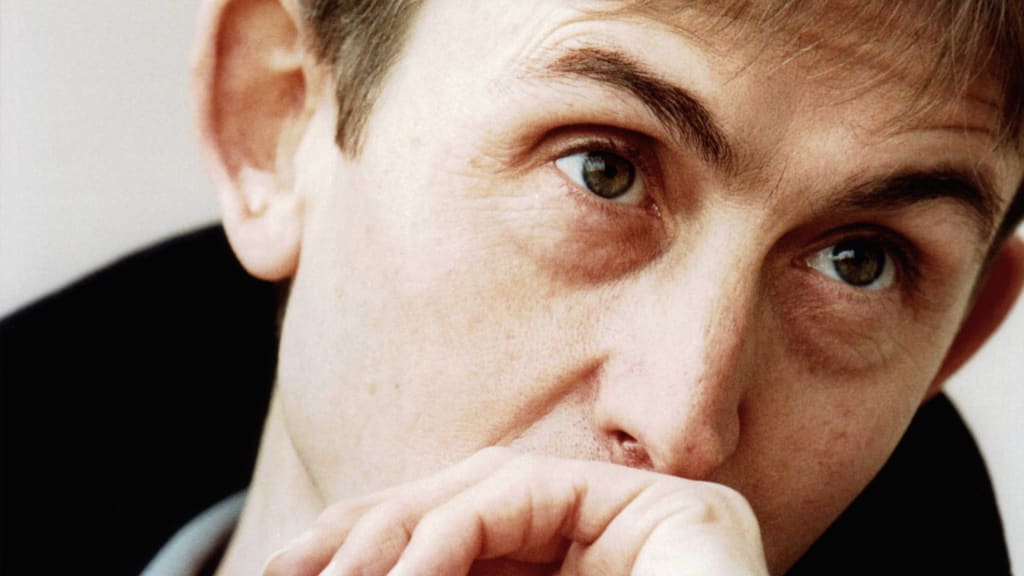
I’m always looking for new music—something a little off the beaten path, something that feels like it came from a real human being instead of a marketing department. That search usually leads me toward artists like Sigur Rós, Nick Drake, Jeff Buckley… people who seem to create from some inner necessity rather than chasing trends. Most of the time, I discover similar musicians just by reading the comments under songs. One day, while drifting through a playlist, I noticed someone mention an artist named Mark Hollis. The way they spoke about him—quietly, almost reverently—made me curious enough to dig deeper.
What I found didn’t feel like the usual story of a musician. Hollis wasn’t someone who tried to win the world over. If anything, he seemed to be quietly reshaping it from the edges. Even in the early Talk Talk days, when the band was being pushed into the synth‑pop spotlight, he carried a kind of inwardness that didn’t match the neon world around him. The labels wanted hits. Hollis wanted honesty. And honesty, for him, meant space, silence, and the courage to follow sound into places that didn’t fit radio formats.
Eventually the industry grew tired of him. They wanted another “It’s My Life.” He wanted something truer. When the labels dismissed him, he didn’t fight or try to reclaim his place. He simply drifted further into his own creative wilderness. Most artists would have been devastated. Hollis seemed relieved. He began approaching music the way a naturalist studies a forest—slowly, patiently, listening for the things most people overlook.
The albums that came out of that period didn’t sound like anything else at the time. They weren’t built on spectacle or volume. They were built on restraint. Every note felt intentional. Every breath mattered. Hollis treated silence as if it were another instrument, shaping the emotional space around the music rather than filling it. Musicians who worked with him often described the sessions as almost spiritual—careful, deliberate, uncompromising.
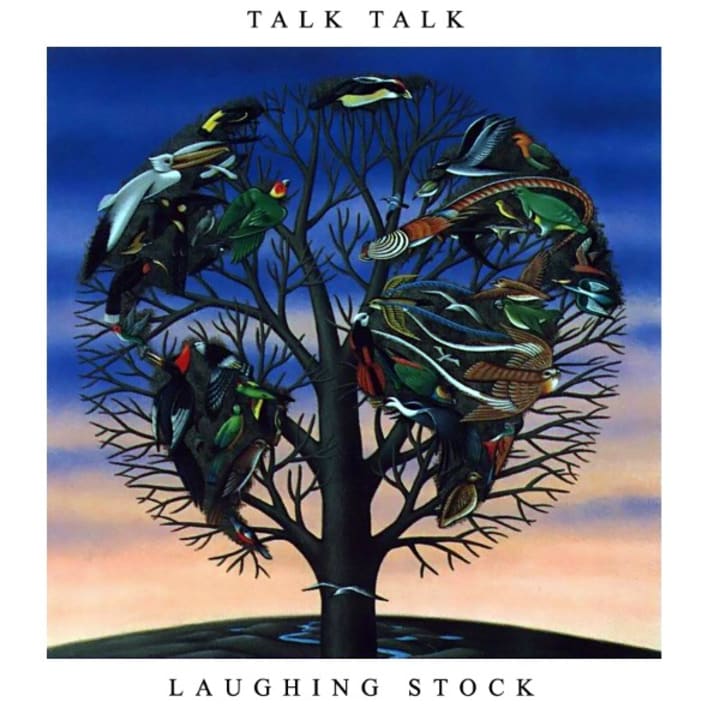
And then, just as he reached a level of artistry that many consider untouchable, he walked away. No farewell tour. No dramatic announcement. No attempt to cash in on his growing cult status. He simply stepped out of the frame and chose family and privacy over the machinery of the music world. His disappearance only deepened the myth, but for many musicians, it confirmed something they already suspected: Hollis wasn’t interested in fame. He was interested in truth.
Among the few recordings he left behind, one piece keeps resurfacing for me: “Watershed.” To understand why it feels so magical, you have to understand how Hollis approached sound. He didn’t write songs in the usual sense—he sculpted them. “Watershed” unfolds slowly, like a landscape emerging from fog. The arrangement is sparse but alive: acoustic textures, tiny shifts in tone, breaths and pauses that feel almost like part of the melody. It’s music that doesn’t demand attention but rewards it deeply.
What makes it mystical isn’t complexity. It’s intention. Hollis had a rare ability to make simplicity feel profound. Every sound in “Watershed” carries emotional weight. The spaces between the notes feel like moments of reflection. The melody moves with the quiet confidence of someone who has nothing left to prove. There’s a sense of transition in the piece—a turning point, a quiet reckoning. Even the title suggests a moment where everything changes.
As the years passed and Hollis remained silent, his influence only grew. Younger artists discovered him and were stunned by the clarity of his work. Producers studied his arrangements like sacred texts. Fans kept returning to the albums, hearing new details each time. And through all of it, Hollis stayed hidden, letting the music speak for him.
In a world obsessed with visibility, he chose invisibility. In an industry built on repetition, he chose evolution. In a culture that rewards noise, he chose silence.
Maybe that’s his real legacy: the reminder that the bravest thing an artist can do is follow their own path, even if it leads them away from the spotlight. Hollis left only a handful of recordings, but in them he captured something timeless—something that still feels like a secret whispered directly to the listener.
A watershed, in every sense.
About the Creator
Music Stories
Ex music executive who discovers artist and writes about music.
Keep reading
More stories from Music Stories and writers in Beat and other communities.
Review of 'Man on the Run'
My wife and I saw Man on the Run, a nearly 2-hour documentary on Amazon Prime, about Wings, Paul McCartney's group that flew around the world from shortly after The Beatles broke up in early 1970 to shortly after John Lennon was murdered at the end of 1980, making a Beatles reunion forever impossible.
By Paul Levinson7 days ago in Beat
Top Rappers in New York City (2026 Update)
New York City is rap’s original laboratory. The birthplace of hip-hop still carries a certain gravity. Trends may explode elsewhere, but when New York co-signs something, it echoes differently. In 2026, the city blends legacy dominance with a new generation that understands both bars and bandwidth.
By RapRadarDigest4 days ago in Beat
📢 Raise Your Voice Thread: 03/05/2026
Our “Raise Your Voice Threads” are hosted most alternating Thursdays at 12PM ET to offer creators more avenues to uncover exceptional stories on Vocal. As we are continuously searching for fresh creators and inspiring stories, this thread provides an opportunity to exchange and discuss the stories that have moved and motivated us on Vocal.
By Raise Your Voice by Vocal2 days ago in Resources




Comments
There are no comments for this story
Be the first to respond and start the conversation.