
Writing Children's Non Fiction Books: A Guide for Modern Authors
A Modern Guide to Children's Non-Fiction Writing
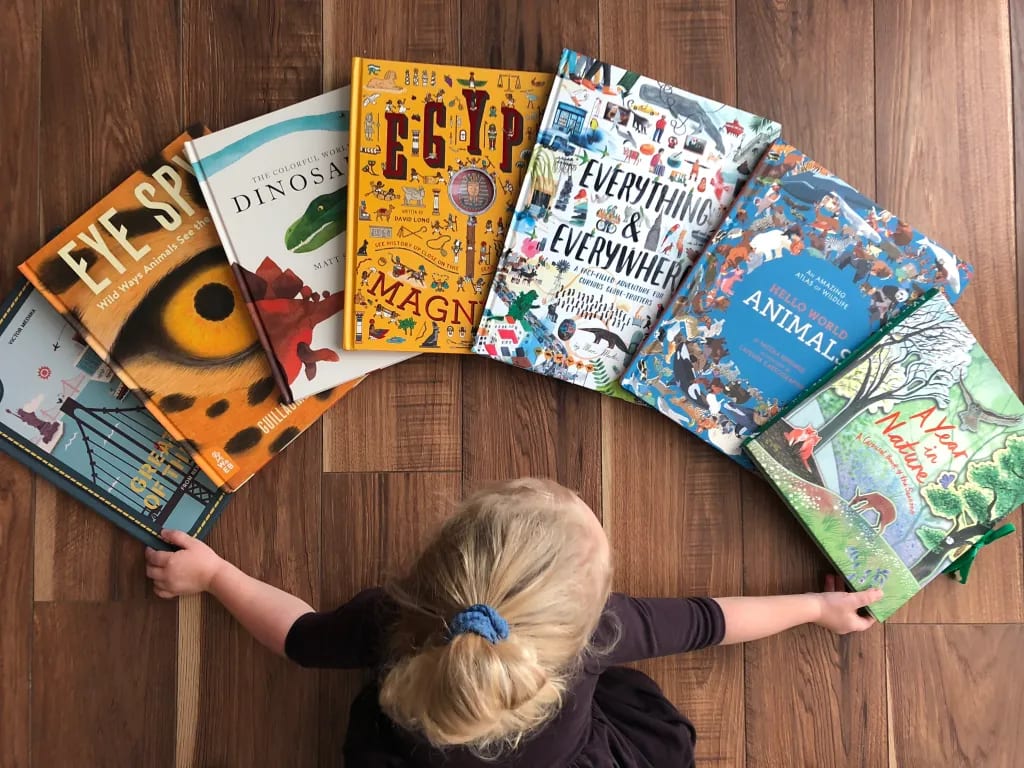
In a world where young minds are hungrier than ever for knowledge, children's non fiction books have become more than just educational tools – they're gateways to wonder and discovery. From dinosaurs to space exploration, today's young readers are diving deep into fascinating subjects. Let's explore how to create compelling non fiction that captures young imaginations.
The Evolution of Children's Non Fiction
Gone are the days of dry, textbook-style children's books. Modern non fiction writing for kids blends entertainment with education, using storytelling techniques to make complex topics accessible and exciting. The best children's non fiction books don't just inform – they inspire curiosity and encourage further exploration.
The market has evolved significantly, with non fiction publishers seeking fresh approaches to traditional subjects. Publishers like Penguin Publication have revolutionized how we present factual content to young readers, making it more engaging and visually appealing than ever before.
Understanding Your Young Audience
Writing for children requires a special touch. Today's young readers are sophisticated consumers of information, expecting content that respects their intelligence while remaining accessible. They want books that answer their questions, spark new ones, and connect with their daily lives.
Research shows that children engage more deeply with non fiction when it relates to their personal experiences and interests. This means authors need to think carefully about their audience's age group, reading level, and typical life experiences when crafting their content.
The Art of Non Fiction Writing for Children
Creating engaging non fiction for young readers is a delicate balance. You need to simplify complex concepts without talking down to your audience. Use clear, active language and concrete examples that children can relate to. Remember, you're not just writing – you're translating the adult world into kid-friendly terms.
Expert non fiction writers often use analogies and metaphors that connect new information to things children already understand. For example, explaining the size of a blue whale by comparing it to school buses makes the information more tangible and memorable.
Working with Non Fiction Publishers
The journey to publication begins with understanding what non fiction publishers are looking for. Major publishers seek manuscripts that fill gaps in the market while meeting current educational standards. Your proposal should demonstrate both the educational value and commercial potential of your work.
Research shows that successful children's non fiction often aligns with school curricula while offering something extra – a unique perspective, innovative presentation, or fresh take on a classic topic. This is particularly true for publishers like Penguin Publication, who look for books that can serve multiple purposes in a child's learning journey.
Crafting Engaging Content Structure
Modern children's non fiction books use various elements to maintain interest. Think sidebars with fun facts, question-and-answer sections, and "did you know" boxes. These features break up the text and provide multiple entry points for readers of different abilities.
Visual elements are crucial in children's non fiction. Illustrations, photographs, diagrams, and infographics don't just decorate – they communicate important information and help visual learners grasp complex concepts.
Research and Accuracy in Non Fiction Writing
When writing non fiction for children, accuracy is paramount. Your young readers trust you to provide correct information, and that trust must be honored. Thorough research, fact-checking, and consultation with subject matter experts are essential steps in the writing process.
Stay current with your research – scientific understanding evolves, historical interpretations change, and new discoveries emerge. Your content should reflect the most up-to-date information available while acknowledging that our understanding continues to grow.
Making Complex Topics Accessible
One of the biggest challenges in children's non fiction writing is making difficult concepts understandable without oversimplifying. Use clear examples, relatable analogies, and step-by-step explanations. Break down complex ideas into digestible chunks that build upon each other.
Remember to include practical applications or hands-on activities when possible. Children learn best when they can actively engage with the material, whether through simple experiments, observations, or creative projects.
The Role of Voice and Tone
Your writing voice matters enormously in children's non fiction. An engaging, conversational tone helps maintain interest and makes the material more approachable. Write as if you're having a fascinating conversation with a curious child, not lecturing from a podium.
Inject personality into your writing while maintaining professionalism. Use humor judiciously – it can help make difficult concepts more palatable and memorable, but shouldn't overshadow the educational content.
Marketing and Promotion Strategies
Even the best children's non fiction books need effective marketing to reach their audience. Build relationships with educators, librarians, and parents who can champion your work. Create supplementary materials like teaching guides or activity sheets that add value to your book.
Social media and author websites can help you connect with your audience and share updates about your work. Many successful authors of children's non fiction books also offer school visits and workshops, creating additional opportunities to engage with young readers.
Future Trends in Children's Non Fiction
The world of children's non fiction continues to evolve. Digital components, interactive elements, and cross-platform content are becoming increasingly important. Stay informed about emerging trends and technologies that could enhance how children engage with non fiction content.
Consider how your work can adapt to these changes while maintaining its core educational value. The best children's non fiction books of tomorrow will likely blend traditional storytelling with innovative presentation methods.
Remember, creating outstanding children's non fiction requires passion, patience, and persistence. Whether you're working with established non fiction publishers or charting your own path, focus on creating content that informs, inspires, and ignites young minds. The future of children's non fiction is bright, and there's always room for fresh voices and new perspectives in this exciting field.
About the Creator
Keep reading
More stories from writers in 01 and other communities.
Why Software Testing Services Need Manual and Load Testing?
In today’s digital-first world, software is expected to work flawlessly from the first click to the millionth user. Whether it’s a customer-facing application, an internal enterprise system, or a cloud-based platform, users have little tolerance for bugs, slow performance, or unexpected crashes. This is why Software Testing Services are no longer a final checklist item—they are a core part of building reliable, scalable products.
By Jane Smith3 days ago in 01
No, Jeff Bezos didn't predict the future of the home PC would see it being swept away into the cloud
If there's one thing that the tech industry really loves to do, it's speculate on the future, especially if someone of note in the sector has made some newsworthy remark. Of late, there seems to be quite a bit of talk about the future of the home PC and that it might end up going the way of the dodo, all because of something Jeff Bezos said.
By Dena Falken Esq5 days ago in 01


Comments
There are no comments for this story
Be the first to respond and start the conversation.